



City Profile
Lake Oswego, Oregon
USA · Comprehensive city data and intelligence
Lake Oswego, Oregon, is a picturesque city situated just eight miles south of Portland, known for its scenic beauty and strong community spirit. The city is built around its namesake, the 405-acre Lake Oswego, which serves as a hub for outdoor activities. The area is characterized by tree-lined streets, well-maintained parks, and a blend of historic Tudor cottages, craftsman bungalows, and newer infill developments. People are drawn to Lake Oswego for its highly-rated public education system, low crime rates, and a lifestyle that balances suburban tranquility with convenient access to urban amenities.
Lake Oswego's distinct neighborhoods offer varied living experiences. Areas like First Addition provide a walkable, small-town feel with cafes and lakefront access, while Mountain Park offers a more classic hillside suburban environment. The city's commitment to preserving its natural beauty and fostering a vibrant community makes it a desirable location for families and individuals seeking a high quality of life in the Pacific Northwest.
Oregon, a state in the Pacific Northwest, is characterized by diverse landscapes ranging from the Pacific coastline to mountains and high desert. Its economy has transitioned from a natural resource base of timber, fishing, and agriculture to a mix of manufacturing, services, and high technology, with key sectors including computer and electronic products, transportation equipment, and machinery. The cost of living in Oregon is generally higher than the national average, particularly for housing. Western Oregon experiences a warm-summer Mediterranean climate with wet winters and dry summers, while Eastern Oregon has a colder, semi-arid climate with hotter summers and colder winters. The lifestyle often emphasizes outdoor recreation and environmental consciousness.
How this 70/100 was calculated five components, with every reading behind them
| Component | Readings used | Points | Weight | Contributes |
|---|---|---|---|---|
| Safety | Safety score: 75 / 100 | 75.0 | 30% | 22.5 |
| Affordability | No usable reading — dataset average used | 75.1 | 25% | 18.8 |
| Economy & jobs | Median household income: $141,549 Income needed to live here: no usable reading Unemployment rate: 5% | 62.5 | 20% | 12.5 |
| Growth | Population growth rate: 0.6% Job growth rate: 2.86% | 58.6 | 15% | 8.8 |
| Business climate assessment | Business climate assessment: 70 / 100 | 70.0 | 10% | 7.0 |
| Overall score | 69.6 | |||
Provenance.
These figures were produced by the research pass recorded as
Gemini (Tier 1 (fast), q=87), last refreshed
10 October 2026.
They are researched estimates drawn from public sources, not a licensed data feed.
Each component is scored against fixed published endpoints, so this number is comparable with any other city and does not move as the dataset grows. Scoring framework 2026.10 — full methodology, weights and accepted ranges.

Featured Events
Happening in Lake Oswego
Featured and sponsored events in Lake Oswego.
Local Directory
Businesses in Lake Oswego
Featured local businesses in Lake Oswego.

Performance
Quality Scores
Expenses
Cost of Living
The cost of living in Lake Oswego is notably higher than both the national and Portland metro averages, reflecting its desirable location, excellent schools, and amenities. Housing is the primary driver of these elevated costs, with median home prices significantly exceeding national figures. While rental supply is generally tight due to the city's ownership-oriented nature, the average rent for apartments is also above the national average.
Despite the higher costs, the city's strong job market and high median household income help to offset some of the financial burden for residents. The cost of living is a significant factor for those considering a move to Lake Oswego, but it is often seen as a trade-off for the quality of life and community benefits the city provides.
Income
Salary Insights
Lake Oswego's economy is closely tied to the broader Portland metropolitan area, with a focus on manufacturing, national and international trade, and service industries. The city itself is primarily residential, with commercial activity concentrated in downtown, the Lake Grove area, and along the Kruse Way office corridor near Interstate 5. Major employment sectors for Lake Oswego residents include Health Care & Social Assistance, Professional, Scientific, & Technical Services, and Manufacturing.
While Oregon's overall economic activity has seen some slowdown, with rising unemployment in the broader state, Lake Oswego's job market remains relatively robust. The city has experienced consistent employment growth, and the presence of a strong professional services sector suggests opportunities for remote work and a diverse range of skilled professions.
The average salary in Lake Oswego is $84,859 per year.
Employment
Top Industries
Weather
Climate
Mobility
Transport
Getting around Lake Oswego primarily involves driving, with most residents driving alone to work and an average commute time of 21.6 minutes. Car ownership is comparable to the national average, with about two cars per household. While the city is car-dependent, efforts are being made to enhance alternative transportation options.
Lake Oswego has been recognized as a bike-friendly community, with well-maintained trails supporting cycling as a viable mode of transport. Public transit options are available, particularly near the transit center and along commercial corridors, though the city's design prioritizes residential areas over widespread public transit access.

At a Glance
Pros & Cons
Advantages
Drawbacks
Head to Head
Compare Lake Oswego
Community Q&A
Questions about Lake Oswego
What people ask about living in and moving to Lake Oswego, Oregon.
FAQ
Frequently Asked Questions
Senior Care in Lake Oswego
26 assisted living, nursing & memory care facilities in Lake Oswego.
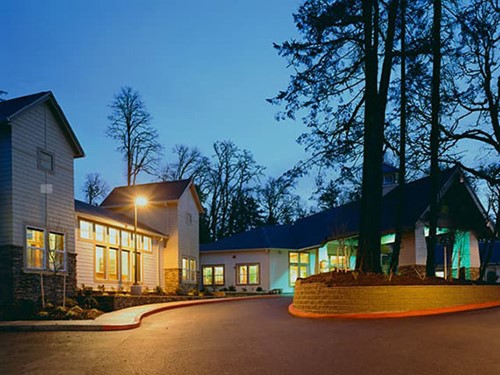 Assisted Living
The Pearl at Kruse Way
Lake Oswego, OR
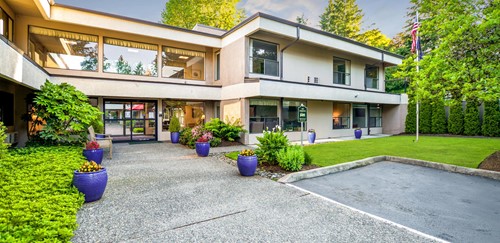 Assisted Living
Greenridge Estates
Lake Oswego, OR
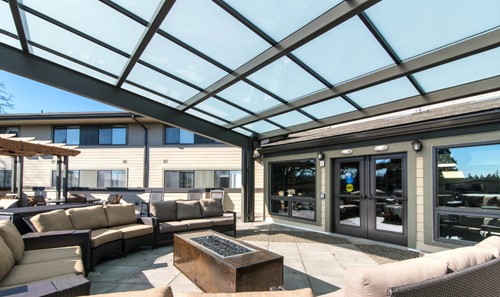 Senior Care
The Springs at Carman Oaks
Lake Oswego, OR
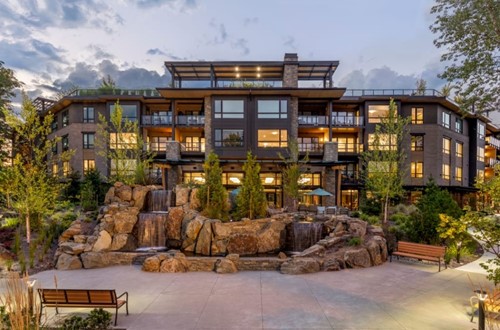 Senior Care
The Springs at Lake Oswego
Lake Oswego, OR
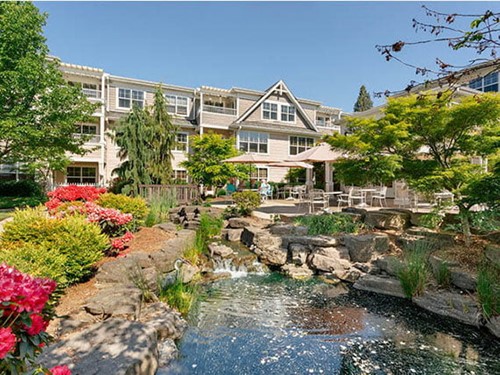 Senior Care
The Stafford
Lake Oswego, OR
Assisted Living
The Pearl at Kruse Way
Lake Oswego, OR
Assisted Living
Greenridge Estates
Lake Oswego, OR
Senior Care
The Springs at Carman Oaks
Lake Oswego, OR
Senior Care
The Springs at Lake Oswego
Lake Oswego, OR
Senior Care
The Stafford
Lake Oswego, OR
Best Family Care
Lake Oswego, OR
Kindred Hospice
Lake Oswego, OR
Free Quotes
Get quotes from local pros in Lake Oswego
Tell us what you need and we’ll pass it to companies that serve your area. It’s free, and there’s no obligation.

Compare Lake Oswego with any city
See how it stacks up on cost, income, and quality of life.
Start Comparing