



City Profile
West Linn, Oregon
USA · Comprehensive city data and intelligence
West Linn, Oregon, is a picturesque city nestled in Clackamas County, situated at the confluence of the Willamette and Tualatin Rivers, approximately 15 miles south of Portland. Known for its natural beauty, including river access, forests, and views of Mount Hood, West Linn offers a peaceful retreat with convenient access to urban amenities. The city is characterized by its strong community feel, highly-rated schools, and a revitalized historic downtown, making it a desirable location for families and professionals seeking a high quality of life. Its appeal is further enhanced by a commitment to preserving its scenic environment and fostering a close-knit community atmosphere.
Founded in 1847, West Linn has grown from a small settlement into a thriving suburban city. It offers a blend of natural landscapes and suburban comfort, with abundant opportunities for outdoor recreation such as kayaking, hiking, and biking along its riverfront trails and parks. The city's strategic location provides residents with easy access to the cultural attractions, employment centers, and dining scenes of nearby Portland, while maintaining its own distinct charm and tranquility. This balance between natural beauty, community engagement, and urban accessibility is a primary draw for those choosing to call West Linn home.
Oregon, a state in the Pacific Northwest, is characterized by diverse landscapes ranging from the Pacific coastline to mountains and high desert. Its economy has transitioned from a natural resource base of timber, fishing, and agriculture to a mix of manufacturing, services, and high technology, with key sectors including computer and electronic products, transportation equipment, and machinery. The cost of living in Oregon is generally higher than the national average, particularly for housing. Western Oregon experiences a warm-summer Mediterranean climate with wet winters and dry summers, while Eastern Oregon has a colder, semi-arid climate with hotter summers and colder winters. The lifestyle often emphasizes outdoor recreation and environmental consciousness.
How this 58/100 was calculated five components, with every reading behind them
| Component | Readings used | Points | Weight | Contributes |
|---|---|---|---|---|
| Safety | Safety score: 95 / 100 | 95.0 | 30% | 28.5 |
| Affordability | Cost of living index (100 = national baseline): 135.0 | 0.0 | 25% | 0.0 |
| Economy & jobs | Median household income: $146,507 Income needed to live here: $66,840 Unemployment rate: 5% | 81.3 | 20% | 16.3 |
| Growth | Population growth rate: 0.09% Job growth rate: 1.5% | 38.6 | 15% | 5.8 |
| Business climate assessment | Business climate assessment: 70 / 100 | 70.0 | 10% | 7.0 |
| Overall score | 57.5 | |||
Provenance.
These figures were produced by the research pass recorded as
Tier 2 (reasoned) (q=62, partial — below threshold), last refreshed
10 September 2026.
They are researched estimates drawn from public sources, not a licensed data feed.
Each component is scored against fixed published endpoints, so this number is comparable with any other city and does not move as the dataset grows. Scoring framework 2026.10 — full methodology, weights and accepted ranges.

Featured Events
Happening in West Linn
Featured and sponsored events in West Linn.
Local Directory
Businesses in West Linn
Featured local businesses in West Linn.

Performance
Quality Scores
Expenses
Cost of Living
West Linn presents a cost of living that is notably higher than the national average, largely driven by its real estate market and transportation expenses. The city is ranked among the most expensive in Oregon, with overall living costs estimated to be around 25% above the U.S. average [39]. Housing expenses, in particular, are significantly higher, with median home prices and rents substantially exceeding national figures [37, 39]. Transportation costs also contribute to the elevated expenses, as West Linn is a car-dependent community where most errands require a vehicle, leading to higher costs for gas and potentially vehicle maintenance [33, 39].
Despite these higher costs, certain expenses in West Linn are more aligned with or even below the national average, offering some relief. Utility prices are generally lower than the national average, estimated to be around 13% cheaper [39]. Oregon's lack of a state sales tax also provides savings on everyday purchases compared to states with sales tax. While the overall cost of living is high, the city's desirable amenities, strong job market, and high quality of life contribute to its appeal for residents willing to invest in this premium lifestyle.
Income
Salary Insights
West Linn boasts a robust job market characterized by higher-than-average incomes, reflecting its strong economic standing within the Portland metropolitan area [4]. The city's economy is supported by a highly educated population, with a significant percentage holding bachelor's degrees or higher, indicating a workforce geared towards professional, scientific, and technical services, as well as healthcare and management roles [5, 23]. Proximity to Portland provides residents with access to a broader range of employment opportunities and major employers in sectors like technology, healthcare, and manufacturing.
The local economy also benefits from a vibrant downtown area featuring unique shops and restaurants, contributing to the service and retail sectors. While specific industry employment percentages are not readily available, the high median household income and the presence of healthcare facilities like the West Linn VA Clinic and Holy Family Catholic Clinic suggest that healthcare and social assistance are significant employment sectors. The city's economic resilience is further bolstered by its desirable location and the consistent demand for housing, which supports the real estate and construction industries.
The average salary in West Linn is $47,242 per year. You would need approximately $66,840 to live comfortably.
Employment
Top Industries
Weather
Climate
Mobility
Transport
Transportation in West Linn is predominantly car-centric, with most residents relying on personal vehicles for daily errands and commutes. The city has a low Walk Score of 34 and a Transit Score of 21, indicating limited public transportation options and a need for a car for most activities [6, 7]. The average commute time for residents is approximately 24.3 minutes, with most people driving alone to work [3].
While public transit is minimal, there are a few bus lines serving the area, such as the 153 Stafford/Salamo and 76 Hall/Greenburg routes [6]. The city is working to improve its transportation infrastructure, with ongoing efforts to enhance walkability in specific neighborhoods like the Willamette Historic District and to expand multi-use trails and bike lanes [4]. Despite its car dependency, West Linn's road network is well-maintained, with 107 miles of city-maintained roads [26].

At a Glance
Pros & Cons
Advantages
Drawbacks
Head to Head
Compare West Linn
Community Q&A
Questions about West Linn
What people ask about living in and moving to West Linn, Oregon.
How are the public schools rated in West Linn?
West Linn is served by a public school district that consistently ranks above state averages in academic performance and graduation rates. The district offers elementary, middle, and high schools, as well as special programs for gifted students and those needing additional support. For the most current performance data, visit the state’s department of education website or the district’s own site, where report cards,...
How does the cost of living in West Linn compare to the national average?
West Linn’s cost‑of‑living index is 135, meaning it is about 35 % higher than the national average of 100. This reflects higher housing costs, transportation, and everyday expenses. While salaries are also higher than many parts of the country, the average annual salary in West Linn is $47,242, which may not fully offset the increased costs for everyone. To gauge your personal budget, compare your current expenses to...
What kinds of jobs are most common in West Linn?
West Linn’s economy includes a mix of professional services, education, healthcare, and light manufacturing, with many residents commuting to nearby larger cities for tech and corporate roles. The city’s proximity to a major metropolitan area provides access to a broader job market, while local employers often seek staff in education, public safety, and small‑business retail. To explore openings, use regional job boa...
Is West Linn considered a safe place to live?
West Linn receives a safety score of 95.0 out of 100, indicating a very low crime rate compared with national averages. The city benefits from active community policing, neighborhood watch programs, and well‑maintained public spaces. For detailed crime statistics, you can consult the city’s public safety reports or the state’s crime data portal, which break down incidents by type and neighborhood.
What public transportation options are available in West Linn?
West Linn is served by the regional transit authority, which operates bus routes connecting the city to neighboring urban centers and major employment hubs. There are also commuter rail stations a short drive away, and the city maintains bike lanes and pedestrian pathways for local travel. For schedules, fare information, and route maps, check the transit authority’s website or the city’s transportation page, which a...
Where can I find primary care doctors and hospitals near West Linn?
West Linn residents have access to several primary‑care clinics and urgent‑care centers within the city limits, as well as larger hospitals in the nearby metropolitan area. The city’s health department website provides a directory of licensed providers, and the state medical board’s online tool lets you verify credentials and locate specialists. Insurance networks often list participating providers, so reviewing your...
What outdoor activities are popular in West Linn?
West Linn is known for its extensive trail system, river access, and parks that support hiking, biking, kayaking, and fishing. The city maintains several trailheads that connect to regional networks, and the nearby river offers boat launches and fishing spots. For specific trail maps, event calendars, and permit information, consult the city’s parks and recreation department website, which also lists seasonal program...
What should I know about utilities and services when moving to West Linn?
When you move to West Linn, you’ll need to set up electricity, natural gas, water, and waste services. The city’s utility providers are listed on the municipal website, which also offers online account setup and billing options. Internet and cable services are provided by regional carriers; you can compare plans on their websites. Don’t forget to register your vehicle and update your address with the state’s DMV, and...
How does West Linn’s climate affect everyday life?
West Linn experiences a temperate climate with mild, wet winters and warm, dry summers. Rainfall is most common from late fall through early spring, so residents keep rain gear and waterproof footwear handy. Summer temperatures are comfortable, often ranging from the mid‑70s to low 80s °F, making outdoor activities popular. Seasonal changes also affect heating and cooling costs, so budgeting for higher utility usage...
What is the typical rent for a one‑bedroom apartment in West Linn?
The average rent in West Linn is $2,300 per month across all unit sizes. One‑bedroom apartments generally fall near that average, though exact prices depend on location, age of the building, and amenities. When searching, check online rental listings, local property management companies, and the city’s housing resources for up‑to‑date vacancy information. Be prepared to provide proof of income, a credit check, and a...
Some answers here were drafted as a starting point and may be out of date. Live in West Linn? Add your own.
FAQ
Frequently Asked Questions
Senior Care in West Linn
30 assisted living, nursing & memory care facilities in West Linn.
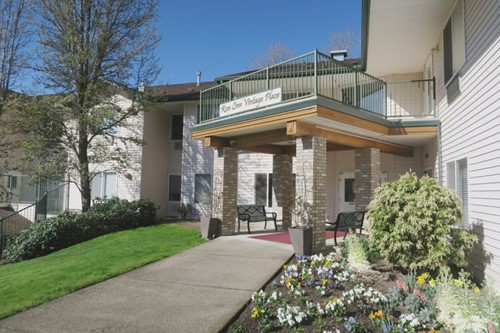 Assisted Living
Rose Linn Care Center
West Linn, OR
Assisted Living
Rose Linn Care Center
West Linn, OR
Campan Senior Care Home
West Linn, OR
Suncrest ACH 2
West Linn, OR
Suncrest ACH
West Linn, OR
ComForCare - Portland South/East
West Linn, OR
Rose City Adult Care
West Linn, OR
Ardelean's Elderly Care Home
West Linn, OR
Park Ridge ACH
West Linn, OR
Willamette Falls ACH
West Linn, OR
NW Senior Care
West Linn, OR
Tanner Spring Assisted Living
West Linn, OR
City Guide
Explore West Linn
Free Quotes
Get quotes from local pros in West Linn
Tell us what you need and we’ll pass it to companies that serve your area. It’s free, and there’s no obligation.

Compare West Linn with any city
See how it stacks up on cost, income, and quality of life.
Start Comparing