



City Profile
Philadelphia, Pennsylvania
USA · Comprehensive city data and intelligence
Philadelphia is the nation's sixth-most populous city and serves as the historic, cultural, and economic heartbeat of the Delaware Valley. Steeped in American history as the birthplace of independence, the city seamlessly blends colonial landmarks like Independence Hall with a gritty, dynamic modern character. Today, people are drawn to Philadelphia for its vibrant neighborhoods, world-class culinary scene, rich arts culture, and relative affordability compared to other major East Coast metropolises.
Pennsylvania offers a diverse character, blending vibrant urban centers like Philadelphia and Pittsburgh with picturesque rural landscapes and historical charm. The state boasts a robust and varied economy, with major industries including healthcare, advanced manufacturing, real estate, financial services, and tourism, alongside significant contributions from agriculture, chemical manufacturing, and energy production. Living in Pennsylvania generally provides a high quality of life with a cost of living that is slightly below the national average, though expenses can vary significantly between urban and rural areas. The climate is primarily humid continental, featuring four distinct seasons with warm, often humid summers and cold, snowy winters, while the southeastern region experiences a slightly warmer, humid subtropical climate.
How this 52/100 was calculated five components, with every reading behind them
| Component | Readings used | Points | Weight | Contributes |
|---|---|---|---|---|
| Safety | Safety score: 62 / 100 | 62.0 | 30% | 18.6 |
| Affordability | Cost of living index (100 = national baseline): 102.0 | 41.3 | 25% | 10.3 |
| Economy & jobs | Median household income: $61,953 Income needed to live here: $58,000 Unemployment rate: 4.9% | 48.6 | 20% | 9.7 |
| Growth | Population growth rate: 0.1% Job growth rate: 1.8% | 41.8 | 15% | 6.3 |
| Business climate assessment | Business climate assessment: 70 / 100 | 70.0 | 10% | 7.0 |
| Overall score | 51.9 | |||
Provenance.
These figures were produced by the research pass recorded as
Gemini (Tier 2 (reasoned), q=77), last refreshed
11 October 2026.
They are researched estimates drawn from public sources, not a licensed data feed.
Each component is scored against fixed published endpoints, so this number is comparable with any other city and does not move as the dataset grows. Scoring framework 2026.10 — full methodology, weights and accepted ranges.

Featured Events
Happening in Philadelphia
Featured and sponsored events in Philadelphia.
Local Directory
Businesses in Philadelphia
Featured local businesses in Philadelphia.

Performance
Quality Scores
Expenses
Cost of Living
The cost of living in Philadelphia generally runs slightly above the national average, heavily influenced by local taxes and urban housing demand. While everyday expenses such as groceries and utilities remain manageable, property and municipal tax structures can drive up overall monthly expenditures for residents. However, compared to northern neighbors like New York City or Boston, Philadelphia offers significantly more breathing room for renters and prospective home buyers.
Income
Salary Insights
Philadelphia's economy is anchored by its robust 'Eds and Meds' sector, driven by globally recognized universities and world-class healthcare systems. Major employers like the University of Pennsylvania, Thomas Jefferson University, and the Children's Hospital of Philadelphia provide deep economic stability and continuous innovation. Furthermore, the region has blossomed into a premier hub for life sciences and biotechnology—frequently dubbed 'Cellicon Valley'—alongside a growing footprint in financial services and tech startups.
The average salary in Philadelphia is $72,000 per year. You would need approximately $58,000 to live comfortably.
Employment
Top Industries
Weather
Climate
Mobility
Transport
Getting around Philadelphia is remarkably convenient thanks to an extensive public transit network operated by SEPTA, encompassing subways, regional rail, and trolleys. The city boasts strong walkability and bikeability scores, especially within Center City and contiguous historic neighborhoods, reducing heavy reliance on personal vehicles. Major highways and 30th Street Station also provide effortless Amtrak and regional connectivity up and down the Northeast Corridor.

At a Glance
Pros & Cons
Advantages
Drawbacks
Head to Head
Compare Philadelphia
Community Q&A
Questions about Philadelphia
What people ask about living in and moving to Philadelphia, Pennsylvania.
How does the cost of living in Philadelphia compare to other major East Coast cities?
Philadelphia’s overall cost of living is generally lower than cities such as New York, Washington, D.C., and Boston, especially when it comes to rent and everyday expenses. Housing costs tend to be more affordable, while grocery prices and utilities are close to the national average. State and local taxes are comparable to other Northeastern states, with a combined income tax rate that is higher than some states but...
How do public schools in Philadelphia rank compared to private options?
Public schools in Philadelphia vary widely in performance, with some schools receiving high ratings for academic achievement and extracurricular programs, while others face challenges. Private schools often have smaller class sizes and more resources, which can translate to higher test scores and college‑prep focus. To compare, review the city’s school district report cards, which provide data on graduation rates, te...
What neighborhoods are best for first‑time renters in Philadelphia?
First‑time renters often gravitate toward neighborhoods that offer a mix of safety, walkability, and easy access to the city’s transit network. Areas close to the university district, the historic core, and the riverfront tend to have a variety of apartment options and vibrant street life. Look for neighborhoods with a high concentration of rental listings, active community groups, and nearby grocery stores and parks...
Which industries are hiring the most in Philadelphia right now?
Philadelphia’s economy is anchored by healthcare, education, and technology, all of which consistently post strong hiring numbers. The city’s large medical and research institutions drive demand for clinical, administrative, and biotech roles. At the same time, a growing tech corridor attracts software developers, data analysts, and cybersecurity professionals. In addition, the financial services sector and governmen...
Which parts of Philadelphia are considered the safest for families?
Safety levels differ across the city, with many families preferring neighborhoods that report lower violent‑crime incidents and have active community‑watch programs. Typically, areas with a strong residential presence, well‑maintained public spaces, and visible police patrols are viewed as safer. The city publishes crime statistics broken down by precinct, which can be filtered to see trends over time. Additionally,...
What are the main public‑transit options for getting around Philadelphia?
Philadelphia’s public‑transit system includes a subway‑elevated network, a regional rail network that reaches suburbs, and an extensive bus fleet covering the city and surrounding counties. The transit authority also operates a bike‑share program and has been expanding protected bike lanes throughout the urban core. For real‑time schedules, fare information, and trip planning, consult the city’s transit authority web...
Where can I find affordable primary‑care doctors in Philadelphia?
The city hosts a large network of primary‑care practices, community health centers, and teaching hospital outpatient clinics that accept most major insurance plans. Many of these facilities are located near transit hubs, making them accessible by subway, bus, or regional rail. To locate providers, use the insurance carrier’s provider directory, which lets you filter by specialty, location, and language services. The...
How do I register to vote after moving to Philadelphia?
To register to vote in Philadelphia, you must provide proof of residency, such as a utility bill or lease agreement, and meet the state’s citizenship and age requirements. Registration can be completed online through the state’s voter portal, by mail using a printable form, or in person at a city office that handles elections. The city’s elections division website lists the deadlines for each election cycle, required...
What are the must‑see cultural attractions for a new resident?
Philadelphia is rich in cultural venues, ranging from world‑class museums and historic landmarks to vibrant outdoor festivals throughout the year. The city’s museum district houses several major institutions covering art, science, and American history. Historic sites related to the nation’s founding are concentrated in the Old City area, where walking tours are popular. In the summer, numerous parks host free concert...
What should I know about parking regulations when moving into a city apartment?
Parking in Philadelphia is regulated by a combination of street‑side meters, residential permit zones, and private lot rules. Most neighborhoods have designated parking signs that indicate time limits, permit requirements, and street‑cleaning schedules. Before moving in, verify whether the building provides a reserved spot or a lease‑on‑parking agreement. The city’s parking authority website offers an interactive map...
Some answers here were drafted as a starting point and may be out of date. Live in Philadelphia? Add your own.
FAQ
Frequently Asked Questions
Businesses for Sale in Philadelphia
Explore active acquisition & franchise opportunities .

Senior Care in Philadelphia
323 assisted living, nursing & memory care facilities in Philadelphia.
 Senior Care
Redeemer Health
Philadelphia, PA
 Senior Care
Deer Meadows Retirement Community
Philadelphia, PA
 Senior Care
Cliveden Nursing & Rehabilitation Center - Bedrock Care
Philadelphia, PA
 Senior Care
Adult Day at Walnut Park
Philadelphia, PA
 Senior Care
VITAS Inpatient Hospice Unit
Philadelphia, PA
 Senior Care
Active Day of Center City
Philadelphia, PA
 Assisted Living
Kearsley Rehabilitation And Nursing Center
Philadelphia, PA
 Assisted Living
Promedica Total Rehab + (Philadelphia)
Philadelphia, PA
 Assisted Living
Simpson House Inc
Philadelphia, PA
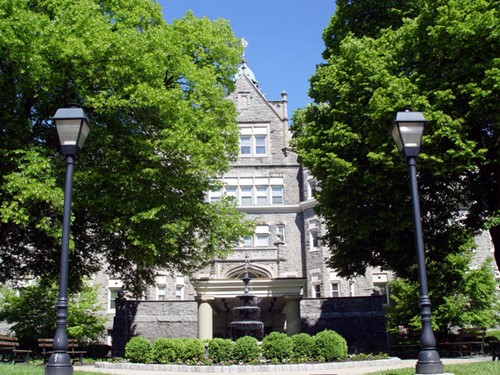 Assisted Living
Simpson House
Philadelphia, PA
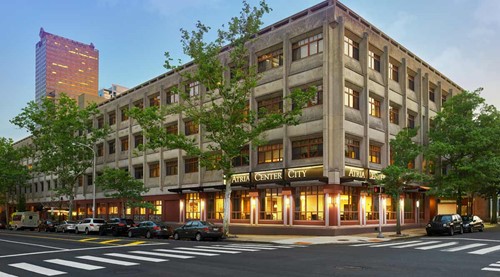 Assisted Living
Atria Center City
Philadelphia, PA
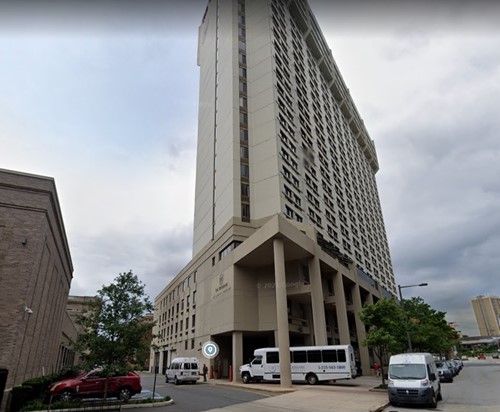 Senior Care
Fountain View at Logan Square
Philadelphia, PA
City Guide
Explore Philadelphia
Free Quotes
Get quotes from local pros in Philadelphia
Tell us what you need and we’ll pass it to companies that serve your area. It’s free, and there’s no obligation.

Compare Philadelphia with any city
See how it stacks up on cost, income, and quality of life.
Start Comparing