



City Profile
North Providence, Rhode Island
USA · Comprehensive city data and intelligence
North Providence, Rhode Island, is a densely populated town located in Providence County, offering a distinct blend of suburban comfort and close urban proximity. Established in 1765 and historically rooted in early American manufacturing and textile mills, the town has evolved into a vibrant residential community. People frequently move here to enjoy quiet neighborhoods and local green spaces while remaining just minutes away from downtown Providence.
Rhode Island, the smallest U.S. state, offers a coastal New England lifestyle with a strong sense of community. Its economy is diverse, with major industries including healthcare and social assistance, manufacturing, education, professional and technical services, finance and insurance, and tourism and hospitality. Living in Rhode Island is generally more expensive than the national average, particularly due to higher housing and utility costs, though groceries and healthcare are more in line with national averages. The state experiences a New England climate with cold, snowy winters and warm summers, and its small size means beaches and urban amenities are usually a short drive away.
How this 59/100 was calculated five components, with every reading behind them
| Component | Readings used | Points | Weight | Contributes |
|---|---|---|---|---|
| Safety | Safety score: 74 / 100 | 74.0 | 30% | 22.2 |
| Affordability | Cost of living index (100 = national baseline): 102.0 | 41.3 | 25% | 10.3 |
| Economy & jobs | Median household income: $76,500 Income needed to live here: $58,000 Unemployment rate: 4.2% | 68.7 | 20% | 13.7 |
| Growth | Population growth rate: 0.4% Job growth rate: 1.5% | 42.5 | 15% | 6.4 |
| Business climate assessment | Business climate assessment: 67 / 100 | 67.0 | 10% | 6.7 |
| Overall score | 59.3 | |||
Provenance.
These figures were produced by the research pass recorded as
Gemini (ungrounded) (q=54, partial — below threshold), last refreshed
16 October 2026.
They are researched estimates drawn from public sources, not a licensed data feed.
Each component is scored against fixed published endpoints, so this number is comparable with any other city and does not move as the dataset grows. Scoring framework 2026.10 — full methodology, weights and accepted ranges.

Featured Events
Happening in North Providence
Featured and sponsored events in North Providence.
Local Directory
Businesses in North Providence
Featured local businesses in North Providence.

Performance
Quality Scores
Expenses
Cost of Living
The cost of living in North Providence is slightly above the national average, driven largely by regional housing demand and property taxes across Rhode Island. While everyday expenses like groceries, transportation, and utilities align reasonably close to national norms, competitive real estate markets push overall living costs higher. Residents generally find that the town offers a more cost-effective alternative to downtown Boston or Providence while maintaining access to similar amenities.
Income
Salary Insights
The local economy is heavily anchored by healthcare, education, retail trade, and local government services, leveraging its strategic position within the Providence metropolitan area. Major regional employers, including Our Lady of Fatima Hospital and local municipal services, provide steady employment opportunities for the workforce. Additionally, many residents participate in a robust commuter culture, working in professional sectors across Providence and greater New England.
The average salary in North Providence is $68,000 per year. You would need approximately $58,000 to live comfortably.
Employment
Top Industries
Weather
Climate
Mobility
Transport
Getting around North Providence relies primarily on personal vehicles, though the town is also serviced by Rhode Island Public Transit Authority (RIPTA) bus routes connecting to Providence. The municipal layout provides efficient access to major regional corridors such as Route 15 and Interstate 95 for broader New England commuting. While car dependency remains medium-to-high, central commercial zones offer manageable pedestrian accessibility.

At a Glance
Pros & Cons
Advantages
Drawbacks
Head to Head
Compare North Providence
Community Q&A
Questions about North Providence
What people ask about living in and moving to North Providence, Rhode Island.
FAQ
Frequently Asked Questions
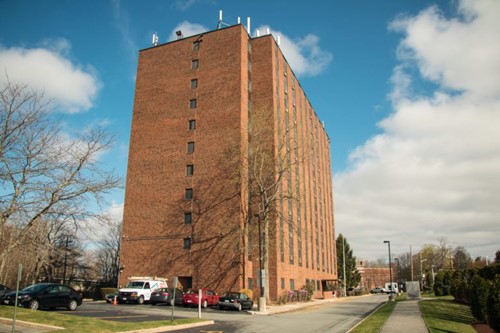
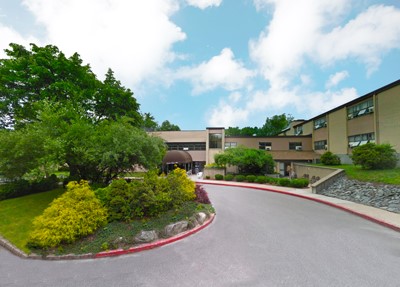
Senior Care in North Providence
4 assisted living, nursing & memory care facilities in North Providence.
Free Quotes
Get quotes from local pros in North Providence
Tell us what you need and we’ll pass it to companies that serve your area. It’s free, and there’s no obligation.

Compare North Providence with any city
See how it stacks up on cost, income, and quality of life.
Start Comparing