



City Profile
Smithfield, Rhode Island
USA · Comprehensive city data and intelligence
Smithfield is a historic town located in Providence County, Rhode Island, originally incorporated in 1730/31. Known for its blend of suburban convenience, rural charm, and academic presence, the town hosts Bryant University, which anchors much of its modern identity. Residents are drawn to Smithfield for its peaceful neighborhoods, excellent school systems, and preservation of open green spaces while maintaining close proximity to downtown Providence.
Rhode Island, the smallest U.S. state, offers a coastal New England lifestyle with a strong sense of community. Its economy is diverse, with major industries including healthcare and social assistance, manufacturing, education, professional and technical services, finance and insurance, and tourism and hospitality. Living in Rhode Island is generally more expensive than the national average, particularly due to higher housing and utility costs, though groceries and healthcare are more in line with national averages. The state experiences a New England climate with cold, snowy winters and warm summers, and its small size means beaches and urban amenities are usually a short drive away.
How this 65/100 was calculated five components, with every reading behind them
| Component | Readings used | Points | Weight | Contributes |
|---|---|---|---|---|
| Safety | Safety score: 85 / 100 | 85.0 | 30% | 25.5 |
| Affordability | Cost of living index (100 = national baseline): 108.0 | 33.8 | 25% | 8.4 |
| Economy & jobs | Median household income: $105,400 Income needed to live here: $62,000 Unemployment rate: 3.8% | 88.8 | 20% | 17.8 |
| Growth | Population growth rate: 0.4% Job growth rate: 1.5% | 42.5 | 15% | 6.4 |
| Business climate assessment | Business climate assessment: 70 / 100 | 70.0 | 10% | 7.0 |
| Overall score | 65.1 | |||
Provenance.
These figures were produced by the research pass recorded as
Tier 3 (deep think) (q=54, partial — below threshold), last refreshed
17 October 2026.
They are researched estimates drawn from public sources, not a licensed data feed.
Each component is scored against fixed published endpoints, so this number is comparable with any other city and does not move as the dataset grows. Scoring framework 2026.10 — full methodology, weights and accepted ranges.

Featured Events
Happening in Smithfield
Featured and sponsored events in Smithfield.
Local Directory
Businesses in Smithfield
Featured local businesses in Smithfield.

Performance
Quality Scores
Expenses
Cost of Living
The cost of living in Smithfield sits slightly above the national average, primarily driven by housing costs and regional New England utility expenses. While everyday goods and groceries align closely with broader state and national trends, the competitive suburban real estate market elevates overall baseline expenses for households. Property taxes and home valuations reflect the desirable school districts and low crime rates that characterize the municipality.
Income
Salary Insights
Smithfield's local economy benefits from a diversified base anchored by higher education, healthcare services, manufacturing, and retail trade. Bryant University serves as one of the largest employers in the area, contributing significantly to professional and administrative employment opportunities. Additionally, the town's strategic location along major thoroughfares allows many residents to easily commute to greater Providence and Boston for specialized corporate and tech roles.
The average salary in Smithfield is $76,000 per year. You would need approximately $62,000 to live comfortably.
Employment
Top Industries
Weather
Climate
Mobility
Transport
Smithfield is a predominantly car-dependent community where the majority of residents rely on personal vehicles for daily commuting and errands. Major routes like Route 44 and I-295 intersect the town, facilitating travel throughout Rhode Island and into nearby Massachusetts. Public transit options are limited primarily to select RIPTA bus routes connecting to Providence, making walkability low outside of specific village centers.

At a Glance
Pros & Cons
Advantages
Drawbacks
Head to Head
Compare Smithfield
Community Q&A
Questions about Smithfield
What people ask about living in and moving to Smithfield, Rhode Island.
What public transit options are available for commuting from Smithfield?
Smithfield is served by regional bus routes that connect to Providence and surrounding cities. The local transit authority offers scheduled services during peak hours, and there are also commuter shuttles for nearby employment centers. Check the transit authority’s timetable online or contact their customer service for route maps and fare information.
Where can I find medical care and emergency services in Smithfield?
Smithfield hosts a community health clinic that provides primary care, along with several urgent‑care centers within a short drive. For specialized services, patients typically travel to larger hospitals in neighboring towns. The state health department’s directory lists all licensed providers and their specialties in the area.
What should I know about moving into Smithfield?
When moving to Smithfield, plan for utility setup, local registration, and vehicle registration with the state’s motor vehicle office. It’s helpful to schedule a home inspection before closing on a property. Local moving companies can provide quotes, and the town’s website offers resources on waste disposal, recycling, and community services for new residents.
How does Smithfield compare to nearby towns in terms of living costs?
Smithfield’s cost of living is generally moderate, with housing and groceries slightly below the Rhode Island average. The town’s small‑town feel keeps local services affordable, but some specialty goods may be pricier due to limited local supply. For a detailed comparison, check recent state cost‑of‑living reports or local real‑estate listings that break down average rent and purchase prices in the area.
What is the typical home price for a single‑family house in Smithfield?
Single‑family homes in Smithfield usually range from mid‑$200,000s to low‑$400,000s, depending on size, age, and lot. Older homes with historic charm tend to be on the lower end, while newer developments or larger lots can push toward the upper range. Browse local real‑estate sites or contact a local broker for current listings and price trends.
What industries are most common for employment in Smithfield?
Smithfield’s economy includes manufacturing, logistics, and light industrial sectors, largely due to its proximity to major highways and rail lines. Additionally, the town supports small businesses and retail services. For specific openings, consult regional job boards or the local chamber of commerce, which often aggregates listings from nearby employers.
Are the public schools in Smithfield well‑rated?
Smithfield’s public schools are part of a regional district that generally receives solid ratings for academic performance and student support. The district emphasizes STEM programs and extracurricular activities. Check the state education department’s report cards or the district’s website for recent performance data and school‑specific reviews.
Is Smithfield a safe place for families?
Smithfield maintains a lower crime rate than the state average, with most incidents being non‑violent. The community has active neighborhood watch programs and a responsive local police presence. For current statistics, review the state’s public safety reports or local law‑enforcement press releases.
What recreational activities are popular in Smithfield?
Smithfield offers a mix of outdoor recreation, including hiking trails, parks, and seasonal farmers’ markets. The town hosts annual festivals that celebrate local culture and produce. Community centers often run sports leagues and arts programs. Look up the town’s event calendar or local community bulletin for upcoming activities.
What is the overall vibe of living in Smithfield?
Smithfield offers a quiet, small‑town atmosphere with a strong sense of community. Residents often participate in local events, volunteer groups, and neighborhood gatherings. The town balances historic charm with modern conveniences, making it appealing for families and retirees alike. Visiting the town’s public spaces and speaking with locals can give a clear sense of the everyday lifestyle.
Some answers here were drafted as a starting point and may be out of date. Live in Smithfield? Add your own.
FAQ
Frequently Asked Questions
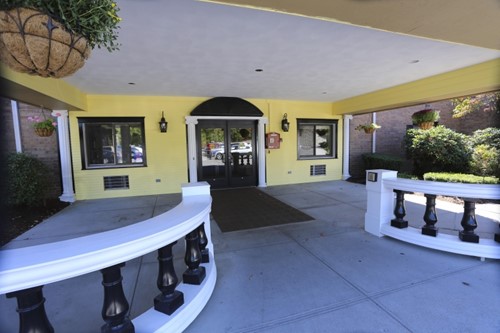
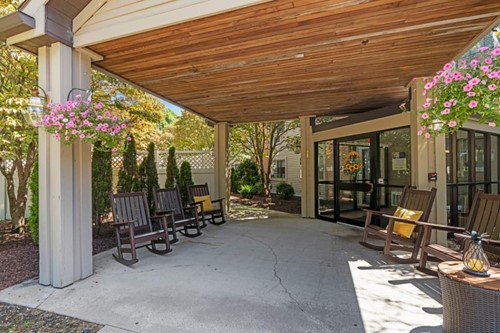
Senior Care in Smithfield
4 assisted living, nursing & memory care facilities in Smithfield.
City Guide
Explore Smithfield
Free Quotes
Get quotes from local pros in Smithfield
Tell us what you need and we’ll pass it to companies that serve your area. It’s free, and there’s no obligation.

Compare Smithfield with any city
See how it stacks up on cost, income, and quality of life.
Start Comparing