



City Profile
Fort Worth, Texas
USA · Comprehensive city data and intelligence
Fort Worth, Texas, often called "Cowtown" or "Where the West Begins," is a vibrant city that beautifully blends its rich Western heritage with a modern, thriving urban environment. Founded in 1849 as an army outpost, it quickly grew into a major center for the cattle industry, a legacy still celebrated today in the historic Stockyards National Historic District. The city offers a unique cultural experience, from its world-class museums in the Cultural District to its lively entertainment venues and diverse culinary scene. People are drawn to Fort Worth for its strong job market, relatively affordable cost of living compared to other major Texas cities, and a welcoming community atmosphere. Its continuous growth and development make it an attractive destination for families, young professionals, and businesses alike.
Texas, known as the "Lone Star State," is characterized by its vast and diverse landscapes, ranging from eastern forests to western deserts, and a strong sense of cultural identity. Its economy is one of the largest and most diverse in the United States, driven by major industries such as energy (oil, natural gas, and renewables), information technology, aerospace, defense, manufacturing, and agriculture. Living in Texas generally offers a lower cost of living compared to the national average, with housing expenses being approximately 16% lower. The climate varies significantly across the state, from humid subtropical in the east to semi-arid in the west, with notoriously hot summers, especially in southern cities, and mild to cool winters. The lifestyle often blends urban amenities with a strong appreciation for outdoor activities, Texan heritage, and a generally pro-business environment.
How this 69/100 was calculated five components, with every reading behind them
| Component | Readings used | Points | Weight | Contributes |
|---|---|---|---|---|
| Safety | Safety score: 72 / 100 | 72.0 | 30% | 21.6 |
| Affordability | Cost of living index (100 = national baseline): 95.0 | 50.0 | 25% | 12.5 |
| Economy & jobs | Median household income: $79,507 Income needed to live here: $55,002 Unemployment rate: 4.1% | 77.2 | 20% | 15.4 |
| Growth | Population growth rate: 2% Job growth rate: 3.8% | 85.5 | 15% | 12.8 |
| Business climate assessment | Business climate assessment: 68 / 100 | 68.0 | 10% | 6.8 |
| Overall score | 69.2 | |||
Provenance.
These figures were produced by the research pass recorded as
Gemini (Tier 1 (fast), q=89), last refreshed
8 August 2026.
They are researched estimates drawn from public sources, not a licensed data feed.
Each component is scored against fixed published endpoints, so this number is comparable with any other city and does not move as the dataset grows. Scoring framework 2026.10 — full methodology, weights and accepted ranges.

Featured Events
Happening in Fort Worth
Featured and sponsored events in Fort Worth.
Local Directory
Businesses in Fort Worth
Featured local businesses in Fort Worth.

Performance
Quality Scores
Expenses
Cost of Living
The cost of living in Fort Worth is generally considered to be lower than the national average, making it an attractive option for many. While housing costs have seen an increase, they remain more affordable than in some other major Texas cities like Austin. Utilities and services in Fort Worth are also considered reasonable, with electricity, heating, cooling, and water typically ranging from $120 to $160 per month, and internet services averaging around $60 per month. These factors contribute to a more accessible lifestyle for residents, allowing for a comfortable standard of living without the premium prices found in many other large metropolitan areas.
Income
Salary Insights
Fort Worth boasts a robust and growing job market, with significant expansion in various sectors. The Dallas-Fort Worth metroplex experienced strong job growth in the third quarter of 2024, with professional and business services and financial activities leading the way. The metro's largest sector, trade, transportation, and utilities, also saw substantial growth. While employment growth in Fort Worth itself slowed slightly in September 2024 compared to Dallas, the overall trend for the DFW economy remains positive. The upcoming launch of Texas Instruments' $2.2 billion semiconductor fabrication plant is expected to further boost manufacturing employment in the metro area, invigorating the local economy. The city's economic development strategies are focused on creating high-value jobs and attracting strategic investments.
The average salary in Fort Worth is $65,000 per year. You would need approximately $55,002 to live comfortably.
Employment
Top Industries
Weather
Climate
Mobility
Transport
Getting around Fort Worth primarily relies on personal vehicles, as the city is largely car-dependent. The average one-way commute time for Fort Worth residents is approximately 26.9 to 27.1 minutes, which is slightly longer than the U.S. average. Congested highways and the city's rapid population growth contribute to traffic delays, especially during peak hours. While Trinity Metro offers bus services and two regional rail lines, its reach is limited compared to the sprawling metro area, resulting in a low transit access score. Fort Worth's overall walkability score is also relatively low, making walking or biking for an entire commute challenging for most residents.

At a Glance
Pros & Cons
Advantages
Drawbacks
Head to Head
Compare Fort Worth
Community Q&A
Questions about Fort Worth
What people ask about living in and moving to Fort Worth, Texas.
What is the average rent for a one-bedroom apartment in Fort Worth?
The average rent for a one-bedroom apartment in Fort Worth is about $1,525 per month. This figure reflects the current market and is slightly above the national average for similar properties. When searching for a rental, look at local listings on real estate websites and compare the price ranges for different neighborhoods. Keep in mind that rent can vary based on proximity to downtown, public transportation, and lo...
How does the cost of living in Fort Worth compare to the national average?
Fort Worth has a cost of living index of 95, meaning it is 5% below the national average. Housing, groceries, and utilities are typically cheaper here, but some services like healthcare and entertainment can be slightly higher. With an average salary of $65,000 per year, you can comfortably cover basic expenses and still have room for savings, especially if you avoid high-cost neighborhoods.
What are the main industries hiring in Fort Worth right now?
Fort Worth’s economy is diversified, with strong growth in logistics, manufacturing, aerospace, and technology services. The city’s strategic location near major highways and rail lines supports a robust supply chain sector. Professionals with logistics experience often find roles in distribution management, supply chain analysis, and operations coordination. Check local job boards and the city’s economic development...
How are the public schools in Fort Worth rated?
Public schools in Fort Worth vary by district, but many receive solid ratings for academic performance and extracurricular programs. Parents often evaluate schools based on standardized test scores, graduation rates, and student-teacher ratios. To get detailed information, consult the state education department’s school report cards and local school district websites, which provide performance metrics, curriculum hig...
Is Fort Worth considered a safe city for families?
Fort Worth has a safety score of 72 out of 100, indicating a moderate level of safety compared to national averages. Crime rates vary by neighborhood, with some areas experiencing lower incidents of property crime and others having higher rates of violent crime. Families often look for communities with active neighborhood watch programs, low crime statistics, and strong police presence. Reviewing local crime maps and...
What public transportation options are available in Fort Worth?
Fort Worth offers a mix of bus routes and light rail lines operated by the city transit authority. These services connect major commercial districts, residential areas, and regional hubs. Buses run frequently during peak hours, while light rail provides a faster alternative to downtown and surrounding suburbs. Riders can purchase passes online or at transit stations, and real-time schedule information is available th...
What healthcare facilities are nearby for residents in Fort Worth?
Fort Worth hosts several hospitals and outpatient centers that provide comprehensive medical services, including emergency care, specialty clinics, and primary care. These facilities offer a range of services from general medicine to advanced surgical procedures. To find the nearest options, use the city’s health department website or a local directory that lists hospitals, clinics, and specialty providers by zip cod...
What are some popular outdoor activities in Fort Worth?
Fort Worth offers a variety of outdoor experiences, such as walking and biking along river trails, exploring large parks with scenic vistas, and attending seasonal festivals that celebrate local culture. The city’s parks often feature playgrounds, picnic areas, and community gardens. Checking the city parks and recreation page can help you discover upcoming events, trail maps, and seasonal programming.
What is the best time of year to move into Fort Worth?
Spring and fall are ideal for moving to Fort Worth, as temperatures are mild and the demand for rentals is moderate, keeping costs relatively stable. Summers can be hot, and winter months may see occasional cold snaps, but overall the weather is comfortable. Moving during off‑peak seasons often results in better availability of moving services and potentially lower rental prices.
What is the overall vibe of Fort Worth for new residents?
Fort Worth blends a historic downtown with modern suburban developments, offering a mix of cultural heritage, arts, and business opportunities. Residents often describe the city as friendly, with a strong sense of community and a growing arts scene. The city’s annual events, local markets, and diverse neighborhoods contribute to a welcoming atmosphere for newcomers.
Some answers here were drafted as a starting point and may be out of date. Live in Fort Worth? Add your own.
FAQ
Frequently Asked Questions
Related
Insights about Fort Worth
Businesses for Sale in Fort Worth
Explore active acquisition & franchise opportunities .

Senior Care in Fort Worth
65 assisted living, nursing & memory care facilities in Fort Worth.
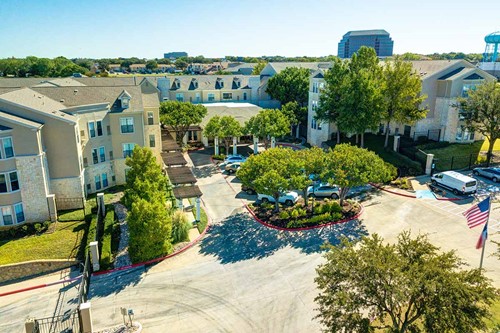 Senior Care
Ridgmar Place
Fort Worth, TX
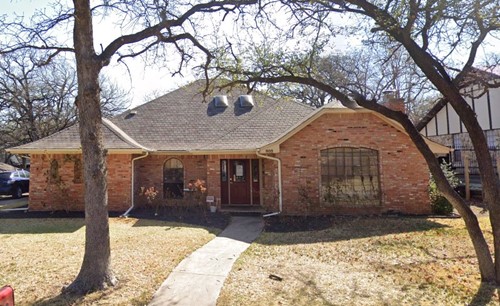 Assisted Living
St. John's Residential Care Home
Fort Worth, TX
 Assisted Living
Fort Worth Wellness & Rehabilitation
Fort Worth, TX
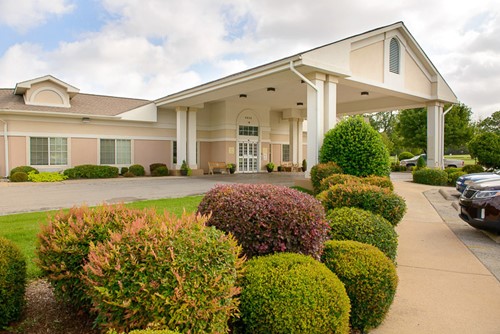 Assisted Living
Life Care Center Of Haltom
Fort Worth, TX
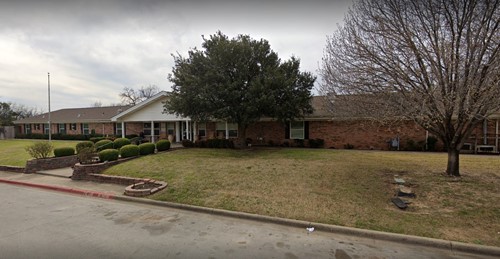 Assisted Living
Richland Hills Rehabilitation And Healthcare
Fort Worth, TX
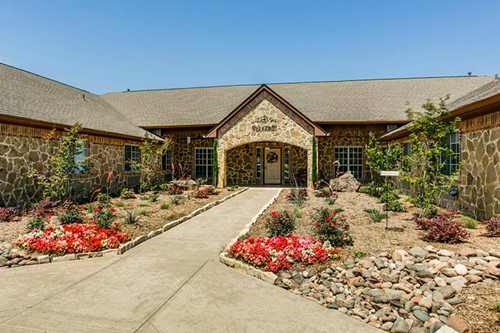 Assisted Living
Avalon Memory Care - Fort Worth
Fort Worth, TX
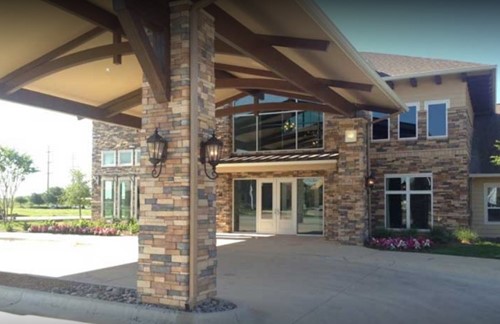 Assisted Living
Bristol Park at Eagle Mountain
Fort Worth, TX
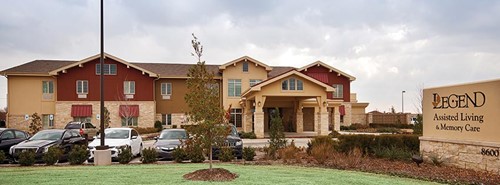 Assisted Living
Legend of Fort Worth
Fort Worth, TX
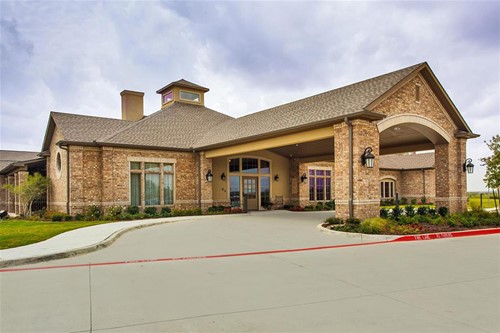 Assisted Living
The Harrison At Heritage
Fort Worth, TX
Arlington Heights Health And Rehabilitation Center
Fort Worth, TX
Arlington Heights Health And Rehabilitation Center
Fort Worth, TX
Amedisys Hospice
Fort Worth, TX
City Guide
Explore Fort Worth
Free Quotes
Get quotes from local pros in Fort Worth
Tell us what you need and we’ll pass it to companies that serve your area. It’s free, and there’s no obligation.

Compare Fort Worth with any city
See how it stacks up on cost, income, and quality of life.
Start Comparing