



City Profile
Middlebury, Vermont
USA · Comprehensive city data and intelligence
Middlebury, Vermont is a quintessential New England college town nestled in Addison County along Otter Creek. Home to the prestigious Middlebury College, the town beautifully blends historic 19th-century architecture with a vibrant, progressive cultural scene. Residents and newcomers are drawn to its scenic rolling landscapes, active outdoor lifestyle, and strong sense of community engagement.
Vermont, known as the "Green Mountain State," is characterized by its rural landscape, small towns, and strong emphasis on community and outdoor recreation. The economy is diverse, with major industries including tourism, manufacturing (especially electrical equipment, food, and beverage), agriculture (notably dairy and maple syrup), and a growing tech sector. Living in Vermont generally entails a higher cost of living than the national average, particularly due to housing and utility expenses, though it can be more affordable than some neighboring New England states. The climate features warm summers, vibrant autumns, and cold, snowy winters, supporting a lifestyle that often embraces outdoor activities and a relaxed pace.
How this 66/100 was calculated five components, with every reading behind them
| Component | Readings used | Points | Weight | Contributes |
|---|---|---|---|---|
| Safety | Safety score: 88 / 100 | 88.0 | 30% | 26.4 |
| Affordability | Cost of living index (100 = national baseline): 108.0 | 33.8 | 25% | 8.4 |
| Economy & jobs | Median household income: $82,450 Income needed to live here: $58,000 Unemployment rate: 2.4% | 86.3 | 20% | 17.3 |
| Growth | Population growth rate: 0.5% Job growth rate: 1.8% | 46.8 | 15% | 7.0 |
| Business climate assessment | Business climate assessment: 68 / 100 | 68.0 | 10% | 6.8 |
| Overall score | 65.9 | |||
Provenance.
These figures were produced by the research pass recorded as
Tier 3 (deep think) (q=54, partial — below threshold), last refreshed
16 October 2026.
They are researched estimates drawn from public sources, not a licensed data feed.
Each component is scored against fixed published endpoints, so this number is comparable with any other city and does not move as the dataset grows. Scoring framework 2026.10 — full methodology, weights and accepted ranges.

Featured Events
Happening in Middlebury
Featured and sponsored events in Middlebury.
Local Directory
Businesses in Middlebury
Featured local businesses in Middlebury.

Performance
Quality Scores
Expenses
Cost of Living
The cost of living in Middlebury is moderately higher than the national average, largely driven by housing demand and energy costs typical of rural New England. While everyday goods and groceries are comparable to national trends, specialized services, housing, and heating expenses during long winters can stretch household budgets. Property taxes in Vermont also tend to be on the higher side, supporting robust local public services and education.
Income
Salary Insights
Middlebury's economy is anchored by higher education, healthcare, and tourism, with Middlebury College serving as the single largest employer in the region. Other significant economic drivers include regional healthcare services via Porter Medical Center, advanced manufacturing, and agricultural enterprises. The remote work trend has also brought an influx of professionals seeking a scenic rural base with reliable broadband connectivity.
The average salary in Middlebury is $68,000 per year. You would need approximately $58,000 to live comfortably.
Employment
Top Industries
Weather
Climate
Mobility
Transport
While the historic downtown area is remarkably walkable and bike-friendly, a personal vehicle is generally required for exploring the surrounding Addison County region and rural Vermont. Public transportation is limited primarily to regional bus services connecting to Burlington and Rutland, though Amtrak's Ethan Allen Express provides direct rail service to New York City. Traffic congestion is virtually nonexistent outside of occasional seasonal tourist and college-move traffic.

At a Glance
Pros & Cons
Advantages
Drawbacks
Head to Head
Compare Middlebury
Community Q&A
Questions about Middlebury
What people ask about living in and moving to Middlebury, Vermont.
FAQ
Frequently Asked Questions
Senior Care in Middlebury
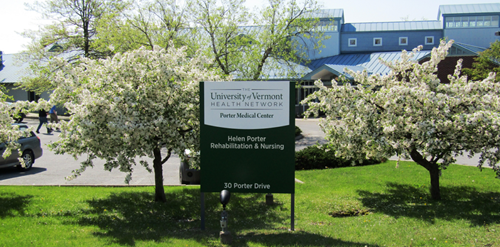
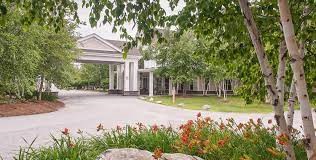
4 assisted living, nursing & memory care facilities in Middlebury.
City Guide
Explore Middlebury
Free Quotes
Get quotes from local pros in Middlebury
Tell us what you need and we’ll pass it to companies that serve your area. It’s free, and there’s no obligation.

Compare Middlebury with any city
See how it stacks up on cost, income, and quality of life.
Start Comparing