



City Profile
Spokane, Washington
USA · Comprehensive city data and intelligence
Spokane, Washington, nestled in the Inland Northwest, is a city that blends urban amenities with a strong connection to the outdoors. Originally a hub for mining and agriculture, Spokane has evolved into a diverse economic center, attracting residents with its affordability and quality of life. The city's character is shaped by its stunning natural surroundings, including the Spokane River and nearby mountains, offering abundant recreational opportunities.
People are drawn to Spokane for its balance of city conveniences and access to nature, a combination that provides a high quality of life without the high costs often associated with West Coast cities. The city boasts a growing arts and culture scene, a vibrant culinary landscape, and a strong sense of community, making it an appealing destination for those seeking a more relaxed pace of life. Its strategic location also makes it a regional hub, with easy access to neighboring states and Canada.
Spokane's development has been marked by a commitment to community growth and economic diversification. The city is home to major healthcare systems, educational institutions, and a burgeoning tech sector, contributing to a dynamic job market. This blend of natural beauty, affordability, and economic opportunity continues to position Spokane as an attractive place to live, work, and raise a family.
Washington, USA, offers a diverse character, split by the Cascade Mountains into a wetter, milder western side and a drier, more extreme eastern side. The economy is robust and varied, with major industries including technology, aerospace, trade, and healthcare in Western Washington, while the eastern half is dominated by agriculture, particularly fruit and vegetable production and dairy farming. Living costs are generally high, especially in the Seattle metropolitan area, though more affordable options exist in Eastern Washington. The climate west of the Cascades features cool, comparatively dry summers and mild, wet, cloudy winters, while the east experiences hotter summers and colder winters. Residents often enjoy an outdoor-oriented lifestyle, balancing urban conveniences with access to diverse natural landscapes.
How this 51/100 was calculated five components, with every reading behind them
| Component | Readings used | Points | Weight | Contributes |
|---|---|---|---|---|
| Safety | Safety score: 40 / 100 | 40.0 | 30% | 12.0 |
| Affordability | Cost of living index (100 = national baseline): 98.0 | 46.3 | 25% | 11.6 |
| Economy & jobs | Median household income: $70,190 Income needed to live here: $55,000 Unemployment rate: 3.8% | 68.5 | 20% | 13.7 |
| Growth | Population growth rate: 1.2% Job growth rate: 1.1% | 48.5 | 15% | 7.3 |
| Business climate assessment | Business climate assessment: 68 / 100 | 68.0 | 10% | 6.8 |
| Overall score | 51.3 | |||
Provenance.
These figures were produced by the research pass recorded as
Gemini (Tier 1 (fast), q=73), last refreshed
28 August 2026.
They are researched estimates drawn from public sources, not a licensed data feed.
Each component is scored against fixed published endpoints, so this number is comparable with any other city and does not move as the dataset grows. Scoring framework 2026.10 — full methodology, weights and accepted ranges.

Featured Events
Happening in Spokane
Featured and sponsored events in Spokane.
Local Directory
Businesses in Spokane
Featured local businesses in Spokane.

Performance
Quality Scores
Expenses
Cost of Living
Spokane offers a cost of living that is notably lower than the national average, making it an attractive option for those looking to stretch their budget further. Housing costs, in particular, are significantly more affordable than in many other West Coast cities, with median home values and average rents well below national benchmarks. This affordability extends to other essential expenses, though groceries can be slightly pricier due to regional distribution logistics.
The overall cost of living is influenced by Washington State's lack of a state income tax, which provides a considerable financial advantage to residents. While utility costs are comparable to the national average, and some goods and services might be slightly more expensive, the lower housing expenses create a substantial overall savings for individuals and families. This financial accessibility, combined with a good quality of life, makes Spokane a compelling choice for many.
Income
Salary Insights
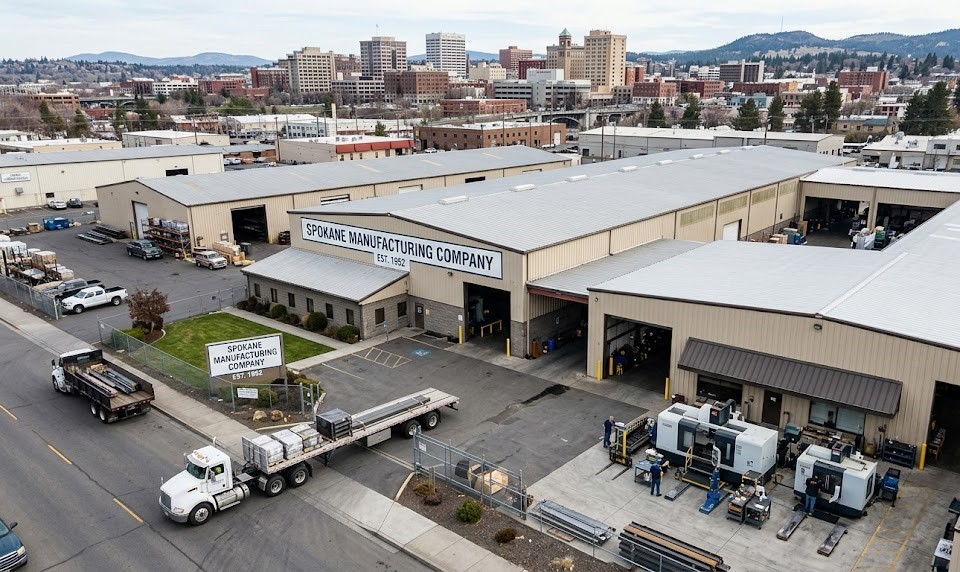
Spokane's economy is diverse and growing, with key sectors including healthcare, education, advanced manufacturing, and aerospace. The region serves as a major labor market for Eastern Washington and Northern Idaho, supported by major employers like Providence Health & Services and MultiCare Health System. The city is actively working to diversify its economy, with emerging areas in technology and startups showing promise for future job creation.
The job market in Spokane is characterized by steady growth, though projections indicate a cooling pace in 2026. While healthcare remains a dominant industry with consistent job growth, emerging sectors like aerospace and energy offer opportunities to diversify the economic base. The city is also fostering its startup ecosystem, with organizations supporting new businesses and investment, aiming to drive economic diversification and job creation.
While the overall job growth rate is projected to slow, the resilience of the U.S. economy and strategic business investments are expected to sustain modest growth. Employers currently have more leverage in the labor market, with elevated retirements also contributing to flat labor growth projections. However, in-migration is expected to help mitigate some job losses.
The average salary in Spokane is $72,290 per year. You would need approximately $55,000 to live comfortably.
Employment
Top Industries
Weather
Climate
Mobility
Transport
Spokane's transportation system is largely car-dependent, with most residents relying on personal vehicles for daily commutes. However, the city offers an efficient public transportation system through Spokane Transit Authority, which provides safe, accessible, and convenient services. The average commute time in Spokane is notably shorter than the Washington state average, typically hovering around 20-22 minutes, making it competitive with other major cities.
While driving is the primary mode of transport, Spokane also offers decent walkability and bikeability scores, with some neighborhoods being particularly conducive to car-free living. The city's transit score is also respectable, indicating that public transit is a viable option for many. Major routes like Interstate 90 provide good connectivity within the region and to other major cities.
Peak commute times generally occur between 7:00 AM and 10:00 AM, and again from 3:00 PM to 6:00 PM. Planning around these times can help avoid delays. The Spokane International Airport offers convenient flights, further enhancing the city's connectivity.

At a Glance
Pros & Cons
Advantages
Drawbacks
Head to Head
Compare Spokane
Community Q&A
Questions about Spokane
What people ask about living in and moving to Spokane, Washington.
How safe is Spokane compared to other cities?
Spokane’s safety score is 40.0 out of 100, indicating a moderate level of crime relative to national averages. This score reflects overall crime rates, including property and violent crimes. For a more detailed view, consult local police reports and community safety dashboards that break down incidents by neighborhood.
Is public transportation reliable in Spokane?
Spokane has a city transit authority that operates buses across the region. Service frequency varies by route and time of day, with more frequent service during peak hours. Checking the transit authority’s online schedule and real‑time tracking tools can help you plan reliable commutes.
What should I know about moving into Spokane during winter?
Winter in Spokane can bring cold temperatures and occasional snow, affecting road conditions and moving logistics. It’s wise to schedule movers with experience in winter weather, keep an emergency kit for heating and supplies, and monitor weather forecasts leading up to your move. Local utility providers can also advise on any seasonal service adjustments.
How does Spokane's cost of living compare to the national average?
Spokane’s cost of living index is 98, which is slightly below the national average of 100. This means everyday expenses such as groceries, utilities, and transportation are marginally cheaper than in many other parts of the country. However, salaries and housing costs are also lower, so it’s important to compare your expected income with local expenses.
Are there good public schools in Spokane for my kids?
Spokane offers a range of public schools with varying performance ratings. You can find detailed information on the school district website, which includes school boundaries, test scores, and enrollment statistics. Visiting schools in person or speaking with local parents can also give you a clearer sense of the educational environment.
What are the top outdoor activities in Spokane?
Spokane is known for its scenic parks, rivers, and nearby mountains. Popular outdoor activities include hiking in regional parks, kayaking on the river, and biking along trail networks. Local recreation departments and tourism sites list trail maps, event calendars, and seasonal activity guides to help you plan visits.
How would you describe the overall vibe of Spokane?
Spokane offers a blend of small‑town charm and urban amenities. The community values outdoor recreation, local arts, and a growing food scene. Residents often enjoy a relaxed pace while still having access to cultural events, markets, and community gatherings. Exploring the downtown area, attending local festivals, and chatting with residents can give you a true feel for the city’s vibe.
What is the average rent for a one-bedroom apartment in Spokane?
The average monthly rent for a one-bedroom apartment in Spokane is about $1,433. This figure reflects the current market and can vary by neighborhood and building amenities. For the most accurate and up-to-date listings, check online rental portals or local real estate agents that specialize in the Spokane area.
What healthcare options are available near my new home?
Spokane hosts several hospitals and a network of primary care clinics that serve the community. These facilities offer a range of specialties and are typically located in both urban and suburban areas. Visiting the city’s health department website or contacting local medical centers can provide details on services, insurance acceptance, and appointment availability.
What is the average salary for a software developer in Spokane?
The average salary in Spokane is $72,290 per year. While specific salaries for software developers can vary based on experience and company size, the city’s average provides a useful benchmark. For more precise figures, look at local job boards or industry salary surveys that focus on the Spokane market.
Some answers here were drafted as a starting point and may be out of date. Live in Spokane? Add your own.
FAQ
Frequently Asked Questions
Businesses for Sale in Spokane
Explore active acquisition & franchise opportunities .
Senior Care in Spokane
4 assisted living, nursing & memory care facilities in Spokane.




Free Quotes
Get quotes from local pros in Spokane
Tell us what you need and we’ll pass it to companies that serve your area. It’s free, and there’s no obligation.

Compare Spokane with any city
See how it stacks up on cost, income, and quality of life.
Start Comparing