



City Profile
Green Bay, Wisconsin
USA · Comprehensive city data and intelligence
Green Bay, Wisconsin, is a historic city situated at the head of Green Bay, a sub-basin of Lake Michigan. Founded by French explorers in the 17th century, it stands as the oldest settlement in Wisconsin and has evolved into a vibrant urban center while maintaining its Midwestern charm. Best known worldwide as the home of the Green Bay Packers, the city seamlessly blends passionate sports culture with a robust industrial and manufacturing heritage. Beyond the gridiron, residents and visitors enjoy a scenic waterfront, rich maritime history, and a welcoming community that attracts newcomers seeking a balance of economic opportunity and recreational lifestyle.
Wisconsin, located in the Upper Midwest, is characterized by its diverse landscapes, including Great Lakes shorelines, dense forests, and rolling hills, fostering a strong connection to outdoor recreation and a friendly, community-oriented lifestyle. The state's economy is robust, driven primarily by manufacturing, agriculture (especially dairy, earning it the nickname "America's Dairyland"), and a significant tourism sector. Living in Wisconsin generally offers a lower cost of living compared to the national average, with housing and groceries often more affordable. The climate features four distinct seasons, with warm summers and cold, snowy winters, providing opportunities for a variety of seasonal activities.
How this 65/100 was calculated five components, with every reading behind them
| Component | Readings used | Points | Weight | Contributes |
|---|---|---|---|---|
| Safety | Safety score: 74 / 100 | 74.0 | 30% | 22.2 |
| Affordability | Cost of living index (100 = national baseline): 91.0 | 55.0 | 25% | 13.8 |
| Economy & jobs | Median household income: $62,450 Income needed to live here: $48,000 Unemployment rate: 3.1% | 74.4 | 20% | 14.9 |
| Growth | Population growth rate: 0.6% Job growth rate: 1.5% | 45.0 | 15% | 6.8 |
| Business climate assessment | Business climate assessment: 72 / 100 | 72.0 | 10% | 7.2 |
| Overall score | 64.8 | |||
Provenance.
These figures were produced by the research pass recorded as
Tier 1 (fast) (q=52, partial — below threshold), last refreshed
17 October 2026.
They are researched estimates drawn from public sources, not a licensed data feed.
Each component is scored against fixed published endpoints, so this number is comparable with any other city and does not move as the dataset grows. Scoring framework 2026.10 — full methodology, weights and accepted ranges.

Featured Events
Happening in Green Bay
Featured and sponsored events in Green Bay.
Local Directory
Businesses in Green Bay
Featured local businesses in Green Bay.

Performance
Quality Scores
Expenses
Cost of Living
The cost of living in Green Bay is notably lower than the national average, making it an attractive destination for families, professionals, and retirees alike. Housing costs remain particularly accessible compared to major metropolitan areas across the United States, allowing residents to secure comfortable homes or apartments without excessive financial strain. Everyday expenses such as groceries, utilities, and transportation also track below national benchmarks, contributing to an overall high standard of living relative to household incomes.
Income
Salary Insights
Green Bay features a diverse and resilient economy anchored by manufacturing, paper production, healthcare, and logistics. Major employers such as Bellin Health, Prevea Health, and various paper and packaging corporations provide steady employment opportunities across multiple sectors. The regional job market benefits from low unemployment rates and consistent economic development initiatives fostered by local chambers and municipal programs. Additionally, the thriving tourism industry, driven heavily by Green Bay Packers events and seasonal lakefront visitors, adds significant economic vitality to the area.
The average salary in Green Bay is $58,500 per year. You would need approximately $48,000 to live comfortably.
Employment
Top Industries
Weather
Climate
Mobility
Transport
Getting around Green Bay is primarily automobile-dependent, with well-maintained roadways and efficient highway networks connecting the region. The Green Bay Metro provides public bus transit services across the city and surrounding areas for commuters and students. While walkability is high in specific commercial districts like downtown and the Broadway shopping area, a personal vehicle remains the preferred mode of transport for most residents. Austin Straubel International Airport offers convenient regional connectivity for air travelers.

At a Glance
Pros & Cons
Advantages
Drawbacks
Head to Head
Compare Green Bay
Community Q&A
Questions about Green Bay
What people ask about living in and moving to Green Bay, Wisconsin.
How reliable is public transportation in Green Bay?
The city’s transit authority operates a network of bus routes covering residential, commercial, and downtown areas. Service frequency varies by corridor, with peak hours offering more frequent runs. Real-time tracking apps and schedule updates are available through the transit website, helping commuters plan their trips and monitor delays.
How does Green Bay's cost of living compare to the national average?
Green Bay generally has a lower cost of living than the national average. Housing prices, groceries, and utilities tend to be modest, though some specialty items may be pricier due to regional supply. The city offers a variety of retail and dining options that fit many budgets. For precise comparisons, look at cost-of-living calculators that use local data or consult the city’s economic development office for updated...
What types of housing are most common in Green Bay?
Green Bay features a mix of single-family homes, townhomes, and condominiums, especially in suburban neighborhoods. Detached houses with yards are plentiful in the residential districts, offering space for families. Rental options include apartments and multi-family units. To find specific listings, browse real estate portals that cover the Green Bay area or contact local agents who specialize in the city’s housing m...
How are the public schools in Green Bay rated?
Public schools in the area vary in performance, with several districts earning above-average ratings. Schools typically offer a range of programs, including advanced placement and special education. For detailed evaluations, consult the state’s education department website, which provides school performance reports, and visit individual district sites for curriculum and extracurricular information.
Is Green Bay a safe place to live?
Crime statistics in Green Bay are comparable to similar mid-sized cities. Certain neighborhoods have lower incident rates, while others may experience higher activity. Local police departments publish annual crime reports, and community watch groups often share safety updates. Reviewing these resources can give a clearer picture of safety in specific areas of the city.
What healthcare facilities are available in Green Bay?
Green Bay hosts several hospitals and specialty clinics offering a range of medical services, from emergency care to orthopedics and cardiology. Many facilities are part of regional health networks that provide comprehensive care. Patient reviews and accreditation information can be found on the state’s health department portal and through local health directories.
What is the overall vibe of Green Bay?
Green Bay combines small‑town friendliness with urban amenities. Residents often cite a strong sense of community, local sports enthusiasm, and accessible parks. The downtown area offers shops, restaurants, and cultural venues, while surrounding neighborhoods provide quieter residential life. Visiting different districts and speaking with locals can give a balanced view of the city’s character.
What industries dominate employment in Green Bay?
The city’s economy is anchored by manufacturing, healthcare, and logistics, with many facilities supporting production and distribution. There are also growing sectors in technology and professional services. Job seekers can explore local career centers, industry associations, and online job boards that focus on the Green Bay region for openings that match manufacturing experience.
What are the top outdoor activities near Green Bay?
The region offers numerous parks, trails, and waterfronts. There are extensive bike paths along the river, lakeside parks for kayaking and fishing, and state natural areas with hiking trails. Seasonal events such as festivals and farmers markets also provide cultural experiences. Local tourism boards list current activities and maps for outdoor recreation.
What should I know about moving into Green Bay?
Plan your move around the city’s seasonal weather; late fall and early spring can bring snow and rain, affecting transportation. Research utility providers early to ensure services start on time. Familiarize yourself with the city’s zoning and parking regulations, especially in downtown and residential zones. Contact local moving companies that specialize in the area for quotes and logistics advice.
Some answers here were drafted as a starting point and may be out of date. Live in Green Bay? Add your own.
FAQ
Frequently Asked Questions
Businesses for Sale in Green Bay
Explore active acquisition & franchise opportunities .
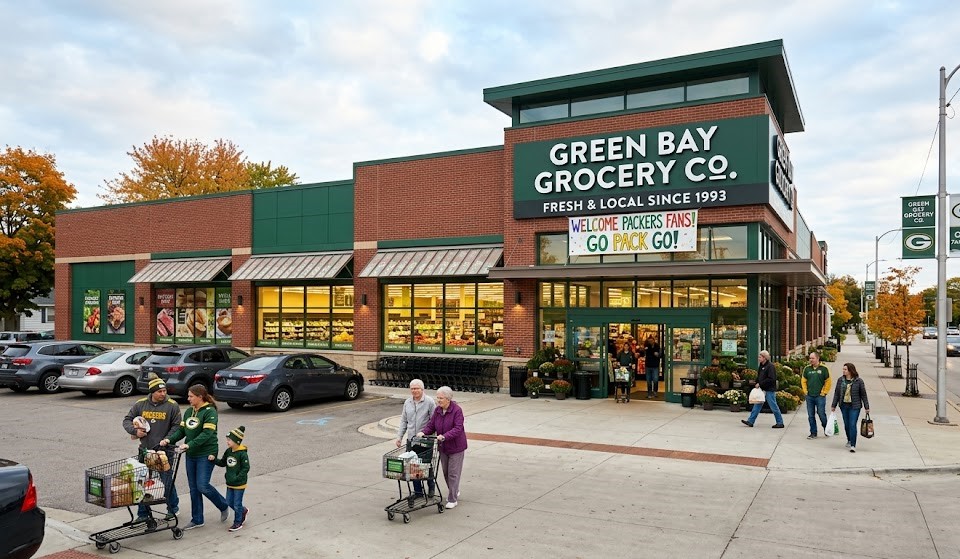
Senior Care in Green Bay
3 assisted living, nursing & memory care facilities in Green Bay.


Free Quotes
Get quotes from local pros in Green Bay
Tell us what you need and we’ll pass it to companies that serve your area. It’s free, and there’s no obligation.

Compare Green Bay with any city
See how it stacks up on cost, income, and quality of life.
Start Comparing