



City Profile
Peoria, Arizona
USA · Comprehensive city data and intelligence
Peoria, Arizona, is a thriving and rapidly expanding city located in the northwest Valley of the Greater Phoenix metropolitan area. Founded in 1886 by settlers from Illinois, the city has evolved from a quiet agricultural community and bedroom suburb into a dynamic economic hub. Stretching across more than 176 square miles from suburban neighborhoods to the rugged shores of Lake Pleasant and deep into the Sonoran Desert, Peoria offers a unique blend of scenic outdoor adventure and modern suburban convenience. Its thoughtful master-planned communities, high-performing schools, and scenic backdrops have made it one of the most desirable places to live in the American Southwest.
Arizona offers a diverse landscape, from low-elevation deserts to mountainous regions, and is known for its abundant sunshine, averaging around 300 sunny days per year. The state's economy is moderately diverse, with major industries including manufacturing (especially aerospace, defense, transportation, and electronics), healthcare, real estate, tourism, technology, bioscience, agriculture (cotton, citrus), and mining (copper). While the cost of living in Arizona is generally higher than the national average, particularly for housing, the state's mild winters and opportunities for outdoor activities contribute to an appealing lifestyle for many.
How this 69/100 was calculated five components, with every reading behind them
| Component | Readings used | Points | Weight | Contributes |
|---|---|---|---|---|
| Safety | Safety score: 82 / 100 | 82.0 | 30% | 24.6 |
| Affordability | Cost of living index (100 = national baseline): 103.0 | 40.0 | 25% | 10.0 |
| Economy & jobs | Median household income: $95,815 Income needed to live here: $60,000 Unemployment rate: 4.9% | 81.7 | 20% | 16.3 |
| Growth | Population growth rate: 0.84% Job growth rate: 3.1% | 64.0 | 15% | 9.6 |
| Business climate assessment | Business climate assessment: 85 / 100 | 85.0 | 10% | 8.5 |
| Overall score | 69.0 | |||
Provenance.
These figures were produced by the research pass recorded as
Gemini (ungrounded, q=72), last refreshed
11 October 2026.
They are researched estimates drawn from public sources, not a licensed data feed.
Each component is scored against fixed published endpoints, so this number is comparable with any other city and does not move as the dataset grows. Scoring framework 2026.10 — full methodology, weights and accepted ranges.

Featured Events
Happening in Peoria
Featured and sponsored events in Peoria.
Local Directory
Businesses in Peoria
Featured local businesses in Peoria.

Performance
Quality Scores
Expenses
Cost of Living
The cost of living in Peoria is slightly above the national average, driven largely by strong housing demand, continuous population growth, and regional economic expansion in Maricopa County. While grocery and utility expenses track close to typical U.S. benchmarks, housing costs—both for purchasing and renting—tend to reflect the premium associated with safety, cleanliness, and lifestyle amenities. However, residents benefit from a relatively balanced tax environment and competitive wages, which help offset the elevated housing and transportation expenses common to fast-growing desert municipalities.
Income
Salary Insights
Peoria's job market is experiencing historic transformation, shifting from a traditional commuter suburb to a powerhouse of high-wage employment. The city's economic strategy centers heavily on the Peoria Innovation Core, anchored by massive investments such as Amkor Technology's multi-billion dollar advanced semiconductor packaging campus. Alongside a booming healthcare sector featuring HonorHealth and Valleywise Health, advanced manufacturing, technology, and corporate services are driving rapid job growth. The local remote work scene is also robust, supported by widespread gigabit broadband infrastructure and numerous professional co-working spaces.
The average salary in Peoria is $72,000 per year. You would need approximately $60,000 to live comfortably.
Employment
Top Industries
Weather
Climate
Mobility
Transport
Car dependency remains high in Peoria, as typical for the outer Phoenix metropolitan expanse, though major arterial roads and access to Loops 101 and 303 make driving efficient. Average commute times hover around 25 to 28 minutes, connecting residents to employment centers across the West Valley and downtown Phoenix. Public transit options are somewhat limited outside of local bus routes, meaning most daily errands and commutes rely heavily on personal vehicles.

At a Glance
Pros & Cons
Advantages
Drawbacks
Head to Head
Compare Peoria
Community Q&A
Questions about Peoria
What people ask about living in and moving to Peoria, Arizona.
FAQ
Frequently Asked Questions
Senior Care in Peoria
148 assisted living, nursing & memory care facilities in Peoria.
 Senior Care
Arrowhead Valley Retirement Resort
Peoria, AZ
 Senior Care
Freedom Plaza Arizona
Peoria, AZ
 Senior Care
West Clinical Office - Hospice of the Valley
Peoria, AZ
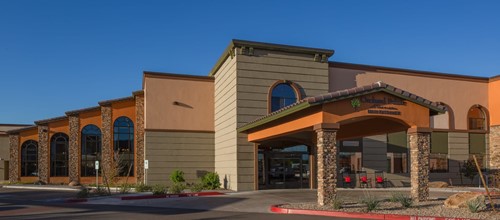 Senior Care
Orchard Pointe at Terrazza
Peoria, AZ
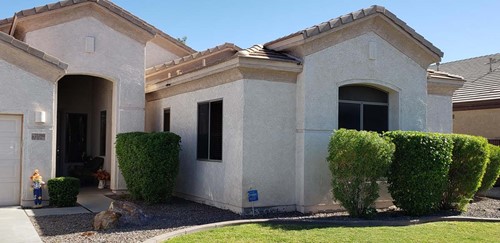 Assisted Living
Pleasant Sunset Assisted Living
Peoria, AZ
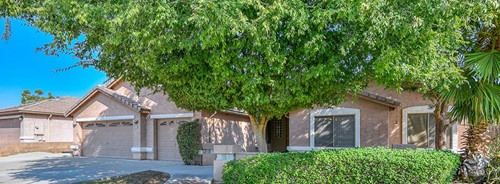 Assisted Living
Salter Springs Assisted Living
Peoria, AZ
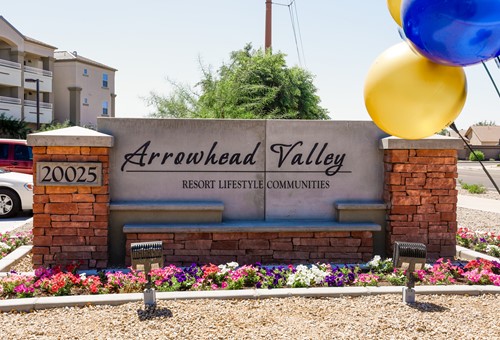 Senior Care
Arrowhead Valley Retirement
Peoria, AZ
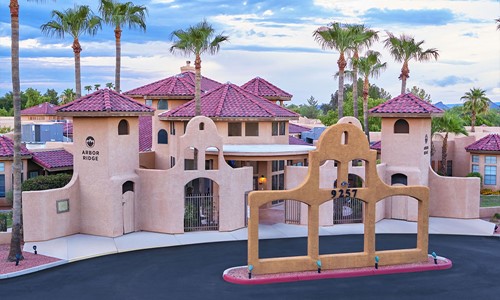 Assisted Living
Arbor Ridge
Peoria, AZ
 Assisted Living
Senita Ridge
Peoria, AZ
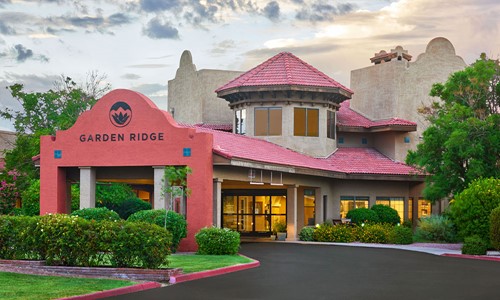 Senior Care
Ridges at Peoria Senior Living
Peoria, AZ
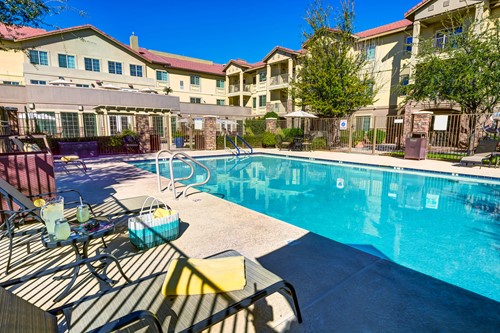 Senior Care
Palos Verdes Senior Living
Peoria, AZ
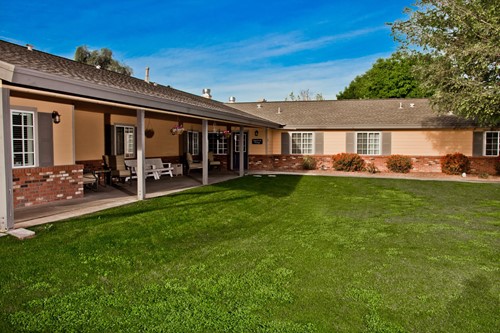 Assisted Living
Pacifica Senior Living at Peoria
Peoria, AZ
City Guide
Explore Peoria
Free Quotes
Get quotes from local pros in Peoria
Tell us what you need and we’ll pass it to companies that serve your area. It’s free, and there’s no obligation.

Compare Peoria with any city
See how it stacks up on cost, income, and quality of life.
Start Comparing