



City Profile
Boulder, Colorado
USA · Comprehensive city data and intelligence
Boulder, Colorado, situated at the base of the Rocky Mountains' foothills just northwest of Denver, is globally renowned for its active outdoor culture, progressive politics, and thriving technology hub. Founded during the 1859 gold rush, the city has evolved from a quiet frontier outpost into a vibrant center for research, education, and innovation, anchored by the University of Colorado Boulder. People are drawn to Boulder for its unmatched access to nature, pristine open spaces, and an environment that prioritizes sustainability, wellness, and environmental consciousness.
The character of Boulder is defined by its striking natural backdrop, most notably the iconic Flatirons rock formations, which frame the western edge of the city. Strict municipal growth boundaries and extensive preservation of open space have kept the town compact, preventing urban sprawl and maintaining a tight-knit community feel. Residents enjoy over 300 days of sunshine a year, fueling a lifestyle heavily centered around hiking, rock climbing, cycling, and trail running right out their back doors.
Colorado is characterized by its diverse geography, ranging from the Rocky Mountains to the Eastern Plains, offering a lifestyle that blends natural beauty with community charm and extensive outdoor recreation opportunities. The state's economy is robust and diversified, with major industries including aerospace, bioscience, technology, energy and natural resources, financial services, and a strong tourism sector. Living in Colorado is generally more expensive than the national average, with housing costs being a primary driver. The climate is diverse, featuring four distinct seasons with abundant sunshine, though it can experience rapid weather shifts, including hot summers, cold winters, and occasional extreme weather events like flash floods and strong winds.
How this 55/100 was calculated five components, with every reading behind them
| Component | Readings used | Points | Weight | Contributes |
|---|---|---|---|---|
| Safety | Safety score: 75 / 100 | 75.0 | 30% | 22.5 |
| Affordability | Cost of living index (100 = national baseline): 128.0 | 8.8 | 25% | 2.2 |
| Economy & jobs | Median household income: $87,493 Income needed to live here: $68,000 Unemployment rate: 4.1% | 67.3 | 20% | 13.5 |
| Growth | Population growth rate: no usable reading Job growth rate: 1.8% | 56.0 | 15% | 8.4 |
| Business climate assessment | Business climate assessment: 80 / 100 | 80.0 | 10% | 8.0 |
| Overall score | 54.5 | |||
Provenance.
These figures were produced by the research pass recorded as
Gemini (Tier 1 (fast), q=70), last refreshed
11 October 2026.
They are researched estimates drawn from public sources, not a licensed data feed.
Each component is scored against fixed published endpoints, so this number is comparable with any other city and does not move as the dataset grows. Scoring framework 2026.10 — full methodology, weights and accepted ranges.

Featured Events
Happening in Boulder
Featured and sponsored events in Boulder.
Local Directory
Businesses in Boulder
Featured local businesses in Boulder.

Performance
Quality Scores
Expenses
Cost of Living
The cost of living in Boulder is significantly higher than the national average, driven primarily by soaring housing expenses, high demand for property, and limited geographic expansion due to open-space protection laws. Everyday goods, dining out, and services also tend to trend well above national medians, reflecting the affluent demographic and progressive economic profile of the region. While utilities and transportation costs remain somewhat moderate compared to coastal metropols, total household expenses require a robust income to maintain comfort.
Downward pressures on specific everyday items exist due to local market competition and regional supply chains, but they do little to offset the massive weight of housing costs. Residents frequently trade off higher living expenses for exceptional environmental quality, superior educational institutions, and a lifestyle that places a premium on health and outdoor recreation. Consequently, newcomers often find that budgeting for Boulder necessitates realistic financial planning well above standard national baselines.
Income
Salary Insights
Boulder boasts a dynamic, high-tech economy characterized by a dense concentration of startups, federal research laboratories like NOAA and NCAR, and major aerospace and software corporations. The presence of the University of Colorado Boulder acts as a continuous engine for talent, scientific breakthroughs, and entrepreneurial spin-offs, creating a robust ecosystem for venture capital and innovation. Major employment sectors span software development, aerospace engineering, bioscience, natural products, and higher education.
The remote and hybrid work scene is exceptionally strong here, with thousands of tech professionals, consultants, and entrepreneurs utilizing local co-working spaces or working from home. The city's entrepreneurial climate score ranks high relative to other mid-sized markets, supported by active incubator networks and angel investor groups. Job growth remains steady, particularly in specialized scientific and technical fields that demand advanced degrees and specialized expertise.
The average salary in Boulder is $78,000 per year. You would need approximately $68,000 to live comfortably.
Employment
Top Industries
Weather
Climate
Mobility
Transport
Getting around Boulder is designed to prioritize multi-modal transportation, featuring extensive bicycle infrastructure, pedestrian-friendly corridors, and efficient public transit networks. The Regional Transportation District (RTD) operates frequent bus services, including the popular Flatiron Flyer connecting Boulder directly to Denver and surrounding metro communities. Walkability and bikeability scores are exceptionally high within the central grid and university zones, allowing many residents to run daily errands without relying on a personal automobile.
While driving remains common for regional commutes or hauling outdoor gear into the mountains, traffic congestion peaks during standard rush hours along major arteries like Foothills Parkway and Broadway. Car dependency is relatively low compared to typical American cities of similar size, thanks to robust local incentives for transit passes, bike commuting, and comprehensive sidewalk and multi-use path networks.

At a Glance
Pros & Cons
Advantages
Drawbacks
Head to Head
Compare Boulder
Community Q&A
Questions about Boulder
What people ask about living in and moving to Boulder, Colorado.
FAQ
Frequently Asked Questions
Businesses for Sale in Boulder
Explore active acquisition & franchise opportunities .
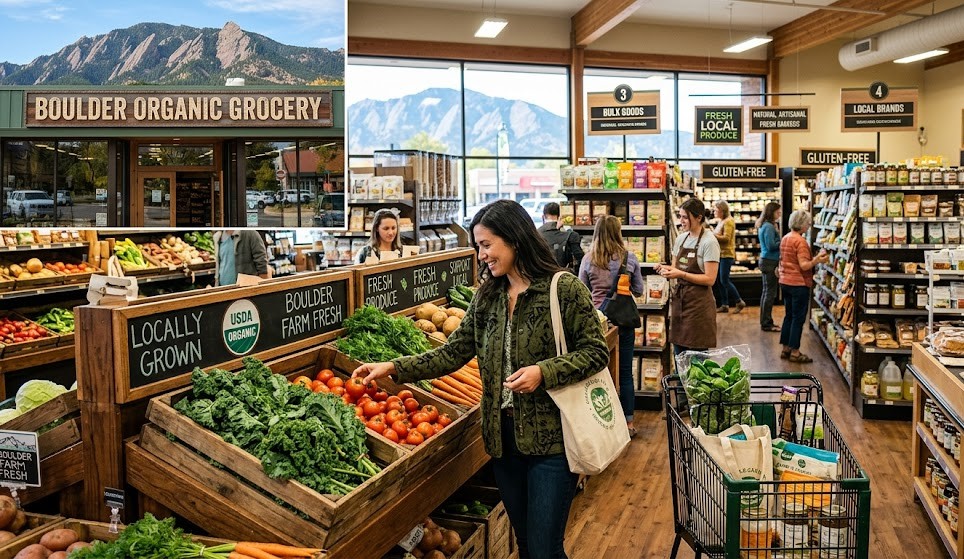
Senior Care in Boulder
28 assisted living, nursing & memory care facilities in Boulder.
 Senior Care
Academy Senior Living
Boulder, CO
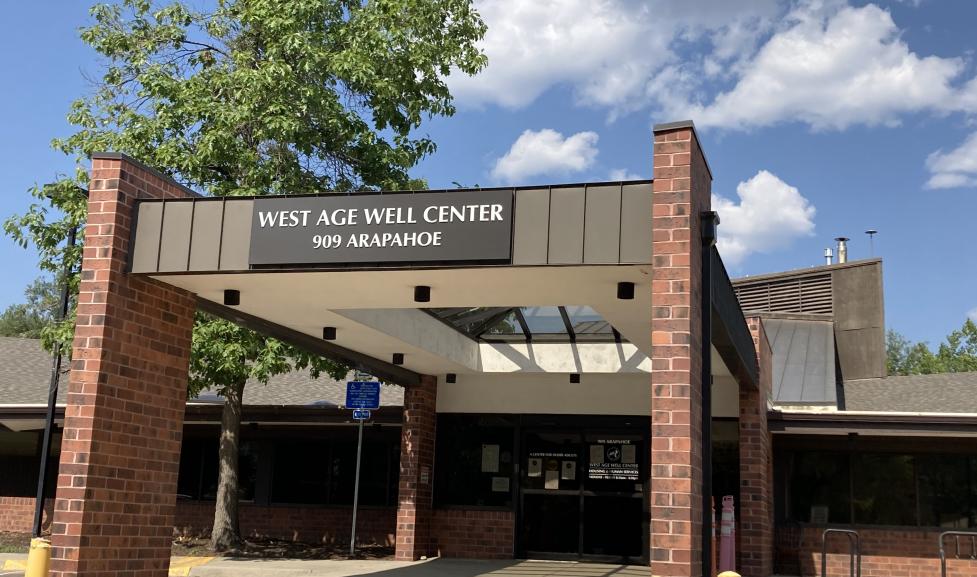 Senior Care
Boulder Older Adult Services (West Age Well Center)
Boulder, CO
 Senior Care
Boulder Post Acute
Boulder, CO
 Senior Care
Academy Mapleton Hill
Boulder, CO
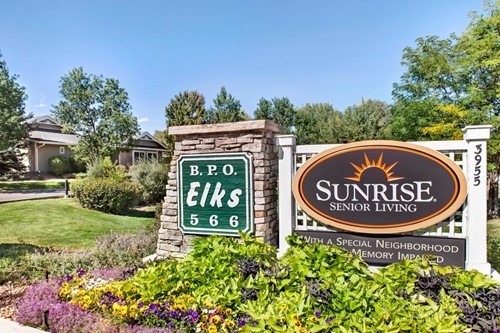 Assisted Living
Sunrise of Boulder
Boulder, CO
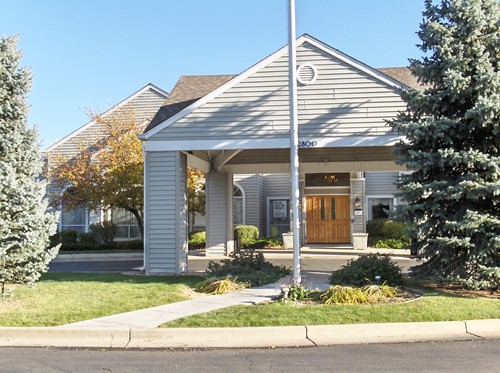 Assisted Living
ProMedica Skilled Nursing and Rehabilitation - Boulder
Boulder, CO
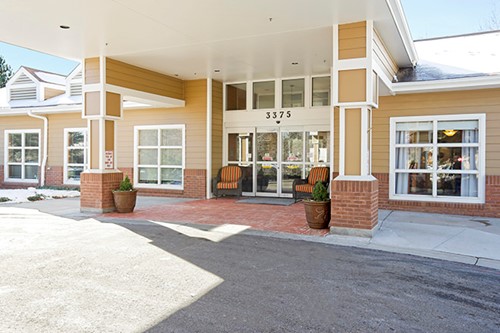 Assisted Living
Brookdale Boulder Creek
Boulder, CO
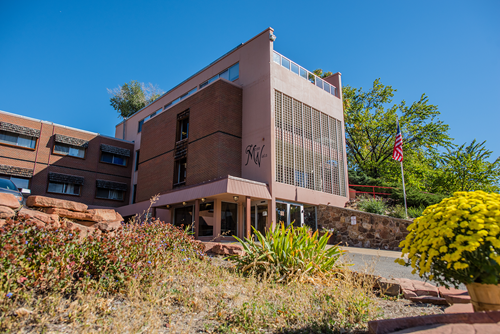 Assisted Living
Mesa Vista Of Boulder
Boulder, CO
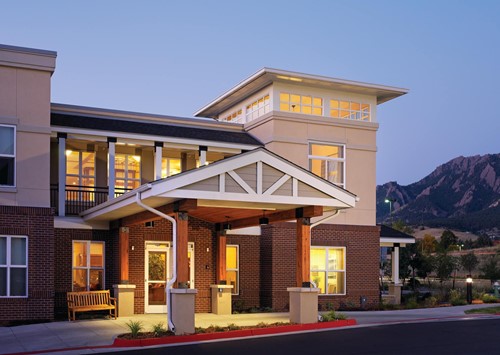 Senior Care
Flatirons Terrace
Boulder, CO
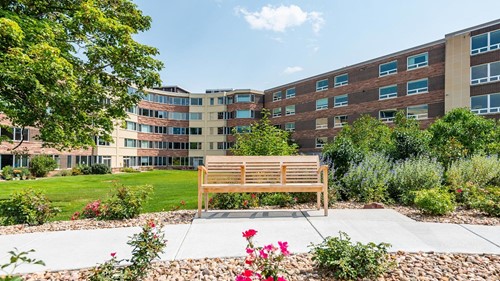 Assisted Living
Frasier Meadows Assisted Living & Memory Support
Boulder, CO
 Assisted Living
Frasier Meadows Health Care Center
Boulder, CO
 Senior Care
Frasier Meadows Independent Living
Boulder, CO
City Guide
Explore Boulder
Free Quotes
Get quotes from local pros in Boulder
Tell us what you need and we’ll pass it to companies that serve your area. It’s free, and there’s no obligation.

Compare Boulder with any city
See how it stacks up on cost, income, and quality of life.
Start Comparing