



City Profile
Arvada, Colorado
USA · Comprehensive city data and intelligence
Arvada, Colorado, situated between Denver and Boulder in Jefferson and Adams counties, is a thriving home rule city with a rich agricultural and mining history dating back to its founding in 1859. Known as the 'Gateway to the Rockies,' the city preserves a vibrant small-town character while maintaining a population of over 122,000 residents. People are drawn to Arvada for its picturesque views, family-oriented neighborhoods, and the historic Olde Town district, which serves as a cultural and culinary hub.
The community balances suburban comfort with robust urban access, bolstered by the G Line commuter rail connecting residents directly to downtown Denver. Its blend of historic charm, extensive open spaces, and modern economic opportunities makes it one of the most desirable municipalities along Colorado's Front Range urban corridor.
Colorado is characterized by its diverse geography, ranging from the Rocky Mountains to the Eastern Plains, offering a lifestyle that blends natural beauty with community charm and extensive outdoor recreation opportunities. The state's economy is robust and diversified, with major industries including aerospace, bioscience, technology, energy and natural resources, financial services, and a strong tourism sector. Living in Colorado is generally more expensive than the national average, with housing costs being a primary driver. The climate is diverse, featuring four distinct seasons with abundant sunshine, though it can experience rapid weather shifts, including hot summers, cold winters, and occasional extreme weather events like flash floods and strong winds.
How this 64/100 was calculated five components, with every reading behind them
| Component | Readings used | Points | Weight | Contributes |
|---|---|---|---|---|
| Safety | Safety score: 76 / 100 | 76.0 | 30% | 22.8 |
| Affordability | Cost of living index (100 = national baseline): 106.0 | 36.3 | 25% | 9.1 |
| Economy & jobs | Median household income: $117,348 Income needed to live here: $65,000 Unemployment rate: 3.8% | 88.8 | 20% | 17.8 |
| Growth | Population growth rate: 0.5% Job growth rate: 1.8% | 46.8 | 15% | 7.0 |
| Business climate assessment | Business climate assessment: 72 / 100 | 72.0 | 10% | 7.2 |
| Overall score | 63.8 | |||
Provenance.
These figures were produced by the research pass recorded as
Gemini (Tier 2 (reasoned), q=82), last refreshed
11 October 2026.
They are researched estimates drawn from public sources, not a licensed data feed.
Each component is scored against fixed published endpoints, so this number is comparable with any other city and does not move as the dataset grows. Scoring framework 2026.10 — full methodology, weights and accepted ranges.

Featured Events
Happening in Arvada
Featured and sponsored events in Arvada.
Local Directory
Businesses in Arvada
Featured local businesses in Arvada.

Performance
Quality Scores
Expenses
Cost of Living
The cost of living in Arvada runs higher than the national average, driven largely by elevated housing expenses and strong demand within the Denver-Aurora-Centennial metropolitan area. Regional price parity data indicate that overall expenses track approximately 5.8% above typical U.S. baselines, though everyday items like groceries and utilities remain relatively stable compared to coastal metropolitan centers.
While property taxes and utility costs are manageable, housing represents the single largest expenditure for households. The strong influx of professionals and families relocating to the Front Range continues to exert upward pressure on real estate and rental markets, requiring a solid middle-to-upper income threshold to comfortably purchase property.
Income
Salary Insights
Arvada features a resilient and diversified local economy, supported by key industry sectors including advanced manufacturing, aerospace, healthcare, technology, and professional services. Prominent local employers such as Sundyne, Barber-Nichols, and LivaNova USA anchor a robust manufacturing and engineering base. Furthermore, its strategic proximity to Denver and Boulder allows residents to tap into a wider, highly educated regional labor pool.
The local unemployment rate hovers around a healthy 3.8%, tracking below national averages. The entrepreneurial climate is active, supported by regional business associations and local economic development initiatives that foster small business growth and technology-driven startups.
The average salary in Arvada is $78,000 per year. You would need approximately $65,000 to live comfortably.
Employment
Top Industries
Weather
Climate
Mobility
Transport
Getting around Arvada relies predominantly on personal vehicles, as the city exhibits a car-dependent layout with an average Walk Score of 35. However, pockets like Olde Town are highly walkable and pedestrian-friendly. Commuters benefit from the Regional Transportation District (RTD) G Line light rail service, which links Arvada directly to Union Station in downtown Denver.
Major roadways like Wadsworth Boulevard and Interstate 70 facilitate regional travel, though peak-hour traffic heading toward Denver can experience congestion. An expanding network of multi-use bike trails also supports cyclists navigating the local area.

At a Glance
Pros & Cons
Advantages
Drawbacks
Head to Head
Compare Arvada
Community Q&A
Questions about Arvada
What people ask about living in and moving to Arvada, Colorado.
FAQ
Frequently Asked Questions
Senior Care in Arvada
17 assisted living, nursing & memory care facilities in Arvada.
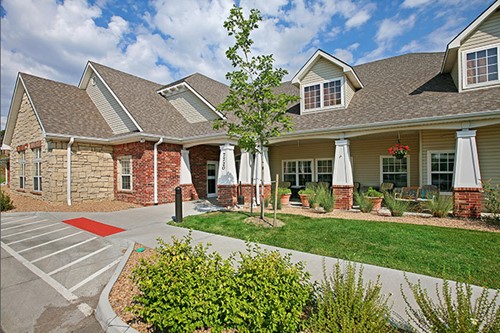 Assisted Living
Brookdale Arvada
Arvada, CO
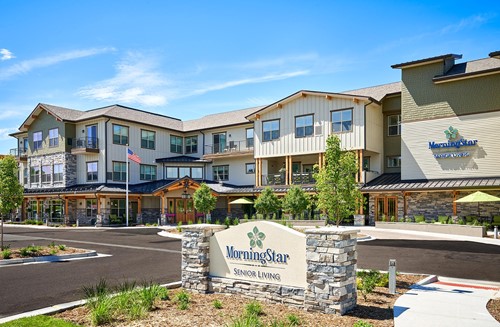 Senior Care
MorningStar Senior Living of Arvada
Arvada, CO
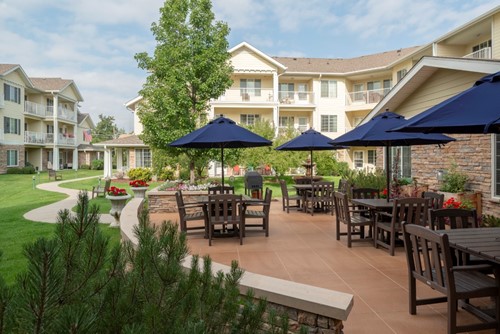 Senior Care
Kipling Meadows
Arvada, CO
 Assisted Living
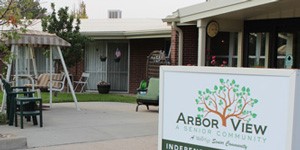
Arbor View
Arvada, CO
 Senior Care
Arbor View Senior Living
Arvada, CO
 Senior Care
Springwood Retirement Campus
Arvada, CO
 Senior Care
The Gardens on Quail Retirement Community
Arvada, CO
 Assisted Living
Arvada Care And Rehabilitation Center
Arvada, CO
Elevation Hospice Of Colorado LLC
Arvada, CO
Gracia Hospice Group Inc
Arvada, CO
Ralston Creek Neighborhood Assisted Living & Memory Care
Arvada, CO
Oberon House
Arvada, CO
City Guide
Explore Arvada
Free Quotes
Get quotes from local pros in Arvada
Tell us what you need and we’ll pass it to companies that serve your area. It’s free, and there’s no obligation.

Compare Arvada with any city
See how it stacks up on cost, income, and quality of life.
Start Comparing