



City Profile
Lakewood, Colorado
USA · Comprehensive city data and intelligence
Lakewood, Colorado is a dynamic home rule city situated in Jefferson County, perfectly nestled between the foothills of the Rocky Mountains and downtown Denver. Incorporated in 1969, it has evolved from a quiet post-war suburb into the fifth most populous municipality in the state. The city is characterized by its balanced blend of urban convenience and natural beauty, featuring extensive parks, open spaces like Green Mountain, and a thriving arts community centered around the Lakewood Cultural Center. People are drawn to Lakewood for its strategic location, offering rapid access to both the high-tech urban core of the Denver metropolitan area and the world-class outdoor recreation of the Rockies.
The community layout spans diverse neighborhoods, ranging from established mid-century residential pockets to modern master-planned urban hubs like Belmar. Belmar serves as a vibrant downtown district, providing residents with walkable retail, dining, and entertainment options without requiring a trip into central Denver. Lakewood prides itself on maintaining a forward-thinking municipal identity that emphasizes sustainability, economic vitality, and neighborhood preservation. Its commitment to green initiatives and trail connectivity makes it a premier destination for families, professionals, and retirees seeking an active Colorado lifestyle.
Education and civic engagement run deep within Lakewood's community framework. The city hosts notable higher education institutions including Colorado Christian University, Red Rocks Community College, and the Rocky Mountain College of Art and Design. Additionally, it accommodates the Denver Federal Center, establishing a unique federal employment anchor that shapes the city's professional character. This mix of academic institutions, government presence, and suburban warmth creates a stable, highly educated population base.
Colorado is characterized by its diverse geography, ranging from the Rocky Mountains to the Eastern Plains, offering a lifestyle that blends natural beauty with community charm and extensive outdoor recreation opportunities. The state's economy is robust and diversified, with major industries including aerospace, bioscience, technology, energy and natural resources, financial services, and a strong tourism sector. Living in Colorado is generally more expensive than the national average, with housing costs being a primary driver. The climate is diverse, featuring four distinct seasons with abundant sunshine, though it can experience rapid weather shifts, including hot summers, cold winters, and occasional extreme weather events like flash floods and strong winds.
How this 59/100 was calculated five components, with every reading behind them
| Component | Readings used | Points | Weight | Contributes |
|---|---|---|---|---|
| Safety | Safety score: 68 / 100 | 68.0 | 30% | 20.4 |
| Affordability | Cost of living index (100 = national baseline): 106.0 | 36.3 | 25% | 9.1 |
| Economy & jobs | Median household income: $89,792 Income needed to live here: $60,000 Unemployment rate: 4% | 81.0 | 20% | 16.2 |
| Growth | Population growth rate: 0.18% Job growth rate: 1.9% | 43.8 | 15% | 6.6 |
| Business climate assessment | Business climate assessment: 72 / 100 | 72.0 | 10% | 7.2 |
| Overall score | 59.4 | |||
Provenance.
These figures were produced by the research pass recorded as
Gemini (Tier 1 (fast), q=75), last refreshed
11 October 2026.
They are researched estimates drawn from public sources, not a licensed data feed.
Each component is scored against fixed published endpoints, so this number is comparable with any other city and does not move as the dataset grows. Scoring framework 2026.10 — full methodology, weights and accepted ranges.

Featured Events
Happening in Lakewood
Featured and sponsored events in Lakewood.
Local Directory
Businesses in Lakewood
Featured local businesses in Lakewood.

Performance
Quality Scores
Expenses
Cost of Living
The cost of living in Lakewood sits roughly 5% to 6% above the national average, making it slightly more affordable than neighboring Denver while remaining reflective of the broader Front Range economic pressure. Housing expenses represent the primary driver above national baselines, as real estate demand across the Denver metropolitan area continues to outpace supply. Property taxes, utilities, and daily services also trend moderately higher than the U.S. average, influenced by regional energy costs and strong local demand for housing.
Conversely, everyday goods such as groceries and healthcare services align more closely with national medians, helping to balance household budgets. Transportation costs vary depending on commuting habits, though access to regional transit options like the RTD light rail W Line helps mitigate daily fuel and vehicle maintenance expenses. Overall, while residents face elevated housing costs, the local median household income generally scales proportionally to support the regional cost structure.
Income
Salary Insights
Lakewood boasts a robust and diversified economy anchored by government services, healthcare, education, and advanced manufacturing. The Denver Federal Center stands as the single largest employment driver in the city, housing dozens of federal agencies and thousands of federal workers. Major healthcare institutions like St. Anthony Hospital and Medical Campus further reinforce the job market by providing high-paying clinical and administrative positions. Additionally, prominent regional corporations such as FirstBank and various technology and engineering firms contribute to a resilient local labor market.
The remote work scene in Lakewood is exceptionally strong, supported by widespread gigabit broadband infrastructure and numerous local coffee shops, co-working spaces, and hybrid corporate hubs. Entrepreneurial momentum is fostered through local business incentives and proximity to Denver’s vibrant startup ecosystem. Job growth remains steady, tracking closely with statewide economic expansions in clean energy, aerospace support, and professional business services.
The average salary in Lakewood is $72,000 per year. You would need approximately $60,000 to live comfortably.
Employment
Top Industries
Weather
Climate
Mobility
Transport
Getting around Lakewood is facilitated by a multi-modal transportation network that includes major highways, bus lines, and light rail. U.S. Route 6, Interstate 70, and State Highway 285 cut through the city, providing direct car access to downtown Denver and the mountains. The Regional Transportation District (RTD) W Line light rail connects Lakewood directly to downtown Denver in under 20 minutes, making it a favorite for commuters.
While car dependency remains medium-to-high due to the sprawling post-war suburban design of certain neighborhoods, pockets like Belmar and transit-oriented developments boast high walkability scores. Bike infrastructure is robust, featuring extensive interconnected trails that link residential areas to commercial hubs. Traffic congestion is common during peak morning and evening rush hours along major thoroughfares, but overall transit connectivity remains superior to many peer suburban municipalities.

At a Glance
Pros & Cons
Advantages
Drawbacks
Head to Head
Compare Lakewood
Community Q&A
Questions about Lakewood
What people ask about living in and moving to Lakewood, Colorado.
FAQ
Frequently Asked Questions
Senior Care in Lakewood
52 assisted living, nursing & memory care facilities in Lakewood.
 Senior Care
Advanced Health Care of Lakewood
Lakewood, CO
 Senior Care
Village at Belmar
Lakewood, CO
 Assisted Living
Western Hills Health Care Center
Lakewood, CO
 Assisted Living
Allison Care Center
Lakewood, CO
 Assisted Living
Harmony Pointe Nursing Center
Lakewood, CO
 Assisted Living
Cambridge Care Center
Lakewood, CO
 Assisted Living
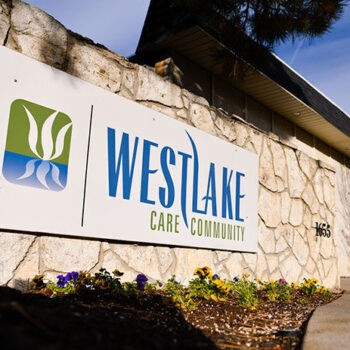
Westlake Care Community
Lakewood, CO
 Assisted Living
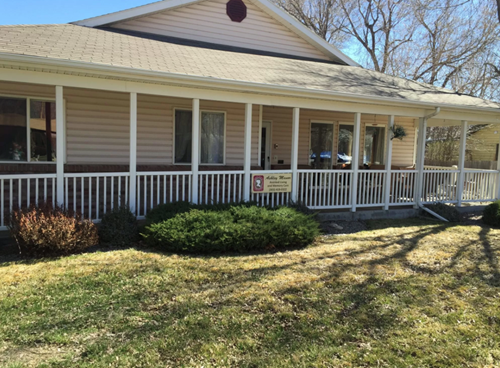
Ashley Manor - Saulsbury
Lakewood, CO
 Assisted Living
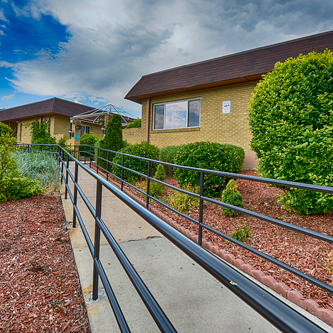
Sierra Rehabilitation And Care Community
Lakewood, CO
 Senior Care
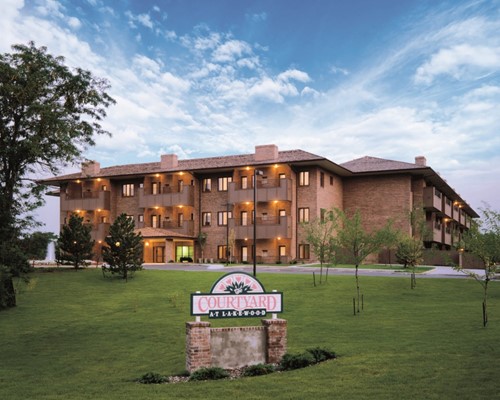
The Courtyard at Lakewood
Lakewood, CO
 Assisted Living
Ashley Manor - Yukon
Lakewood, CO
 Assisted Living
Mapleton Care Center
Lakewood, CO
City Guide
Explore Lakewood
Free Quotes
Get quotes from local pros in Lakewood
Tell us what you need and we’ll pass it to companies that serve your area. It’s free, and there’s no obligation.

Compare Lakewood with any city
See how it stacks up on cost, income, and quality of life.
Start Comparing