



City Profile
Denver, Colorado
USA · Comprehensive city data and intelligence
Denver, Colorado, known as the Mile High City, sits gracefully at the foot of the majestic Rocky Mountains, blending urban sophistication with a rugged outdoor lifestyle. Founded during the 1858 gold rush, the city has transformed from a frontier outpost into a booming, culturally vibrant metropolis characterized by over 300 days of sunshine annually. People flock to Denver for its unique combination of economic opportunity, progressive culture, and immediate access to world-class recreation, making it one of the most desirable urban centers in the American West.
Colorado is characterized by its diverse geography, ranging from the Rocky Mountains to the Eastern Plains, offering a lifestyle that blends natural beauty with community charm and extensive outdoor recreation opportunities. The state's economy is robust and diversified, with major industries including aerospace, bioscience, technology, energy and natural resources, financial services, and a strong tourism sector. Living in Colorado is generally more expensive than the national average, with housing costs being a primary driver. The climate is diverse, featuring four distinct seasons with abundant sunshine, though it can experience rapid weather shifts, including hot summers, cold winters, and occasional extreme weather events like flash floods and strong winds.
How this 60/100 was calculated five components, with every reading behind them
| Component | Readings used | Points | Weight | Contributes |
|---|---|---|---|---|
| Safety | Safety score: 65 / 100 | 65.0 | 30% | 19.5 |
| Affordability | Cost of living index (100 = national baseline): 106.0 | 36.3 | 25% | 9.1 |
| Economy & jobs | Median household income: $94,718 Income needed to live here: $65,000 Unemployment rate: 4.3% | 76.7 | 20% | 15.3 |
| Growth | Population growth rate: 0.9% Job growth rate: 2.2% | 55.8 | 15% | 8.4 |
| Business climate assessment | Business climate assessment: 75 / 100 | 75.0 | 10% | 7.5 |
| Overall score | 59.8 | |||
Provenance.
These figures were produced by the research pass recorded as
Gemini (Tier 1 (fast), q=72), last refreshed
11 October 2026.
They are researched estimates drawn from public sources, not a licensed data feed.
Each component is scored against fixed published endpoints, so this number is comparable with any other city and does not move as the dataset grows. Scoring framework 2026.10 — full methodology, weights and accepted ranges.

Featured Events
Happening in Denver
Featured and sponsored events in Denver.
Local Directory
Businesses in Denver
Featured local businesses in Denver.

Performance
Quality Scores
Expenses
Cost of Living
The cost of living in Denver sits roughly 6% above the national average, driven primarily by strong housing demand and dynamic population growth over the past decade. While everyday expenses like utilities and groceries remain relatively close to national benchmarks, housing costs—both for purchasing a home and renting an apartment—exert significant pressure on household budgets. Nevertheless, competitive local salaries and robust job opportunities in tech, aerospace, and finance help balance these elevated everyday costs for many residents.
Income
Salary Insights
Denver boasts a resilient and diversified economy anchored by key sectors such as aerospace, technology, financial services, healthcare, and tourism. Major employers ranging from aerospace giants to innovative tech startups fuel a dynamic job market that consistently outperforms many national averages. The remote work culture is exceptionally strong here, attracting digital nomads and entrepreneurs who value the city's collaborative workspaces and proximity to nature.
The average salary in Denver is $81,000 per year. You would need approximately $65,000 to live comfortably.
Employment
Top Industries
Weather
Climate
Mobility
Transport
Getting around Denver relies on a blend of highway commuting, the Regional Transportation District (RTD) light rail and bus network, and an expanding grid of bike lanes. While car ownership remains common for accessing weekend mountain getaways, the central neighborhoods boast high walkability and transit connectivity. Commute times average around 28 minutes, reflecting typical congestion along major arteries like I-25 and I-70 during peak travel hours.

At a Glance
Pros & Cons
Advantages
Drawbacks
Head to Head
Compare Denver
Community Q&A
Questions about Denver
What people ask about living in and moving to Denver, Colorado.
How are the public schools in Denver rated?
Denver’s public schools vary widely, with some districts receiving high ratings and others needing improvement. Performance is measured through state assessments, graduation rates, and college readiness metrics. Parents can review district reports, school rating sites, and visit schools to gauge fit. Additionally, the city’s education department publishes annual performance summaries.
What industries are growing in Denver?
Denver’s economy is diversifying with strong growth in technology, renewable energy, healthcare, and logistics. Many companies are expanding their Denver offices, creating roles for software developers, data analysts, and project managers. Check job boards and industry newsletters for openings, and consider networking at local tech meetups or career fairs.
Is Denver a safe place to live?
Denver’s safety score is 65 out of 100, indicating moderate risk. Crime rates differ by neighborhood, with some areas experiencing higher incidents of property crime. Residents often rely on neighborhood watch programs and local police precincts. Reviewing crime statistics from the city’s public safety department and visiting neighborhoods can help you assess safety for your specific needs.
How reliable is public transportation in Denver?
Denver offers a mix of bus routes and light rail lines that serve most of the city and surrounding suburbs. Service frequency varies by corridor, with peak hours seeing more frequent trains. Biking infrastructure is expanding, and many residents use scooters or car-sharing services for short trips. Check the city transit authority’s schedule and real-time apps for planning commutes.
What should I know about moving into Denver from out of state?
Plan your move by researching neighborhoods that match your budget and lifestyle. Consider the average rent and cost of living when setting a budget. Arrange for utilities, internet, and a local driver’s license within 90 days of arrival. It’s also wise to register your vehicle and update your voter registration. The city’s official website provides links to essential services and moving resources.
How does Denver's cost of living compare to my hometown?
Denver’s cost of living index is 106, meaning it’s about 6% higher than the national average. Housing, groceries, and dining are the main contributors. If you earn $81,000 a year, you’ll find that the average rent of $1,975 per month fits comfortably within that salary, leaving room for savings and discretionary spending. For a detailed breakdown, check the city’s economic reports or local cost calculators.
What is the average rent for a one-bedroom apartment in Denver?
The average rent for a one-bedroom in Denver is about $1,975 per month. Prices can vary by neighborhood, with some areas slightly above or below this average. Rent is typically split between utilities and other costs, so budget accordingly. For current listings, consult online rental platforms or local real estate agents.
What healthcare options are available near downtown Denver?
The downtown area hosts several hospitals and urgent care centers offering comprehensive emergency services. These facilities provide 24/7 care for medical emergencies, trauma, and specialized treatments. For insurance compatibility, consult your provider’s network list or the hospital’s patient services office. Visiting the city’s health department website can also provide a directory of local medical providers.
What is Denver’s climate like throughout the year?
Denver experiences a semi-arid climate with four distinct seasons. Summers can be hot and dry, while winters are cold with occasional snow. Spring and fall are mild and pleasant, ideal for outdoor activities. The city’s elevation contributes to significant temperature swings between day and night. Checking the local weather service will give you up-to-date forecasts and seasonal tips.
What outdoor activities can I do in Denver?
Denver’s proximity to the Rocky Mountains offers abundant hiking, mountain biking, and rock climbing opportunities within an hour’s drive. The city itself hosts parks, gardens, and riverwalks for casual strolls and picnics. Seasonal events like summer festivals, winter festivals, and farmers markets add cultural flavor. Local visitor guides and outdoor clubs list trail maps and event schedules.
Some answers here were drafted as a starting point and may be out of date. Live in Denver? Add your own.
FAQ
Frequently Asked Questions
Related
Insights about Denver
Businesses for Sale in Denver
Explore active acquisition & franchise opportunities .
 Independent
Profitable Italian Restaurant for Sale – Denver
Denver, Colorado
 Established Business
Artisan Bakery in Central Denver
Denver, Colorado
 Established Business
Licensed Daycare & Preschool in Denver
Denver, Colorado
 Ecommerce
 Store for Home Goods in Denver
Denver, Colorado
 Business for Sale
Summit Tech Solutions – Denver, Colorado
Denver, Colorado
Senior Care in Denver
119 assisted living, nursing & memory care facilities in Denver.
 Senior Care
Abundant Blessings and Care Assisted Living
Denver, CO
 Senior Care
Colavria Hospitality
Denver, CO
 Senior Care
Amada Senior Care
Denver, CO
 Senior Care
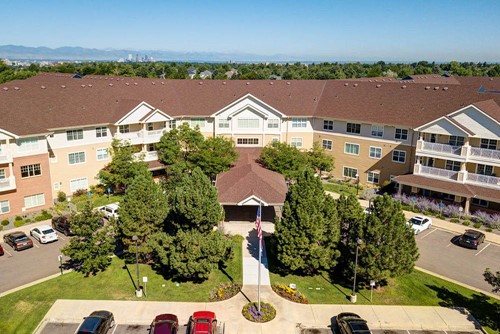
The Courtyards at Mountain View
Denver, CO
 Assisted Living
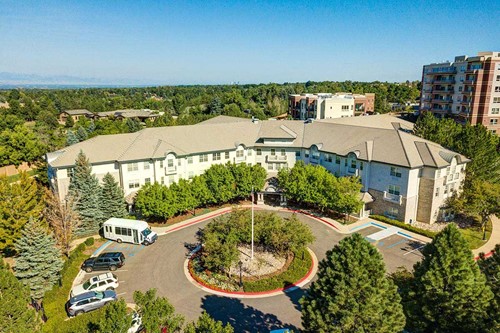
Belleview Suites at DTC
Denver, CO
 Senior Care
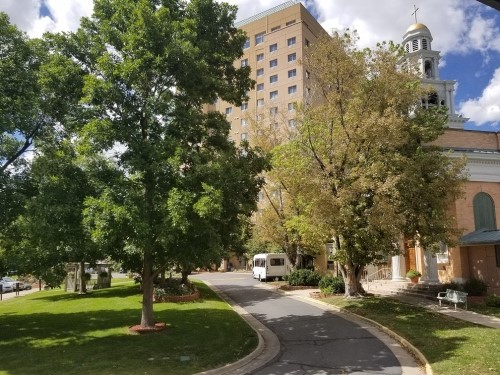
The Gardens at St. Elizabeth
Denver, CO
 Assisted Living
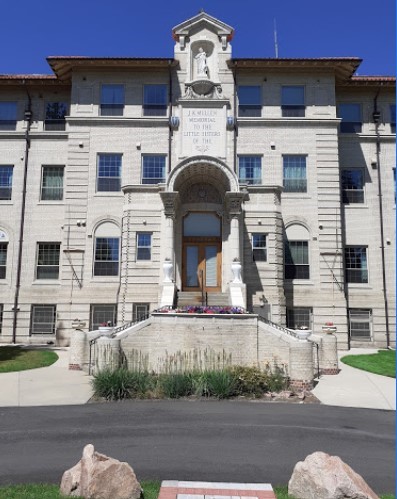
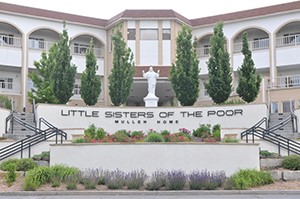
Little Sisters Of The Poor - Mullen Home
Denver, CO
 Senior Care
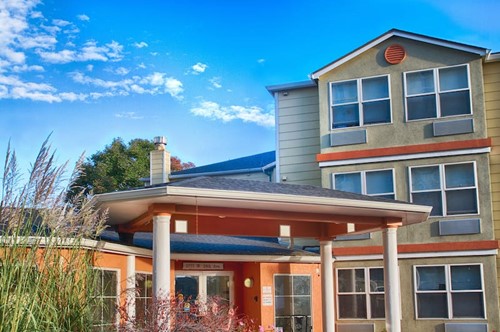
Little Sisters of the Poor - Mullen Home Independent Living
Denver, CO
 Assisted Living
Dayspring Villa
Denver, CO
 Senior Care
Everleigh Central Park
Denver, CO
 Assisted Living
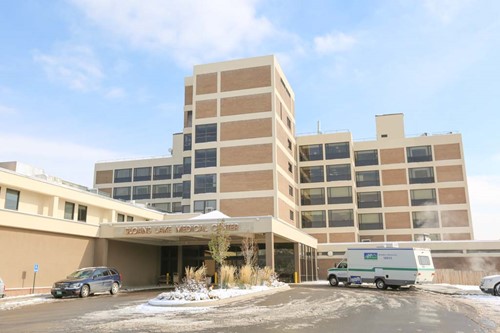
Sloan's Lake Rehabilitation Center
Denver, CO
 Assisted Living
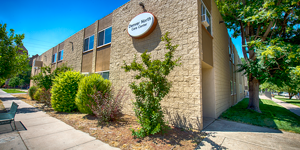
Denver North Care Center
Denver, CO
City Guide
Explore Denver
Free Quotes
Get quotes from local pros in Denver
Tell us what you need and we’ll pass it to companies that serve your area. It’s free, and there’s no obligation.

Compare Denver with any city
See how it stacks up on cost, income, and quality of life.
Start Comparing