



City Profile
Parker, Colorado
USA · Comprehensive city data and intelligence
Parker, Colorado is a vibrant home rule municipality located in Douglas County, situated at the southeastern edge of the Denver metropolitan area. Originally established as a small waypoint and stagecoach stop along the Smoky Hill Trail in the 1860s, it has evolved into one of the state's most sought-after residential communities. Known for its distinct Western-Victorian downtown streetscape, open-air cultural venues, and extensive municipal park systems, Parker successfully balances a small-town heritage with modern suburban growth. Families and professionals are drawn to the area for its exceptional school systems, community-focused lifestyle, and striking views of the nearby Rocky Mountains.
Colorado is characterized by its diverse geography, ranging from the Rocky Mountains to the Eastern Plains, offering a lifestyle that blends natural beauty with community charm and extensive outdoor recreation opportunities. The state's economy is robust and diversified, with major industries including aerospace, bioscience, technology, energy and natural resources, financial services, and a strong tourism sector. Living in Colorado is generally more expensive than the national average, with housing costs being a primary driver. The climate is diverse, featuring four distinct seasons with abundant sunshine, though it can experience rapid weather shifts, including hot summers, cold winters, and occasional extreme weather events like flash floods and strong winds.
How this 66/100 was calculated five components, with every reading behind them
| Component | Readings used | Points | Weight | Contributes |
|---|---|---|---|---|
| Safety | Safety score: 82 / 100 | 82.0 | 30% | 24.6 |
| Affordability | Cost of living index (100 = national baseline): 122.0 | 16.3 | 25% | 4.1 |
| Economy & jobs | Median household income: $133,369 Income needed to live here: $75,000 Unemployment rate: 3% | 93.8 | 20% | 18.8 |
| Growth | Population growth rate: 2.45% Job growth rate: 2.2% | 75.1 | 15% | 11.3 |
| Business climate assessment | Business climate assessment: 75 / 100 | 75.0 | 10% | 7.5 |
| Overall score | 66.2 | |||
Provenance.
These figures were produced by the research pass recorded as
Tier 1 (fast) (q=66, partial — below threshold), last refreshed
11 October 2026.
They are researched estimates drawn from public sources, not a licensed data feed.
Each component is scored against fixed published endpoints, so this number is comparable with any other city and does not move as the dataset grows. Scoring framework 2026.10 — full methodology, weights and accepted ranges.

Featured Events
Happening in Parker
Featured and sponsored events in Parker.
Local Directory
Businesses in Parker
Featured local businesses in Parker.

Performance
Quality Scores
Expenses
Cost of Living
The cost of living in Parker is notably higher than the national average, driven largely by elevated real estate values and strong demand in Douglas County. Housing costs, including both home purchases and rental rates, represent the largest budget hurdle for residents, often running significantly above standard U.S. benchmarks. However, certain everyday expenses such as utility rates and local transportation costs remain relatively close to or slightly below national norms, offering some balance. Residents generally find that the premium paid for living here is offset by high-tier public infrastructure, safety, and community services.
Income
Salary Insights
Parker features a resilient local economy anchored by robust sectors in healthcare, professional services, retail trade, and education. While a substantial portion of the resident workforce commutes into the broader Denver tech and business corridors, local employment is anchored by major regional healthcare networks like AdventHealth Parker, alongside local education and municipal services. The area supports a thriving entrepreneurial ecosystem and boasts strong rates of new business growth, accommodating a sizable remote-work population seeking a family-friendly environment with high connectivity.
The average salary in Parker is $88,000 per year. You would need approximately $75,000 to live comfortably.
Employment
Top Industries
Weather
Climate
Mobility
Transport
Transportation in Parker is predominantly car-dependent, with most residents relying on personal vehicles for daily commuting and errands. Major thoroughfares such as State Highway 83 and E-470 provide direct access to the wider Denver metropolitan area, Denver International Airport, and the Denver Tech Center. While regional bus options and limited local transit exist through RTD (Regional Transportation District), pedestrian and bike infrastructure is heavily concentrated around residential cores and downtown trails rather than functioning as full commuter alternatives.

At a Glance
Pros & Cons
Advantages
Drawbacks
Head to Head
Compare Parker
Community Q&A
Questions about Parker
What people ask about living in and moving to Parker, Colorado.
FAQ
Frequently Asked Questions
Senior Care in Parker
12 assisted living, nursing & memory care facilities in Parker.
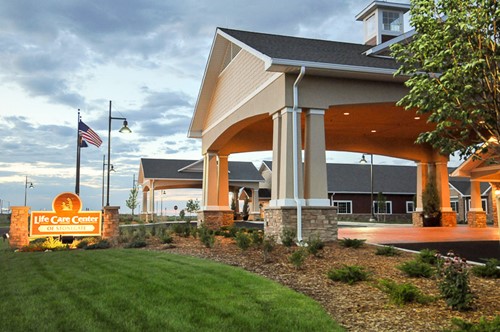 Assisted Living
Life Care Center Of Stonegate
Parker, CO
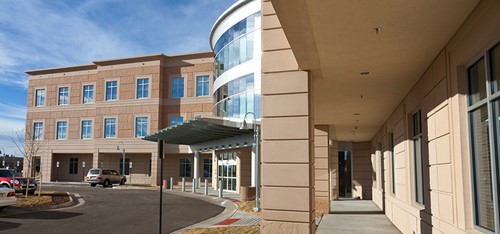 Assisted Living
The Center At Lincoln
Parker, CO
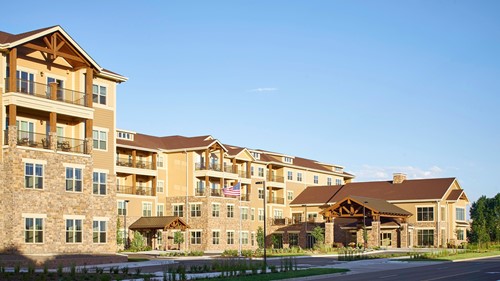 Senior Care
MorningStar Senior Living of Parker
Parker, CO
Pine Grove Crossing
Parker, CO
The Suites - Parker
Parker, CO
Solange at Grouseberry
Parker, CO
Lincoln Meadows Senior Living
Parker, CO
Senior Living at Sierra Ridge
Parker, CO
FirstLight Home Care - Parker
Parker, CO
Victorian House
Parker, CO
Square Peg Therapies LLC
Parker, CO
Colorado Assisted Living Homes - Parker
Parker, CO
Free Quotes
Get quotes from local pros in Parker
Tell us what you need and we’ll pass it to companies that serve your area. It’s free, and there’s no obligation.

Compare Parker with any city
See how it stacks up on cost, income, and quality of life.
Start Comparing