



City Profile
Aurora, Colorado
USA · Comprehensive city data and intelligence
Aurora, Colorado, is a sprawling and diverse city situated just east of Denver, serving as a significant economic and cultural hub in the Front Range Urban Corridor. Originally platted as Fletcher in 1891, it was later renamed Aurora and has experienced substantial growth, particularly after World War II. The city is known for its expansive suburban character, offering a blend of residential neighborhoods, commercial centers, and vast open spaces. People are drawn to Aurora for its relative affordability compared to its larger neighbor, Denver, its access to major employment centers, and its proximity to the natural beauty and recreational opportunities of the Rocky Mountains. The community is characterized by its cultural diversity, with a wide array of ethnic restaurants, shops, and community events that reflect its multicultural population.
Colorado is characterized by its diverse geography, ranging from the Rocky Mountains to the Eastern Plains, offering a lifestyle that blends natural beauty with community charm and extensive outdoor recreation opportunities. The state's economy is robust and diversified, with major industries including aerospace, bioscience, technology, energy and natural resources, financial services, and a strong tourism sector. Living in Colorado is generally more expensive than the national average, with housing costs being a primary driver. The climate is diverse, featuring four distinct seasons with abundant sunshine, though it can experience rapid weather shifts, including hot summers, cold winters, and occasional extreme weather events like flash floods and strong winds.
How this 57/100 was calculated five components, with every reading behind them
| Component | Readings used | Points | Weight | Contributes |
|---|---|---|---|---|
| Safety | Safety score: 45 / 100 | 45.0 | 30% | 13.5 |
| Affordability | Cost of living index (100 = national baseline): 103.0 | 40.0 | 25% | 10.0 |
| Economy & jobs | Median household income: $93,837 Income needed to live here: $41,621 Unemployment rate: 3.9% | 88.1 | 20% | 17.6 |
| Growth | Population growth rate: 1.4% Job growth rate: 1.71% | 57.1 | 15% | 8.6 |
| Business climate assessment | Business climate assessment: 70 / 100 | 70.0 | 10% | 7.0 |
| Overall score | 56.7 | |||
Provenance.
These figures were produced by the research pass recorded as
Gemini (Tier 3 (deep think), q=78), last refreshed
22 August 2026.
They are researched estimates drawn from public sources, not a licensed data feed.
Each component is scored against fixed published endpoints, so this number is comparable with any other city and does not move as the dataset grows. Scoring framework 2026.10 — full methodology, weights and accepted ranges.

Featured Events
Happening in Aurora
Featured and sponsored events in Aurora.
Local Directory
Businesses in Aurora
Featured local businesses in Aurora.

Performance
Quality Scores
Expenses
Cost of Living
The cost of living in Aurora, Colorado, is generally considered to be slightly higher than the national average, with an index of 103. While housing expenses are reported to be 5% lower than the national average, and utility prices are 13% lower, grocery prices are about 2% higher. Transportation expenses, including gas prices and bus fares, are approximately 2% lower than the national average. However, healthcare costs in Aurora are notably higher, estimated to be 19% above the national average. These factors contribute to a cost of living that, while more affordable than Denver, still requires careful budgeting for residents.
Income
Salary Insights
Aurora's economy is robust and diverse, employing a significant workforce across various sectors. In 2024, the city's employment grew at a rate of 1.71%, with approximately 209,000 employees. The leading industries in Aurora include Health Care & Social Assistance, Retail Trade, and Construction, which collectively employ a large number of residents. The education and health services industry is a major employer, with the Anschutz Medical Campus being a significant economic driver. The annual average wage for an Aurora-based job was $77,330.55 in 2025. Remote work has also seen a significant increase, with more than 16% of Aurora workers working from home, a figure that has tripled since 2019.
The average salary in Aurora is $61,855 per year. You would need approximately $41,621 to live comfortably.
Employment
Top Industries
Weather
Climate
Mobility
Transport
Transportation in Aurora is largely car-dependent, with over two-thirds of workers driving alone to their jobs. The average commute time for residents is approximately 29 minutes. While public transportation options exist, with a Transit Score of 43, they are considered somewhat limited for extensive city-wide travel. The city has a Walk Score of 43, indicating that most errands require a car, though some neighborhoods, like City Center, offer better walkability. A Bike Score of 55 suggests some bike infrastructure is available. The Regional Transportation District (RTD) provides bus and light rail services, with a monthly pass costing $88 in 2024.

At a Glance
Pros & Cons
Advantages
Drawbacks
Community Q&A
Questions about Aurora
What people ask about living in and moving to Aurora, Colorado.
How are the public schools in Aurora rated?
Aurora’s public schools vary across the district, with some schools receiving above-average ratings and others performing at the state average. The district’s official website provides detailed performance reports, school ratings, and enrollment data. Visiting schools and speaking with parents can also give a clearer picture.
What healthcare facilities are in Aurora?
Aurora hosts several hospitals and specialty clinics that provide a range of services from primary care to advanced treatments. The city’s health department website lists facility locations, services offered, and patient reviews. For specific medical needs, consult the department’s directory or ask your insurance provider.
What should I know about moving into Aurora from out of state?
When moving to Aurora, consider the higher cost of living and the need to find suitable housing within your budget. Check local rental listings early, budget for a higher rent of around $1,715/month, and research neighborhoods for safety and commute times. It’s also helpful to connect with local community groups online to learn about the area’s culture and resources.
What’s the overall vibe of living in Aurora?
Aurora blends suburban neighborhoods with urban amenities. You’ll find quiet residential streets alongside shopping centers, restaurants, and cultural venues. The city’s diverse population and proximity to Denver give residents a mix of relaxed living and easy access to city life. Visiting different parts of Aurora can give you a feel for the various community styles.
What’s the average salary for a software engineer in Aurora?
The average salary in Aurora is $61,855 per year. While this is a city-wide average, tech roles often earn above this figure. If your offer is close to or above the median, it’s competitive. For a detailed comparison, look at salary data from local job boards or industry reports.
What are the top outdoor activities in Aurora?
Aurora features numerous parks, trails, and recreational areas. You can explore local nature preserves, bike paths, and community gardens. The city’s parks and recreation department provides maps, event schedules, and trail difficulty ratings to help you choose the best outdoor experiences.
How does Aurora's cost of living compare to the national average?
Aurora’s cost of living index is 103, which means expenses are about 3% above the national average. Housing, groceries, and utilities are modestly higher, but overall the difference is not large. When planning a budget, adjust your rent and food costs upward by a few percent, but you’ll still find the city affordable compared to many other Colorado metros.
What’s the average rent for a one-bedroom apartment in Aurora?
The average rent for a one-bedroom apartment in Aurora is $1,715 per month. This figure reflects the current market and can vary by neighborhood and building amenities. For the most accurate listings, check local rental sites or the city’s housing portal.
Is Aurora a safe place to live?
Aurora has a safety score of 45.0 out of 100, which is below the national average. Crime rates are higher in certain areas, especially near major transportation hubs. It’s wise to research neighborhood-specific crime statistics on the city’s public safety portal and talk to local residents for firsthand insight.
What public transportation options are available in Aurora?
Aurora is served by a regional transit authority that offers bus routes connecting to Denver and surrounding suburbs. There are also commuter rail lines that link the city to downtown Denver. Check the transit authority’s website for route maps, schedules, and fare information.
Some answers here were drafted as a starting point and may be out of date. Live in Aurora? Add your own.
FAQ
Frequently Asked Questions
Businesses for Sale in Aurora
Explore active acquisition & franchise opportunities .
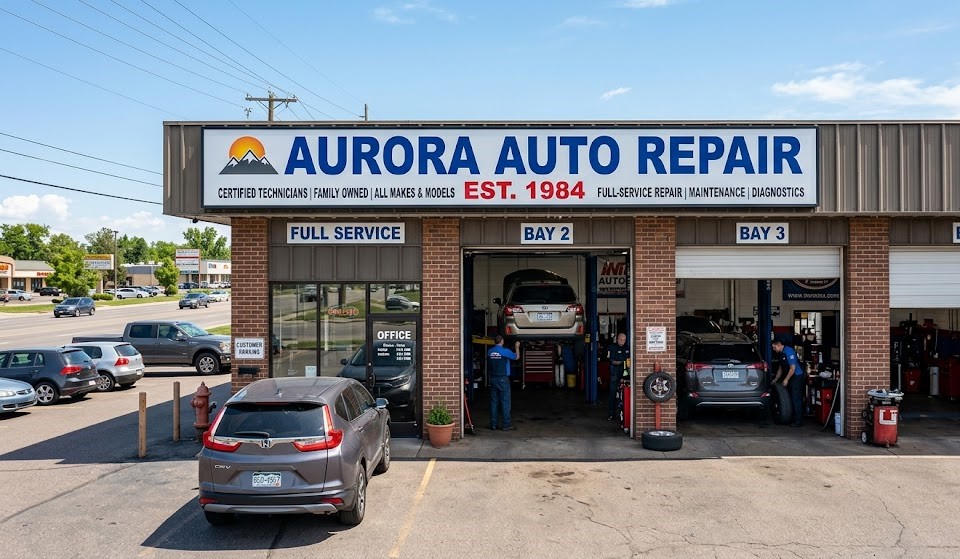

Senior Care in Aurora
92 assisted living, nursing & memory care facilities in Aurora.
 Senior Care
2nd Home Adult Community Center - Iliff
Aurora, CO
 Senior Care
Colorado Spirit Adult Daycare
Aurora, CO
 Senior Care
Adult Day Care Services of Colorado
Aurora, CO
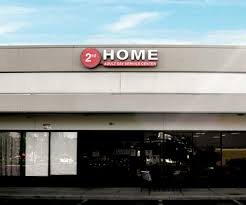 Senior Care
2nd Home Adult Community Center - Iliff
Aurora, CO
 Senior Care
Genuine Home Care Agency
Aurora, CO
 Assisted Living
Aviva At Fitzsimons
Aurora, CO
 Assisted Living
University Heights Rehab And Care Community
Aurora, CO
 Assisted Living
Summit Rehabilitation And Care Community
Aurora, CO
 Assisted Living
Magnolia Place
Aurora, CO
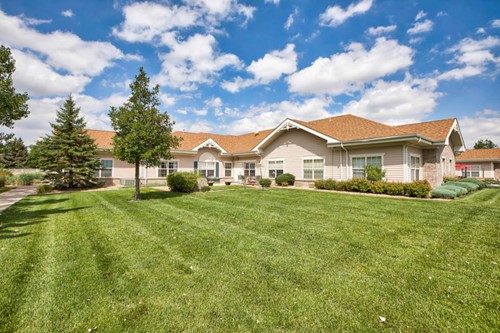 Assisted Living
Juniper Village at Aurora Memory Care
Aurora, CO
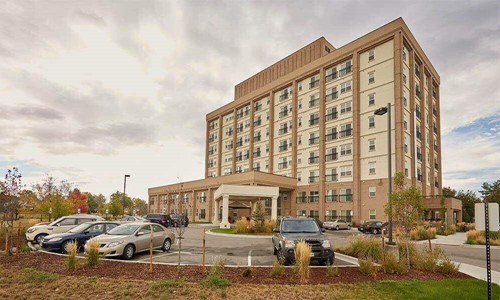 Senior Care
Bella Vita
Aurora, CO
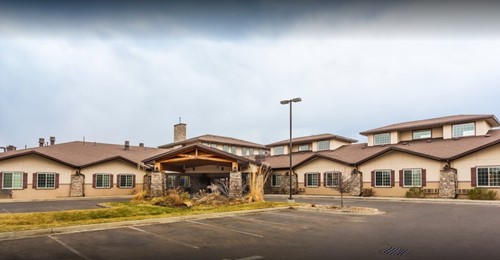 Assisted Living
Advanced Health Care of Aurora
Aurora, CO
Free Quotes
Get quotes from local pros in Aurora
Tell us what you need and we’ll pass it to companies that serve your area. It’s free, and there’s no obligation.

Compare Aurora with any city
See how it stacks up on cost, income, and quality of life.
Start Comparing