



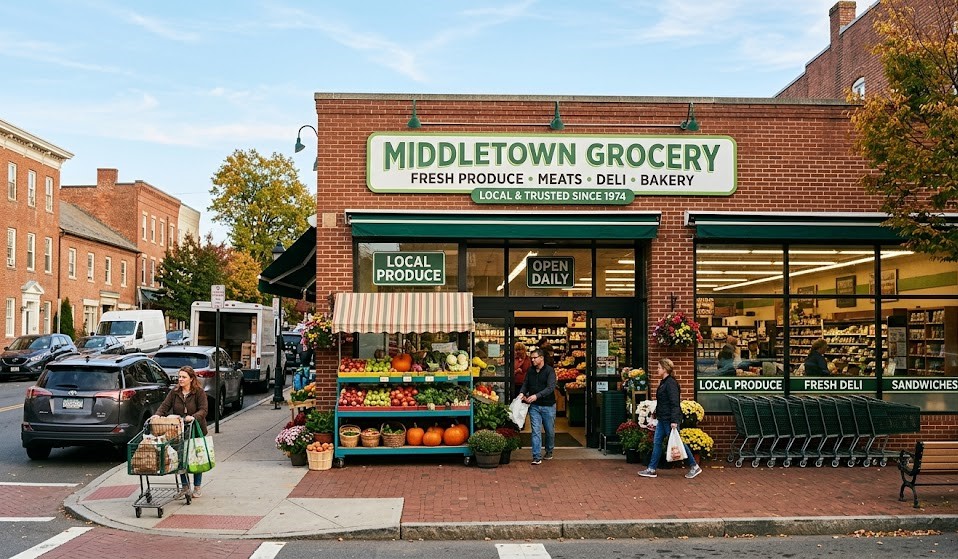
Middletown, Delaware, located in southern New Castle County, has evolved from a historic agricultural crossroads into one of the state's fastest-growing residential hubs. Known for its small-town charm paired with modern suburban development, the town attracts families and professionals seeking a quieter lifestyle within commuting distance of Wilmington, Philadelphia, and Baltimore. Its historic downtown district features preserved 19th-century architecture, local boutiques, and vibrant community events that foster a strong sense of local identity.
Delaware, known as "The First State," offers a diverse character ranging from bustling urban centers like Wilmington to serene beaches and farmlands. Its economy is robust, heavily influenced by the finance and insurance sector, which contributes significantly to the state's GDP, alongside major industries such as chemical manufacturing, healthcare, and retail trade. Living in Delaware generally presents a moderate cost of living, often near the national average, with the advantage of no sales tax and relatively low property taxes. The state experiences a humid subtropical climate, characterized by hot, humid summers and mild winters, with precipitation distributed throughout the year. Residents can enjoy a lifestyle that blends small-town charm with access to major East Coast cities and abundant outdoor recreational opportunities.
How this 70/100 was calculated five components, with every reading behind them
| Component | Readings used | Points | Weight | Contributes |
|---|---|---|---|---|
| Safety | Safety score: 78 / 100 | 78.0 | 30% | 23.4 |
| Affordability | Cost of living index (100 = national baseline): 104.0 | 38.8 | 25% | 9.7 |
| Economy & jobs | Median household income: $105,000 Income needed to live here: $58,000 Unemployment rate: 4% | 87.5 | 20% | 17.5 |
| Growth | Population growth rate: 3.2% Job growth rate: 2.4% | 84.0 | 15% | 12.6 |
| Business climate assessment | Business climate assessment: 70 / 100 | 70.0 | 10% | 7.0 |
| Overall score | 70.2 | |||
Provenance.
These figures were produced by the research pass recorded as
Tier 3 (deep think) (q=54, partial — below threshold), last refreshed
15 October 2026.
They are researched estimates drawn from public sources, not a licensed data feed.
Each component is scored against fixed published endpoints, so this number is comparable with any other city and does not move as the dataset grows. Scoring framework 2026.10 — full methodology, weights and accepted ranges.

Featured Events
Happening in Middletown
Featured and sponsored events in Middletown.
Local Directory
Businesses in Middletown
Featured local businesses in Middletown.

Performance
Quality Scores
Expenses
Cost of Living
The cost of living in Middletown sits slightly above the national average, largely driven by housing demand and proximity to major metropolitan job markets. While everyday goods and groceries align closely with typical U.S. pricing, housing and property-related expenses reflect the area's explosive growth and desirability. Utility and transportation costs remain moderate, though car ownership is practically essential for daily life.
Income
Salary Insights
Middletown's economy thrives on a mix of local retail, education, healthcare, and professional services, while many residents commute to Wilmington or Philadelphia for corporate and specialized employment. Major employers include the Appoquinimink School District, healthcare providers like ChristianaCare, and regional retail centers. The entrepreneurial climate is steady, supported by Delaware's business-friendly incorporation laws and a growing local commercial footprint.
The average salary in Middletown is $76,000 per year. You would need approximately $58,000 to live comfortably.
Employment
Top Industries
Weather
Climate
Mobility
Transport
Transportation in Middletown is heavily automobile-centric, with major routes like U.S. Route 301 and Route 71 serving as primary commuter arteries. Public transit options are limited primarily to regional bus services, making a car necessary for daily errands and commuting. Walkability is generally confined to the historic downtown core rather than the sprawling suburban developments.

At a Glance
Pros & Cons
Advantages
Drawbacks
Community Q&A
Questions about Middletown
What people ask about living in and moving to Middletown, Delaware.
FAQ
Frequently Asked Questions
Businesses for Sale in Middletown
Explore active acquisition & franchise opportunities .
Senior Care in Middletown
8 assisted living, nursing & memory care facilities in Middletown.
Visiting Angels - Dover
Middletown, DE
Cadia Rehabilitation Broadmeadow
Middletown, DE
Meadowcrest At Middletown Senior Living
Middletown, DE
Serenity Gardens Assisted Living
Middletown, DE
Visiting Angels - Dover
Middletown, DE
Cadia Rehabilitation Broadmeadow
Middletown, DE
Meadowcrest At Middletown Senior Living
Middletown, DE
Serenity Gardens Assisted Living
Middletown, DE
Free Quotes
Get quotes from local pros in Middletown
Tell us what you need and we’ll pass it to companies that serve your area. It’s free, and there’s no obligation.

Compare Middletown with any city
See how it stacks up on cost, income, and quality of life.
Start Comparing