



City Profile
Newark, Delaware
USA · Comprehensive city data and intelligence
Newark, Delaware, established in 1694, is a vibrant city primarily shaped by the presence of the University of Delaware. It blends historic charm with a youthful, energetic atmosphere, attracting a diverse population of students, faculty, and professionals. The city offers a mix of urban amenities and suburban tranquility, making it an appealing place for those seeking educational opportunities, a strong sense of community, and access to major East Coast cities. Its character is defined by its tree-lined streets, historic downtown, and a lively Main Street bustling with shops and restaurants.
Delaware, known as "The First State," offers a diverse character ranging from bustling urban centers like Wilmington to serene beaches and farmlands. Its economy is robust, heavily influenced by the finance and insurance sector, which contributes significantly to the state's GDP, alongside major industries such as chemical manufacturing, healthcare, and retail trade. Living in Delaware generally presents a moderate cost of living, often near the national average, with the advantage of no sales tax and relatively low property taxes. The state experiences a humid subtropical climate, characterized by hot, humid summers and mild winters, with precipitation distributed throughout the year. Residents can enjoy a lifestyle that blends small-town charm with access to major East Coast cities and abundant outdoor recreational opportunities.
How this 65/100 was calculated five components, with every reading behind them
| Component | Readings used | Points | Weight | Contributes |
|---|---|---|---|---|
| Safety | Safety score: 80 / 100 | 80.0 | 30% | 24.0 |
| Affordability | Cost of living index (100 = national baseline): 106.0 | 36.3 | 25% | 9.1 |
| Economy & jobs | Median household income: $76,912 Income needed to live here: $51,960 Unemployment rate: 3.6% | 82.5 | 20% | 16.5 |
| Growth | No usable reading — dataset average used | 56.4 | 15% | 8.5 |
| Business climate assessment | Business climate assessment: 68 / 100 | 68.0 | 10% | 6.8 |
| Overall score | 64.8 | |||
Provenance.
These figures were produced by the research pass recorded as
Gemini (Tier 2 (reasoned), q=98 ✓ perfect), last refreshed
24 August 2026.
They are researched estimates drawn from public sources, not a licensed data feed.
Each component is scored against fixed published endpoints, so this number is comparable with any other city and does not move as the dataset grows. Scoring framework 2026.10 — full methodology, weights and accepted ranges.

Featured Events
Happening in Newark
Featured and sponsored events in Newark.
Local Directory
Businesses in Newark
Featured local businesses in Newark.

Performance
Quality Scores
Expenses
Cost of Living
The cost of living in Newark, DE, is approximately 6.2% higher than the national average, primarily driven by housing expenses. While some costs like transportation are slightly lower than the national average, groceries and utilities tend to be higher. Housing, in particular, is about 10.5% more expensive than the national average, impacting both renters and potential homeowners. Despite these higher costs, the city's median household income helps to offset some of the financial burden for residents.
Income
Salary Insights
Newark's economy is significantly influenced by the education and healthcare sectors. The University of Delaware is a major employer, providing numerous academic and administrative positions. ChristianaCare's Christiana Hospital, a large regional medical center, also serves as a substantial source of employment in healthcare and social assistance. While specific job growth rates for 2026 were not available, the presence of these anchor institutions provides a stable economic base. The city's proximity to larger metropolitan areas also offers additional employment opportunities for residents.
The average salary in Newark is $51,024 per year. You would need approximately $51,960 to live comfortably.
Employment
Top Industries
Weather
Climate
Mobility
Transport
Getting around Newark primarily involves driving, though walkability and public transit options are available, especially around the university and downtown areas. The average commute time for residents is approximately 19 minutes. While a specific transit score was not found, the city's public transportation system, including DART First State, provides bus services connecting various parts of Newark and surrounding areas. The compact nature of the downtown and university campus makes these areas quite walkable.

At a Glance
Pros & Cons
Advantages
Drawbacks
Head to Head
Compare Newark
Community Q&A
Questions about Newark
What people ask about living in and moving to Newark, Delaware.
What are the main industries hiring in Newark?
Newark’s employment landscape is anchored by higher education, healthcare, and technology sectors. The presence of a major university drives demand for research, IT support, and administrative roles, while nearby medical facilities create jobs in health services and allied fields. Additionally, the region’s proximity to larger metropolitan areas supports a growing tech and professional services market. For job leads,...
How do public schools in Newark rank compared to the state average?
Newark’s public schools are administered by the county school district, which publishes performance data on its website. Overall, the district’s test scores and graduation rates tend to align with the state average, with some schools performing above average in STEM subjects due to partnerships with local higher‑education institutions. To evaluate specific schools, review the district’s annual report cards, visit sch...
Is Newark considered a safe place to live?
Newark carries a safety score of 80 out of 100, indicating a relatively safe environment compared to many U.S. cities. The city’s police department publishes crime statistics on its official site, breaking down incidents by type and neighborhood. While most residential areas experience low levels of violent crime, property crime can be higher near commercial districts and the university campus. Prospective residents...
What is the typical rent for a one‑bedroom apartment in Newark?
In Newark, the average rent for a one‑bedroom unit is about $1,649 per month. This figure reflects the overall market and can vary by location, building age, and amenities. Neighborhoods closer to the university or downtown tend to be pricier, while areas farther out may offer lower rates. To get a realistic sense of current listings, check online rental platforms, local property management websites, or the city's ho...
What public transportation options are available in Newark?
Newark is served by a regional transit authority that operates bus routes connecting the city to surrounding towns and major highways. The system includes frequent downtown loops, commuter lines to nearby metropolitan areas, and a campus shuttle network that is open to the public for a fee. Schedules and fare information are posted on the transit authority’s website, and mobile apps provide real‑time tracking. For lo...
Where can I find primary care doctors and hospitals in Newark?
The city’s healthcare landscape includes several primary‑care clinics and a major medical center that provides emergency services, specialty care, and outpatient facilities. The county health department’s website lists licensed providers, their specialties, and patient satisfaction scores. For urgent care, there are walk‑in clinics located near commercial corridors that operate extended hours. Insurance networks can...
What recreational activities are popular in Newark?
Newark offers a mix of cultural, outdoor, and community events. The city maintains parks with walking trails, sports fields, and playgrounds, and the nearby riverfront provides opportunities for kayaking and fishing. Seasonal festivals, farmers’ markets, and art walks are organized by the city’s cultural affairs office and are listed on the municipal calendar. The university’s performance venues host concerts, theate...
What utilities should I set up before moving to Newark?
When relocating to Newark, you’ll need to arrange electricity, natural gas (if applicable), water and sewer, trash collection, and internet/phone service. The city’s public works department provides information on the local water authority and waste management schedules. Utility providers for electricity and gas are listed on the state’s utility commission website, where you can compare rates and set up service start...
How does the cost of living in Newark compare to the national average?
Newark’s cost‑of‑living index is 106, meaning overall expenses are about 6 % higher than the U.S. average. With an average annual salary of $51,024, a single household can expect to spend a larger portion of income on housing, given the average rent of $1,649 per month. Other categories such as groceries, transportation, and healthcare are close to national norms, but the higher index reflects the combined effect of...
Some answers here were drafted as a starting point and may be out of date. Live in Newark? Add your own.
FAQ
Frequently Asked Questions
Businesses for Sale in Newark
Explore active acquisition & franchise opportunities .

Senior Care in Newark
34 assisted living, nursing & memory care facilities in Newark.
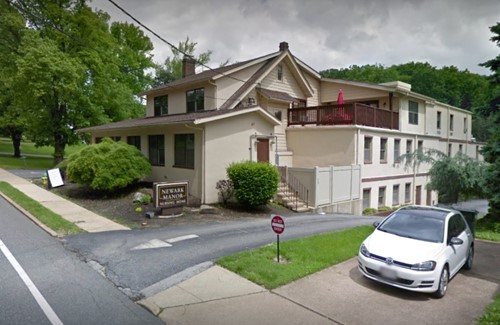 Assisted Living
Newark Manor Nursing Home
Newark, DE
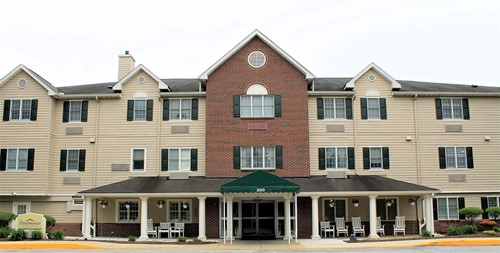 Senior Care
Paramount Senior Living at Newark
Newark, DE
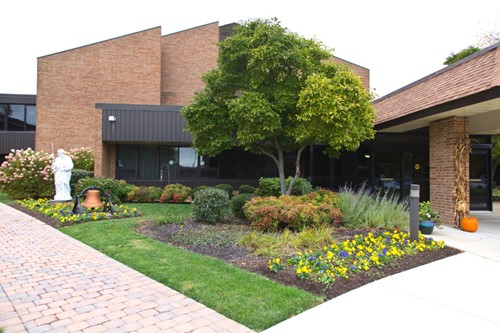 Assisted Living
Jeanne Jugan Residence
Newark, DE
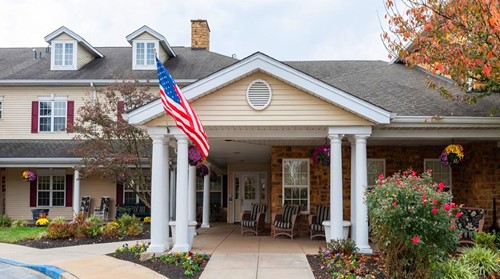 Assisted Living
Somerford House & Place Newark
Newark, DE
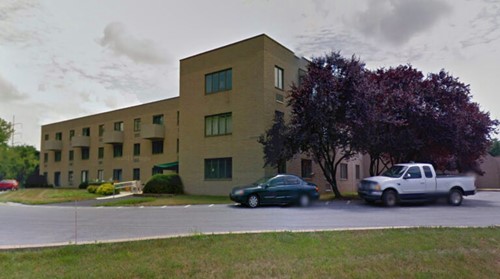 Assisted Living
Churchman Village
Newark, DE
Assisted Living
Newark Manor Nursing Home
Newark, DE
Senior Care
Paramount Senior Living at Newark
Newark, DE
Assisted Living
Jeanne Jugan Residence
Newark, DE
Assisted Living
Somerford House & Place Newark
Newark, DE
Assisted Living
Churchman Village
Newark, DE
Exceptional Care For Children
Newark, DE
Millcroft
Newark, DE
City Guide
Explore Newark
Free Quotes
Get quotes from local pros in Newark
Tell us what you need and we’ll pass it to companies that serve your area. It’s free, and there’s no obligation.

Compare Newark with any city
See how it stacks up on cost, income, and quality of life.
Start Comparing