



City Profile
Cape Coral, Florida
USA · Comprehensive city data and intelligence
Cape Coral, Florida, is a rapidly growing master-planned city located in Lee County, renowned for its extensive network of over 400 miles of navigable canals. Founded in 1957 by real estate developers Leonard and Jack Rosen, the city was originally marketed as a master-planned waterfront wonderland. Today, it has evolved into one of the largest cities in the state by land area, attracting families, retirees, and professionals seeking a relaxed Florida lifestyle. Its unique layout offers a vast array of waterfront properties with direct or indirect access to the Gulf of Mexico, distinguishing it from traditional mainland municipalities.
Florida, known as the "Sunshine State," offers a diverse character with a laid-back beach culture and vibrant city life, attracting a mix of residents including many transplants. Its economy, the fourth largest in the U.S. as of 2024, is driven by major industries such as tourism, real estate, agriculture, aerospace and aviation, financial services, and healthcare and life sciences. Living in Florida generally entails a cost of living slightly higher than the national average, though it varies by city, with an average annual cost around $50,689 per person. The climate is characterized by hot, humid summers and mild winters, with abundant sunshine year-round, fostering an outdoor-oriented lifestyle. Florida also boasts a tax-friendly environment with no state income tax.
How this 67/100 was calculated five components, with every reading behind them
| Component | Readings used | Points | Weight | Contributes |
|---|---|---|---|---|
| Safety | Safety score: 78 / 100 | 78.0 | 30% | 23.4 |
| Affordability | Cost of living index (100 = national baseline): 104.0 | 38.8 | 25% | 9.7 |
| Economy & jobs | Median household income: $72,500 Income needed to live here: $58,000 Unemployment rate: 3.2% | 70.6 | 20% | 14.1 |
| Growth | Population growth rate: 2.4% Job growth rate: 3.1% | 83.5 | 15% | 12.5 |
| Business climate assessment | Business climate assessment: 70 / 100 | 70.0 | 10% | 7.0 |
| Overall score | 66.7 | |||
Provenance.
These figures were produced by the research pass recorded as
Tier 1 (fast) (q=54, partial — below threshold), last refreshed
15 October 2026.
They are researched estimates drawn from public sources, not a licensed data feed.
Each component is scored against fixed published endpoints, so this number is comparable with any other city and does not move as the dataset grows. Scoring framework 2026.10 — full methodology, weights and accepted ranges.

Featured Events
Happening in Cape Coral
Featured and sponsored events in Cape Coral.
Local Directory
Businesses in Cape Coral
Featured local businesses in Cape Coral.

Performance
Quality Scores
Expenses
Cost of Living
The cost of living in Cape Coral is slightly higher than the national average, largely driven by housing, insurance, and utility costs unique to Southwest Florida. While everyday expenses like groceries and local services align closely with typical U.S. benchmarks, the rapid influx of new residents over recent years has put upward pressure on real estate and rental markets. Homeowners also face distinct financial considerations related to property insurance and flood mitigation, which add to overall household expenditures.
Income
Salary Insights
Cape Coral's economy is primarily centered around construction, retail trade, healthcare, and professional services, reflecting its booming residential growth. Because a substantial portion of the workforce commutes to neighboring Fort Myers or engages in remote work, local employment often revolves around supporting the city's expanding population infrastructure. The healthcare sector, anchored by regional providers, is a major stable employer and key growth driver. Small business development and entrepreneurial ventures have also seen notable gains as the local commercial base expands.
The average salary in Cape Coral is $64,000 per year. You would need approximately $58,000 to live comfortably.
Employment
Top Industries
Weather
Climate
Mobility
Transport
Transportation in Cape Coral is heavily car-dependent, with a street grid system connected by numerous bridges crossing the city's vast canal network. Public transit options are limited primarily to local bus services provided by LeeTran, meaning the vast majority of residents rely on personal vehicles for daily commutes. Traffic congestion can bottleneck during peak morning and evening hours, particularly at major bridge crossings connecting to Fort Myers.

At a Glance
Pros & Cons
Advantages
Drawbacks
Head to Head
Compare Cape Coral
Community Q&A
Questions about Cape Coral
What people ask about living in and moving to Cape Coral, Florida.
What is the average rent for a one-bedroom apartment in Cape Coral?
The average rent for a one-bedroom apartment in Cape Coral is about $1,950 per month. This figure reflects the current market and is based on recent listings across the city. If you’re searching for options, look at local rental sites or contact real estate agents who specialize in the area. Keep in mind that prices can vary by proximity to waterfronts, amenities, and the age of the property.
How does Cape Coral's cost of living compare to the national average?
Cape Coral’s cost of living index is 104, meaning it is 4% higher than the national average. Housing costs, especially rent, are a significant factor. The average monthly rent is $1,950, which is slightly above the national median for similar-sized cities. Other expenses like groceries, transportation, and utilities are close to national averages, so overall living costs are modestly higher but manageable with a typi...
What kinds of jobs are most common in Cape Coral?
Cape Coral’s economy features a mix of service, retail, and hospitality roles. Logistics, transportation, and supply chain positions are common due to the city’s port and proximity to major highways. There are also opportunities in healthcare, education, and construction. For a detailed job market overview, consult the city’s economic development office or local job boards that list openings by industry.
How are the public schools in Cape Coral rated?
Public schools in Cape Coral are managed by a district that offers a range of elementary, middle, and high schools. Performance varies by school; some have strong academic programs and extracurricular activities, while others are in transition. To get the most accurate and up-to-date ratings, review the district’s website, which publishes annual report cards and parent reviews. Visiting schools and speaking with admi...
Is Cape Coral a safe place to live?
Cape Coral has a safety score of 78 out of 100, which indicates a relatively safe environment compared to many U.S. cities. The city’s crime statistics show lower rates of violent crime and a moderate level of property crime. Neighborhoods vary, so it’s wise to look at local crime maps and talk to residents in specific areas. Community policing efforts and neighborhood watch programs are active in many parts of the c...
What public transportation options are available in Cape Coral?
Cape Coral is served by a city transit authority that offers bus routes connecting residential areas with commercial centers, medical facilities, and nearby towns. The schedule is designed to accommodate peak commuting hours, and fares are affordable. For detailed route maps, timetables, and fare information, visit the transit authority’s website or contact their customer service. Ride‑share services also operate in...
What are the top outdoor activities in Cape Coral?
Cape Coral is known for its extensive canal system and proximity to the Gulf of Mexico, making boating, fishing, and kayaking popular. The city also offers parks with walking trails, playgrounds, and picnic areas. During the warmer months, community events and festivals often take place on waterfronts or in local parks. Checking the city’s events calendar can help you discover seasonal activities and community gather...
What should I know about moving into Cape Coral?
When moving to Cape Coral, consider the timing of the hurricane season (June to November) and plan for potential weather disruptions. Secure a reliable moving company that has experience with coastal moves. Check local regulations regarding permits for large vehicles and parking. It’s also helpful to set up utilities—electric, water, internet—before arrival. Finally, familiarize yourself with the city’s zoning and bu...
What healthcare facilities are in Cape Coral?
Cape Coral hosts several medical centers that provide primary care, urgent care, and specialty services. These facilities include general hospitals, outpatient clinics, and specialty practices for areas such as cardiology and orthopedics. Most providers accept a range of insurance plans. To find the best fit for your needs, check the city’s health department website for a directory of licensed facilities and read pat...
What is the average salary in Cape Coral?
The average annual salary in Cape Coral is $64,000. This figure represents the median earnings across all industries in the city. If you’re evaluating a specific job offer, compare the salary to this benchmark and consider cost-of-living adjustments. The city’s economic development office publishes detailed labor statistics that can help you assess how your compensation stacks up against local averages.
Some answers here were drafted as a starting point and may be out of date. Live in Cape Coral? Add your own.
FAQ
Frequently Asked Questions
Senior Care in Cape Coral
21 assisted living, nursing & memory care facilities in Cape Coral.
 Senior Care
LOVING HEART ADULT DAY CARE INC
Cape Coral, FL
 Senior Care
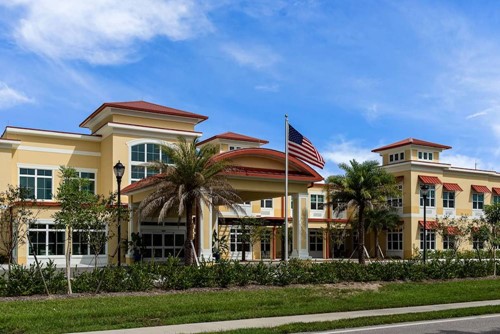
Choices In Living
Cape Coral, FL
 Senior Care
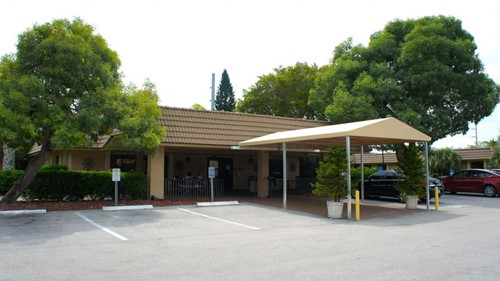
The Waters of Cape Coral
Cape Coral, FL
 Assisted Living
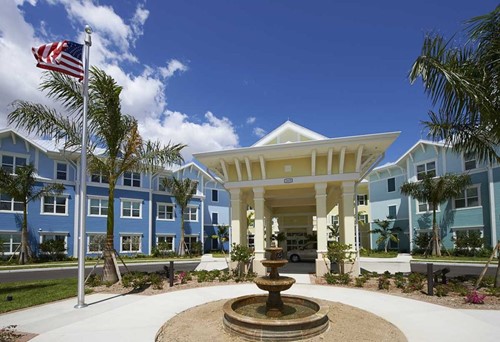
Rehab & Healthcare Center Of Cape Coral
Cape Coral, FL
 Assisted Living
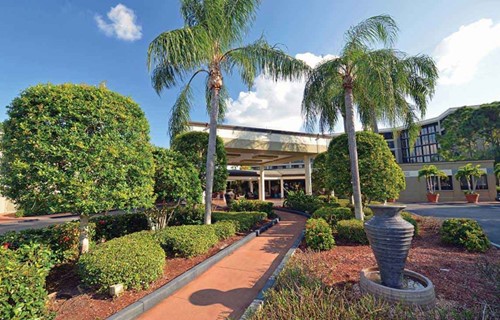
Palm View at Gulf Coast
Cape Coral, FL
 Assisted Living
Gulf Coast Village Skilled Nursing
Cape Coral, FL
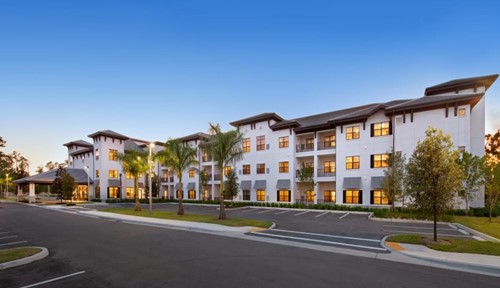 Senior Care
High Point at Cape Coral
Cape Coral, FL
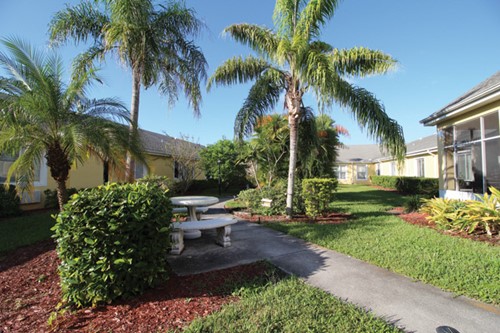 Assisted Living
Brookdale Cape Coral
Cape Coral, FL
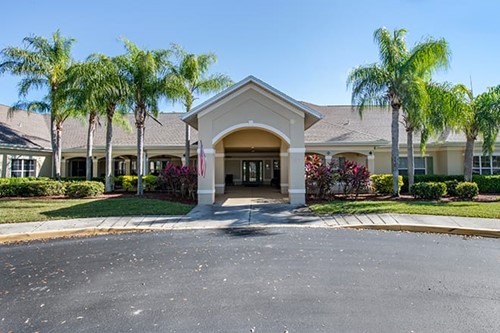 Assisted Living
Brookdale Santa Barbara
Cape Coral, FL
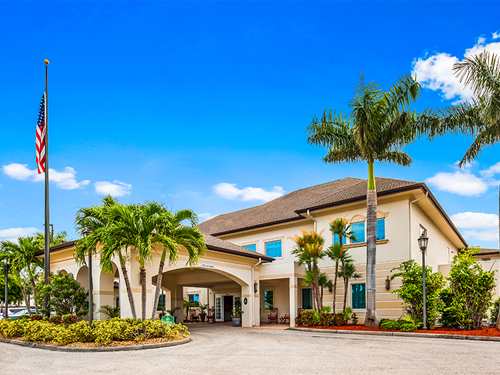 Assisted Living
The Windsor of Cape Coral
Cape Coral, FL
 Assisted Living
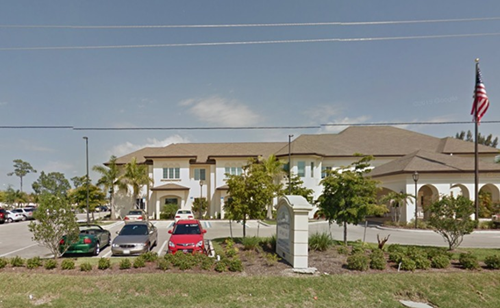
The Woodlands
Cape Coral, FL
 Assisted Living
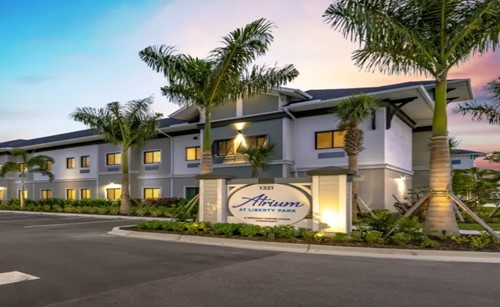
Atrium at Liberty Park
Cape Coral, FL
City Guide
Explore Cape Coral
Free Quotes
Get quotes from local pros in Cape Coral
Tell us what you need and we’ll pass it to companies that serve your area. It’s free, and there’s no obligation.

Compare Cape Coral with any city
See how it stacks up on cost, income, and quality of life.
Start Comparing