



City Profile
Savannah, Georgia
USA · Comprehensive city data and intelligence
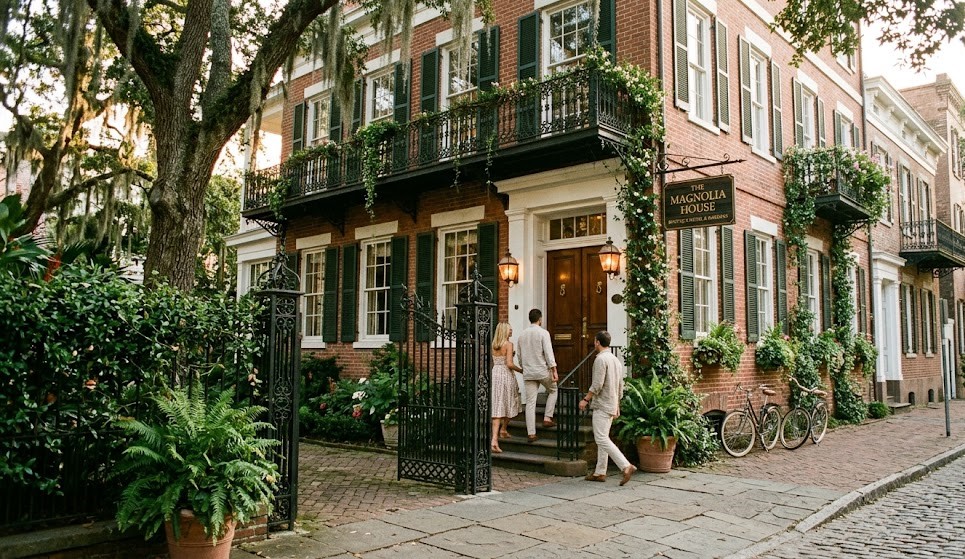
Founded in 1733 by James Oglethorpe, Savannah is America’s first planned city, renowned for its magnificent historic district, cobblestone streets, and a network of 22 verdant, moss-draped public squares. As the seat of Chatham County, it serves as the cultural and economic anchor of coastal Georgia, blending deep southern heritage with a thriving arts scene anchored by the Savannah College of Art and Design (SCAD). People are drawn to the city for its picturesque coastal beauty, mild year-round climate, relaxed pace of life, and vibrant culinary and architectural preservation movements.
Georgia, a southeastern U.S. state, is characterized by its Southern charm, diverse landscapes ranging from mountains to coastline, and a rich cultural blend of Native American, African American, and European influences. The state boasts a thriving and diverse economy with major industries including technology, manufacturing, logistics, agriculture (leading in pecans and blueberries, significant in peanuts and peaches), and a growing film and television production sector. Living in Georgia generally offers a lower cost of living compared to the national average, with mild winters and long, hot, humid summers, supporting a lifestyle that often includes abundant outdoor activities and a strong sense of community.
How this 61/100 was calculated five components, with every reading behind them
| Component | Readings used | Points | Weight | Contributes |
|---|---|---|---|---|
| Safety | Safety score: 65 / 100 | 65.0 | 30% | 19.5 |
| Affordability | Cost of living index (100 = national baseline): 96.0 | 48.8 | 25% | 12.2 |
| Economy & jobs | Median household income: $62,450 Income needed to live here: $52,000 Unemployment rate: 3.4% | 66.3 | 20% | 13.3 |
| Growth | Population growth rate: 1.1% Job growth rate: 2.4% | 60.3 | 15% | 9.0 |
| Business climate assessment | Business climate assessment: 70 / 100 | 70.0 | 10% | 7.0 |
| Overall score | 61.0 | |||
Provenance.
These figures were produced by the research pass recorded as
Tier 1 (fast) (q=54, partial — below threshold), last refreshed
15 October 2026.
They are researched estimates drawn from public sources, not a licensed data feed.
Each component is scored against fixed published endpoints, so this number is comparable with any other city and does not move as the dataset grows. Scoring framework 2026.10 — full methodology, weights and accepted ranges.

Featured Events
Happening in Savannah
Featured and sponsored events in Savannah.
Local Directory
Businesses in Savannah
Featured local businesses in Savannah.

Performance
Quality Scores
Expenses
Cost of Living
The cost of living in Savannah hovers slightly below the national average, making it an attractive destination for retirees, remote workers, and families seeking Southern charm without major metropolitan price tags. While housing costs in the historic downtown core have risen sharply due to tourism and demand, peripheral neighborhoods and surrounding Chatham County offer much more attainable pricing for both buyers and renters.
Income
Salary Insights
Savannah's economy is anchored by the Port of Savannah—one of the largest and fastest-growing container terminals in North America—alongside a booming tourism industry, manufacturing, aerospace, and higher education. Major employers include the Georgia Ports Authority, Gulfstream Aerospace, Memorial Health, and SCAD, which collectively provide a diversified employment base. The city also fosters a growing entrepreneurial and remote work ecosystem, benefiting from lower overhead costs and strong regional connectivity.
The average salary in Savannah is $61,000 per year. You would need approximately $52,000 to live comfortably.
Employment
Top Industries
Weather
Climate
Mobility
Transport
Savannah is a highly walkable and bikeable city within its grid-like historic core, though outlying suburbs require vehicular transport. The Chatham Area Transit (CAT) system provides bus services throughout the city and county, while the Savannah/Hilton Head International Airport connects the region globally. Traffic is generally manageable compared to major metros, though tourist-heavy weekends bring notable congestion downtown.

At a Glance
Pros & Cons
Advantages
Drawbacks
Head to Head
Compare Savannah
Community Q&A
Questions about Savannah
What people ask about living in and moving to Savannah, Georgia.
FAQ
Frequently Asked Questions
Businesses for Sale in Savannah
Explore active acquisition & franchise opportunities .
Senior Care in Savannah
5 assisted living, nursing & memory care facilities in Savannah.
 Senior Care
Spanish Oaks Hospice
Savannah, GA
 Senior Care
Abercorn Rehabilitation Center
Savannah, GA
 Senior Care
4Front Healthcare of Savannah
Savannah, GA
 Senior Care
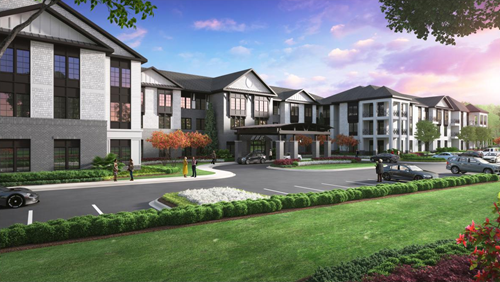
The Phoenix at Savannah (OPENING SPRING 2023)
Savannah, GA
Island Hospice, Inc
Savannah, GA
City Guide
Explore Savannah
Free Quotes
Get quotes from local pros in Savannah
Tell us what you need and we’ll pass it to companies that serve your area. It’s free, and there’s no obligation.

Compare Savannah with any city
See how it stacks up on cost, income, and quality of life.
Start Comparing