



City Profile
Fort Wayne, Indiana
USA · Comprehensive city data and intelligence
Fort Wayne, Indiana, is the second-largest city in the state and serves as the cultural and economic hub of northeastern Indiana. Founded at the confluence of three rivers—the St. Joseph, St. Marys, and Maumee—the city has a rich history rooted in its time as a major trading post and later as a bustling manufacturing center. Today, Fort Wayne is widely recognized for its high quality of life, family-friendly atmosphere, and ongoing downtown revitalization efforts anchored by the vibrant Promenade Park. People are increasingly drawn to the area for its welcoming midwestern community vibe, robust local economy, and remarkably accessible cost of living.
Indiana, known as the "Hoosier State," offers a practical and community-oriented lifestyle with a cost of living generally below the national average. Its economy is diverse, with major industries including advanced manufacturing (automotive, steel, pharmaceuticals, medical devices), agriculture (corn, soybeans, hogs), life sciences, and logistics. The state experiences a humid continental climate, characterized by hot, muggy summers and cold, snowy winters, with spring and fall offering more moderate temperatures. Residents often value a relaxed pace of life, strong community ties, and access to outdoor activities and major metropolitan areas.
How this 64/100 was calculated five components, with every reading behind them
| Component | Readings used | Points | Weight | Contributes |
|---|---|---|---|---|
| Safety | Safety score: 68 / 100 | 68.0 | 30% | 20.4 |
| Affordability | Cost of living index (100 = national baseline): 90.0 | 56.3 | 25% | 14.1 |
| Economy & jobs | Median household income: $64,500 Income needed to live here: $48,000 Unemployment rate: 3.8% | 72.7 | 20% | 14.5 |
| Growth | Population growth rate: 0.8% Job growth rate: 1.9% | 51.5 | 15% | 7.7 |
| Business climate assessment | Business climate assessment: 72 / 100 | 72.0 | 10% | 7.2 |
| Overall score | 63.9 | |||
Provenance.
These figures were produced by the research pass recorded as
Tier 2 (reasoned) (q=54, partial — below threshold), last refreshed
16 October 2026.
They are researched estimates drawn from public sources, not a licensed data feed.
Each component is scored against fixed published endpoints, so this number is comparable with any other city and does not move as the dataset grows. Scoring framework 2026.10 — full methodology, weights and accepted ranges.

Featured Events
Happening in Fort Wayne
Featured and sponsored events in Fort Wayne.
Local Directory
Businesses in Fort Wayne
Featured local businesses in Fort Wayne.

Performance
Quality Scores
Expenses
Cost of Living
The cost of living in Fort Wayne is significantly below the national average, making it one of the more economically accessible mid-sized cities in the United States. Housing expenses, in particular, remain well below coastal and major metro benchmarks, allowing residents to enjoy a high purchasing power relative to their income. Everyday expenses such as groceries, utilities, and transportation also track below national norms, easing financial pressures for families, young professionals, and retirees alike. This favorable financial climate is a primary driver behind the city's steady population growth and economic stability.
Income
Salary Insights
Fort Wayne features a diverse and resilient job market anchored by strong legacy sectors including manufacturing, healthcare, and logistics. Major employers such as Parkview Health, Lutheran Health Network, and General Motors provide a stable employment foundation, while a growing entrepreneurial scene fosters innovation and small business development. The city has also made strategic investments in advanced manufacturing, defense contracting, and insurance services, creating varied career pathways. While remote work adoption aligns with national trends, the local workforce benefits from a strong base of on-site and hybrid professional opportunities.
The average salary in Fort Wayne is $58,000 per year. You would need approximately $48,000 to live comfortably.
Employment
Top Industries
Weather
Climate
Mobility
Transport
Getting around Fort Wayne is predominantly car-dependent, with a well-maintained grid system and highway access via Interstate 69 and U.S. Routes 24, 30, and 33 ensuring manageable commute times. Public transportation is provided by Citilink, which operates a network of bus routes throughout the city, though service frequency varies outside core corridors. The city has made substantial investments in pedestrian and cycling infrastructure, particularly around downtown and the River Greenway trail network. Air travel is conveniently accessible via Fort Wayne International Airport, connecting residents to major national hubs.

At a Glance
Pros & Cons
Advantages
Drawbacks
Head to Head
Compare Fort Wayne
Community Q&A
Questions about Fort Wayne
What people ask about living in and moving to Fort Wayne, Indiana.
What public transportation options are available in Fort Wayne?
The city offers a local transit authority that provides bus routes covering most residential and commercial zones. Buses run on a regular schedule, with some routes connecting to regional rail lines and nearby airports. For detailed route maps, schedules, and fare information, visit the transit authority’s website or contact their customer service center.
What is the average rent for a one-bedroom apartment in Fort Wayne?
The average rent for a one-bedroom apartment in Fort Wayne is about $1,150 per month. This figure is typical for mid‑size apartments in the city’s central and surrounding areas. Rent can vary by neighborhood, building amenities, and lease length, so it’s wise to browse local listings on real estate websites or contact a local realtor for current market rates. Checking the city’s housing data portal can also give you...
How does the cost of living in Fort Wayne compare to the national average?
Fort Wayne’s cost of living index is 90, meaning expenses are roughly 10% lower than the national average. This includes groceries, utilities, housing, and transportation. While the average salary is $58,000 per year, you’ll find that lower housing costs and a modest cost of living help your paycheck go further. For a detailed comparison, you can consult cost‑of‑living calculators that use the city’s index.
What are some popular outdoor activities in Fort Wayne?
Fort Wayne features a network of parks, trails, and greenways that are ideal for hiking, biking, and birdwatching. Many parks have well‑maintained trails, picnic areas, and playgrounds. The city’s parks and recreation department publishes maps and event schedules on their website, which can help you plan visits to the most popular outdoor spots.
What should I know about moving into Fort Wayne?
When moving to Fort Wayne, consider the timing of your move to avoid peak rental demand. Research local moving companies that provide packing, transportation, and storage services. It’s also helpful to register your vehicle and obtain a driver’s license through the state’s motor vehicle office, which has an online portal for appointments. Finally, explore the city’s utility providers for electricity, water, internet,...
What types of jobs are most common in Fort Wayne?
Fort Wayne has a diverse economy with strong manufacturing, healthcare, education, and logistics sectors. Many employers in the city focus on production, assembly, and distribution roles. There are also opportunities in healthcare administration, teaching, and transportation services. To find current openings, look at local job boards, the city’s employment portal, and industry-specific career sites.
How are the public schools in Fort Wayne rated?
Public schools in Fort Wayne vary in performance, but many receive solid ratings in state assessments. The school district provides detailed reports on each school's academic metrics, extracurricular programs, and student‑teacher ratios. Visiting the district’s official website will give you access to school profiles, performance data, and enrollment information to help you choose the best fit for your children.
Is Fort Wayne a safe place to live?
Fort Wayne has a safety score of 68 out of 100, which is slightly below the national average. Crime rates vary by neighborhood, with some areas experiencing higher incidents of property crime. It’s advisable to review neighborhood crime statistics available on the city’s public safety portal and speak with local residents or law‑enforcement representatives to get a clearer picture of safety in specific districts.
Where can I find quality healthcare services in Fort Wayne?
Fort Wayne hosts several hospitals and outpatient clinics that offer a range of services from primary care to specialized treatments. The city’s health department provides a directory of facilities, including information on services, staff credentials, and patient reviews. Checking the department’s online resources or calling their helpline can help you identify the best options for your needs.
What is the climate like in Fort Wayne throughout the year?
Fort Wayne experiences a humid continental climate with four distinct seasons. Summers are warm, often reaching the 80s°F, while winters can drop into the 20s°F and bring snowfall. Spring and fall are moderate, with occasional rain. Checking the state’s meteorological office or local weather services will give you up‑to‑date forecasts and seasonal tips for living comfortably in the area.
Some answers here were drafted as a starting point and may be out of date. Live in Fort Wayne? Add your own.
FAQ
Frequently Asked Questions
Businesses for Sale in Fort Wayne
Explore active acquisition & franchise opportunities .

Senior Care in Fort Wayne
31 assisted living, nursing & memory care facilities in Fort Wayne.
 Senior Care
A Day Away Adult Day Care
Fort Wayne, IN
 Senior Care
Lutheran Life Villages
Fort Wayne, IN
 Senior Care
Ashton Creek Health and Rehabilitation Center
Fort Wayne, IN
 Senior Care
Aboite Retirement Community
Fort Wayne, IN
 Senior Care
Englewood Health and Rehabilitation Center
Fort Wayne, IN
 Senior Care
parkview health
Fort Wayne, IN
 Senior Care
Covington Manor Health and Rehabilitation Center
Fort Wayne, IN
 Senior Care
Active Day of Fort Wayne
Fort Wayne, IN
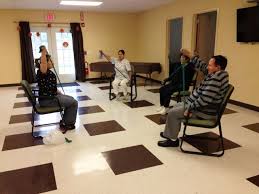 Senior Care
A Day Away Adult Day Care
Fort Wayne, IN
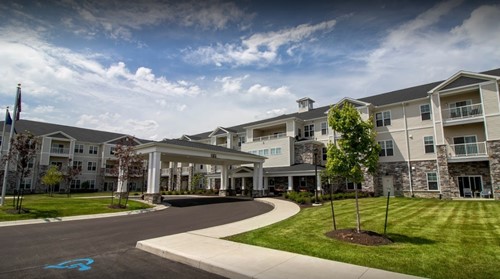 Senior Care
StoryPoint Fort Wayne North
Fort Wayne, IN
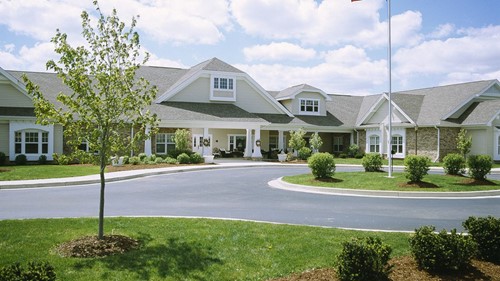 Assisted Living
Kingston at Dupont
Fort Wayne, IN
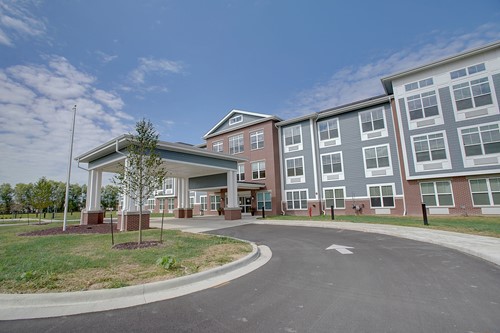 Assisted Living
Evergreen Village at Fort Wayne
Fort Wayne, IN
City Guide
Explore Fort Wayne
Free Quotes
Get quotes from local pros in Fort Wayne
Tell us what you need and we’ll pass it to companies that serve your area. It’s free, and there’s no obligation.

Compare Fort Wayne with any city
See how it stacks up on cost, income, and quality of life.
Start Comparing