



City Profile
Burlington, Iowa
USA · Comprehensive city data and intelligence
Burlington, Iowa, a historic city nestled along the Mississippi River, offers a blend of small-town charm and scenic beauty. Known for its distinctive Snake Alley, often called the "crookedest street in the world," the city boasts a rich history as a railroad town. People are drawn to Burlington for its relatively affordable cost of living, a strong sense of community, and access to various outdoor recreational opportunities. The city serves as a regional hub for employment, education, and healthcare, striving to maintain its unique character while adapting to modern challenges.
Iowa, located in the Midwest, is characterized by its expansive farmlands and a generally relaxed, community-focused lifestyle. The state's economy is diverse, with major industries including advanced manufacturing, biosciences, finance and insurance, and its foundational agricultural sector, which leads in corn, soybean, ethanol, and pork production. Living in Iowa is notably affordable, with the cost of living, particularly housing, being significantly lower than the national average. The climate is humid continental, featuring hot, humid summers and cold winters, with seasonal precipitation and susceptibility to various natural disasters like snowstorms, floods, and tornadoes.
How this 49/100 was calculated five components, with every reading behind them
| Component | Readings used | Points | Weight | Contributes |
|---|---|---|---|---|
| Safety | Safety score: 40 / 100 | 40.0 | 30% | 12.0 |
| Affordability | Cost of living index (100 = national baseline): 87.0 | 60.0 | 25% | 15.0 |
| Economy & jobs | Median household income: $59,000 Income needed to live here: $64,000 Unemployment rate: 4% | 45.1 | 20% | 9.0 |
| Growth | No usable reading — dataset average used | 56.4 | 15% | 8.5 |
| Business climate assessment | Business climate assessment: 45 / 100 | 45.0 | 10% | 4.5 |
| Overall score | 49.0 | |||
Provenance.
These figures were produced by the research pass recorded as
Gemini (Tier 2 (reasoned), q=89), last refreshed
27 September 2026.
They are researched estimates drawn from public sources, not a licensed data feed.
Each component is scored against fixed published endpoints, so this number is comparable with any other city and does not move as the dataset grows. Scoring framework 2026.10 — full methodology, weights and accepted ranges.

Featured Events
Happening in Burlington
Featured and sponsored events in Burlington.
Local Directory
Businesses in Burlington
Featured local businesses in Burlington.

Performance
Quality Scores
Expenses
Cost of Living
The cost of living in Burlington is notably lower than the national average, making it an attractive option for those seeking affordability. Overall, the cost of living is approximately 13% lower than the national average. Housing expenses are a significant driver of this affordability, with both rental prices and home purchase costs being considerably less expensive than the national benchmarks. Groceries and utilities also contribute to the lower cost of living, typically falling below national averages. While transportation costs are slightly lower, healthcare expenses in Burlington are reported to be marginally higher than the national average.
Income
Salary Insights
Burlington's economy is primarily driven by industries such as Manufacturing, Health Care & Social Assistance, and Retail Trade. Major employers in the area include companies like CNH Industrial America, Federal Mogul Ignition Products, and Great River Medical Center, alongside various retail establishments. However, the city has experienced a decline in employment, with a negative job growth rate observed from 2023 to 2024. The average individual salary in Burlington was reported at $48,716 as of September 2026, with the median household income standing at $59,000 in 2024. The unemployment rate in Burlington was 4.0% in March 2026, which is slightly below the national average.
The average salary in Burlington is $48,716 per year. You would need approximately $64,000 to live comfortably.
Employment
Top Industries
Weather
Climate
Mobility
Transport
Getting around Burlington primarily relies on personal vehicles, with a high car dependency reflected by the fact that 80.2% of workers drove alone to work in 2024. The average commute time for residents is a relatively short 16 minutes. While public transportation is minimal, the Burlington Urban Service (BUS) provides transit services six days a week, including routes to key locations like Great River Medical Center. Burlington has a walkability score of 41, indicating that some areas, particularly Downtown and the South Hill Historic District, are pedestrian-friendly. The city is considered somewhat bikeable, with a bike score of 37, though bike infrastructure is minimal.

At a Glance
Pros & Cons
Advantages
Drawbacks
Head to Head
Compare Burlington
Community Q&A
Questions about Burlington
What people ask about living in and moving to Burlington, Iowa.
What are some popular outdoor activities in Burlington?
Burlington offers a variety of outdoor attractions such as riverfront parks, bike trails, and nearby state parks. Activities include hiking, kayaking, fishing, and seasonal festivals. Local tourism guides and the city’s recreation department provide details on trail maps, event calendars, and park amenities.
How does the cost of living in Burlington compare to the national average?
Burlington’s cost of living index is 87, meaning expenses are about 13% lower than the national average. Housing, groceries, and utilities are typically cheaper, so a salary of $48,716 per year should comfortably cover basic living costs, though you may want to adjust for personal spending habits.
How are the public schools in Burlington rated?
Public schools in Burlington generally receive mixed reviews, with some districts performing above average and others below. Performance can vary by school, so it’s best to visit the district’s website for detailed report cards, graduation rates, and student-teacher ratios. Visiting schools personally can also give a sense of the environment.
What industries are most common for employment in Burlington?
Burlington’s economy includes manufacturing, healthcare, retail, and education. Many jobs are in production, assembly, and support services. To explore current openings, check local job boards, the city’s economic development portal, or professional networking sites that list positions in the region.
Is Burlington a safe place to live?
Burlington’s safety score is 40 out of 100, which is below the national average. This indicates a higher incidence of certain crimes compared to other cities. Residents often report feeling safe in residential neighborhoods, but it’s wise to review recent crime statistics on the city’s public safety portal and talk to locals about specific areas.
What public transportation options are available in Burlington?
The city offers a modest public transit system that includes bus routes covering key residential and commercial areas. Schedules and route maps are posted on the city transit authority’s website, and fares are generally affordable. For longer commutes, many residents use personal vehicles or carpooling services.
What should I know about moving into Burlington during winter?
Winter in Burlington can bring cold temperatures and occasional snow. When moving, ensure you have proper insulation, winter tires, and a plan for snow removal. Movers often recommend scheduling the move for midweek to avoid holiday traffic and checking weather forecasts to plan travel times.
Are there good healthcare facilities in Burlington?
Burlington has several healthcare facilities that provide primary care, specialty services, and emergency care. These include hospitals, clinics, and urgent care centers. Information on services, provider directories, and patient reviews can be found on the city’s health department website or through local medical association listings.
What is the overall vibe of Burlington for families?
Burlington is often described as a small-town community with a mix of rural charm and urban amenities. Families appreciate the local parks, community events, and schools. The city’s demographic mix and community organizations foster a welcoming environment, though some residents note a slower pace compared to larger cities.
What is the average monthly rent for a one-bedroom apartment in Burlington?
The average rent for a one-bedroom apartment in Burlington is $975 per month. This figure reflects the typical market rate for modest, single-family homes and small apartments in the area. You can find current listings and variations in price on local rental sites or by contacting real estate agents who specialize in the city.
Some answers here were drafted as a starting point and may be out of date. Live in Burlington? Add your own.
FAQ
Frequently Asked Questions
Businesses for Sale in Burlington
Explore active acquisition & franchise opportunities .
Senior Care in Burlington
8 assisted living, nursing & memory care facilities in Burlington.
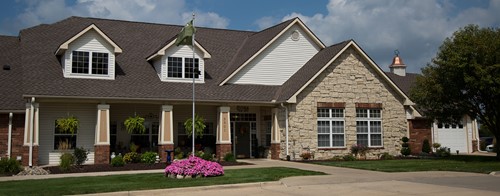 Assisted Living
Bickford of Burlington
Burlington, IA
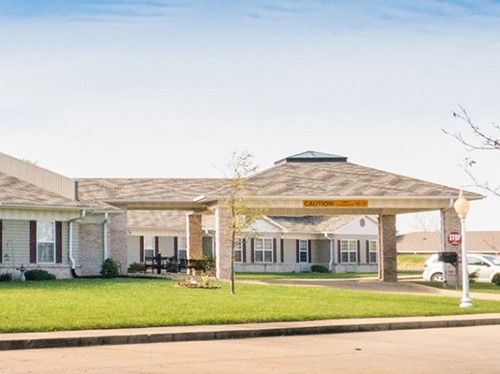 Senior Care
RidgeView Assisted Living
Burlington, IA
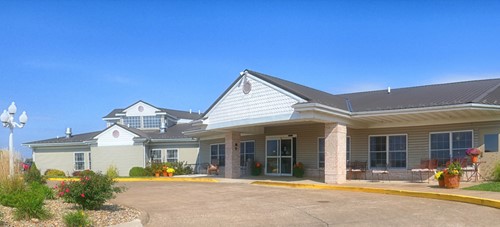 Assisted Living
Oakview Nursing And Rehabilitation
Burlington, IA
Nurse At Home
Burlington, IA
Des Moines County Health Department
Burlington, IA
Advanced Home Health Care Inc
Burlington, IA
SunnyBrook of Burlington
Burlington, IA
Village Cooperative of Burlington, IA
Burlington, IA
Free Quotes
Get quotes from local pros in Burlington
Tell us what you need and we’ll pass it to companies that serve your area. It’s free, and there’s no obligation.

Compare Burlington with any city
See how it stacks up on cost, income, and quality of life.
Start Comparing