



City Profile
Cedar Rapids, Iowa
USA · Comprehensive city data and intelligence
Cedar Rapids, Iowa, is a vibrant city situated on the banks of the Cedar River, known for its rich history in manufacturing and agriculture, and its resilient spirit, especially after overcoming the devastating 2020 derecho. The city has a strong community focus, with a growing economy and a commitment to reinvestment and improvement, making it an attractive place for those seeking a balance of affordability and amenities. People are drawn to Cedar Rapids for its lower-than-average cost of living, robust job market, and a quality of life that offers a small-town feel with big-city opportunities. The city's ongoing development, including significant private investments in data centers and manufacturing, signals a dynamic future and a welcoming environment for new residents and businesses alike. Cedar Rapids is also recognized for its well-run city services and its commitment to innovation, further enhancing its appeal as a place to live, work, and retire.
Iowa, located in the Midwest, is characterized by its expansive farmlands and a generally relaxed, community-focused lifestyle. The state's economy is diverse, with major industries including advanced manufacturing, biosciences, finance and insurance, and its foundational agricultural sector, which leads in corn, soybean, ethanol, and pork production. Living in Iowa is notably affordable, with the cost of living, particularly housing, being significantly lower than the national average. The climate is humid continental, featuring hot, humid summers and cold winters, with seasonal precipitation and susceptibility to various natural disasters like snowstorms, floods, and tornadoes.
How this 64/100 was calculated five components, with every reading behind them
| Component | Readings used | Points | Weight | Contributes |
|---|---|---|---|---|
| Safety | Safety score: 72 / 100 | 72.0 | 30% | 21.6 |
| Affordability | Cost of living index (100 = national baseline): 90.0 | 56.3 | 25% | 14.1 |
| Economy & jobs | Median household income: $70,424 Income needed to live here: $55,000 Unemployment rate: 4.1% | 66.9 | 20% | 13.4 |
| Growth | Population growth rate: 0.8% Job growth rate: 2.1% | 53.5 | 15% | 8.0 |
| Business climate assessment | Business climate assessment: 68 / 100 | 68.0 | 10% | 6.8 |
| Overall score | 63.9 | |||
Provenance.
These figures were produced by the research pass recorded as
Gemini (Tier 1 (fast), q=83), last refreshed
25 September 2026.
They are researched estimates drawn from public sources, not a licensed data feed.
Each component is scored against fixed published endpoints, so this number is comparable with any other city and does not move as the dataset grows. Scoring framework 2026.10 — full methodology, weights and accepted ranges.

Featured Events
Happening in Cedar Rapids
Featured and sponsored events in Cedar Rapids.
Local Directory
Businesses in Cedar Rapids
Featured local businesses in Cedar Rapids.

Performance
Quality Scores
Expenses
Cost of Living
Cedar Rapids offers a cost of living that is notably lower than the national average, making it an attractive option for residents seeking financial ease. Overall living costs are estimated to be 6-10% below the U.S. average, with housing being a primary driver of this affordability. Daily expenses for goods and services, groceries, utilities, and healthcare also tend to be less than in many larger metropolitan areas. This affordability allows residents to maintain a comfortable lifestyle without the high price tag often associated with major cities.
Income
Salary Insights
The economy of Cedar Rapids is robust and diverse, with key industries including manufacturing, healthcare, and retail trade. The city has seen significant growth in recent years, particularly with major private investments in data centers and manufacturing facilities, such as those by Google and QTS. This economic momentum is further supported by a strong job market, with new job creation and expansion in various sectors. Cedar Rapids is also recognized for its economic opportunity and job growth, making it a compelling location for professionals and businesses.
The average salary in Cedar Rapids is $89,087 per year. You would need approximately $55,000 to live comfortably.
Employment
Top Industries
Weather
Climate
Mobility
Transport
Getting around Cedar Rapids is primarily car-dependent, with most residents driving alone to work, and an average commute time of around 20 minutes. The city has a car ownership rate similar to the national average, with about two cars per household. While public transit options exist, walkability and bikeability scores are moderate, suggesting that personal vehicles are the most convenient mode of transport for most daily activities.

At a Glance
Pros & Cons
Advantages
Drawbacks
Head to Head
Compare Cedar Rapids
Community Q&A
Questions about Cedar Rapids
What people ask about living in and moving to Cedar Rapids, Iowa.
FAQ
Frequently Asked Questions
Businesses for Sale in Cedar Rapids
Explore active acquisition & franchise opportunities .

Senior Care in Cedar Rapids
45 assisted living, nursing & memory care facilities in Cedar Rapids.
 Senior Care
Stoney Point Senior Living
Cedar Rapids, IA
 Senior Care
Aging Services-Milestones Adlt
Cedar Rapids, IA
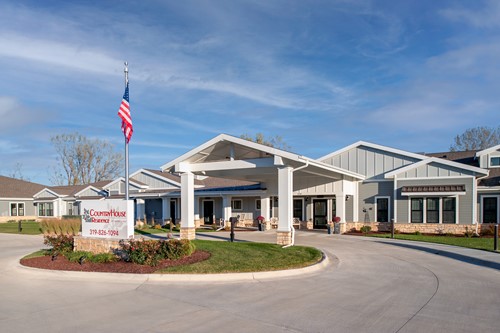 Assisted Living
CountryHouse Residence for Memory Care
Cedar Rapids, IA
 Senior Care
Westover Manor
Cedar Rapids, IA
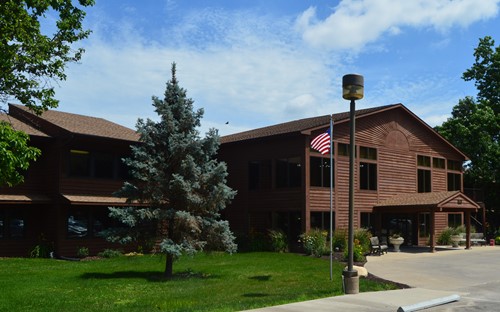 Senior Care
Garnett Place
Cedar Rapids, IA
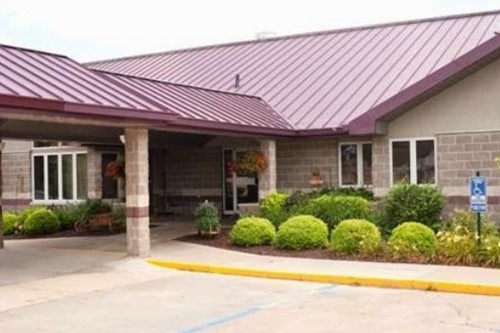 Assisted Living
West Ridge Care Center
Cedar Rapids, IA
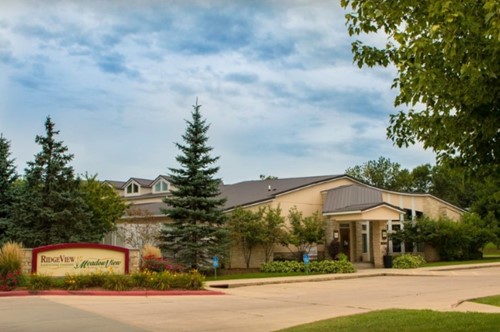 Assisted Living
The Views of Cedar Rapids - MeadowView Memory Care
Cedar Rapids, IA
 Senior Care
The Views of Cedar Rapids - RidgeView Assisted Living
Cedar Rapids, IA
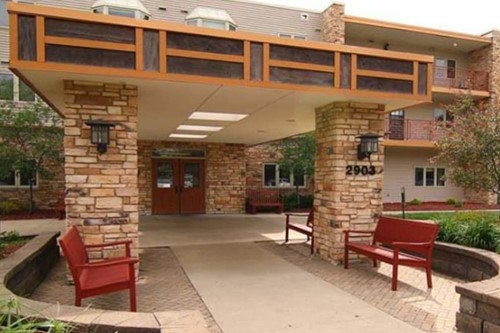 Assisted Living
Prairie Hills at Cedar Rapids
Cedar Rapids, IA
 Senior Care
Cottage Grove Place
Cedar Rapids, IA
 Assisted Living
Cottage Grove Place
Cedar Rapids, IA
 Senior Care
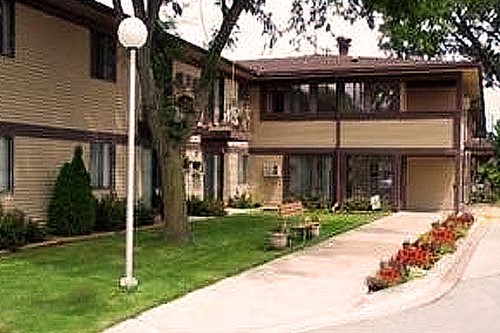
Cedar Village Senior Residences
Cedar Rapids, IA
Free Quotes
Get quotes from local pros in Cedar Rapids
Tell us what you need and we’ll pass it to companies that serve your area. It’s free, and there’s no obligation.

Compare Cedar Rapids with any city
See how it stacks up on cost, income, and quality of life.
Start Comparing