



City Profile
Dubuque, Iowa
USA · Comprehensive city data and intelligence
Dubuque is Iowa's oldest city, nestled gracefully along the scenic bluffs of the Mississippi River in the tri-state area of Iowa, Illinois, and Wisconsin. Founded as a lead-mining settlement, the city has evolved into a vibrant regional hub known for its historic architecture, thriving arts scene, and picturesque views of the Upper Mississippi River National Wildlife and Fish Refuge. People are drawn to Dubuque for its unique blend of Midwestern charm, economic resilience, and a high quality of life characterized by tight-knit community values and outdoor recreation.
Iowa, located in the Midwest, is characterized by its expansive farmlands and a generally relaxed, community-focused lifestyle. The state's economy is diverse, with major industries including advanced manufacturing, biosciences, finance and insurance, and its foundational agricultural sector, which leads in corn, soybean, ethanol, and pork production. Living in Iowa is notably affordable, with the cost of living, particularly housing, being significantly lower than the national average. The climate is humid continental, featuring hot, humid summers and cold winters, with seasonal precipitation and susceptibility to various natural disasters like snowstorms, floods, and tornadoes.
How this 67/100 was calculated five components, with every reading behind them
| Component | Readings used | Points | Weight | Contributes |
|---|---|---|---|---|
| Safety | Safety score: 78 / 100 | 78.0 | 30% | 23.4 |
| Affordability | Cost of living index (100 = national baseline): 89.0 | 57.5 | 25% | 14.4 |
| Economy & jobs | Median household income: $65,400 Income needed to live here: $48,000 Unemployment rate: 3.2% | 77.7 | 20% | 15.5 |
| Growth | Population growth rate: 0.5% Job growth rate: 1.5% | 43.8 | 15% | 6.6 |
| Business climate assessment | Business climate assessment: 70 / 100 | 70.0 | 10% | 7.0 |
| Overall score | 66.9 | |||
Provenance.
These figures were produced by the research pass recorded as
Tier 1 (fast) (q=54, partial — below threshold), last refreshed
16 October 2026.
They are researched estimates drawn from public sources, not a licensed data feed.
Each component is scored against fixed published endpoints, so this number is comparable with any other city and does not move as the dataset grows. Scoring framework 2026.10 — full methodology, weights and accepted ranges.

Featured Events
Happening in Dubuque
Featured and sponsored events in Dubuque.
Local Directory
Businesses in Dubuque
Featured local businesses in Dubuque.

Performance
Quality Scores
Expenses
Cost of Living
The cost of living in Dubuque remains notably lower than the national average, making it an attractive destination for families, young professionals, and retirees alike. Housing costs, in particular, offer significant relief compared to larger metropolitan areas across the United States, allowing residents to secure more spacious properties for their investment. Everyday expenses such as groceries, utilities, and transportation also track favorably against national benchmarks, contributing to overall household financial stability.
Income
Salary Insights
Dubuque boasts a remarkably diverse and resilient economy anchored by advanced manufacturing, healthcare, education, and financial services. Major employers such as John Deere, Medical Associates Clinic, and MercyOne Dubuque Medical Center provide a stable foundation of professional opportunities for the region. The city has also cultivated a supportive environment for small businesses and entrepreneurship, fostering steady job growth and attracting a skilled workforce from the surrounding tri-state region.
The average salary in Dubuque is $58,000 per year. You would need approximately $48,000 to live comfortably.
Employment
Top Industries
Weather
Climate
Mobility
Transport
Getting around Dubuque is straightforward, with manageable traffic patterns and efficient vehicular infrastructure connecting major commercial corridors. The Interstate Power Company provides public transit through The Jule, offering fixed-route bus services across the municipality. While a car remains the primary mode of transportation for most errands and commutes, downtown Dubuque and several surrounding neighborhoods offer walkable pockets and growing bike lane networks.

At a Glance
Pros & Cons
Advantages
Drawbacks
Head to Head
Compare Dubuque
Community Q&A
Questions about Dubuque
What people ask about living in and moving to Dubuque, Iowa.
What is the average rent like in Dubuque?
The average rent in Dubuque is about $950 per month. This figure reflects typical one- or two-bedroom units in the city. Compared to the national average, it is lower, which can help stretch your budget. Rent can vary by location, building amenities, and whether utilities are included. To find current listings, check local real‑estate portals or contact residential property managers in the area.
How does the cost of living in Dubuque compare to other cities?
Dubuque’s cost of living index is 89, meaning it is about 11% cheaper than the national average. Grocery prices, utilities, and transportation costs are generally lower than in larger metropolitan areas. This can translate into savings on everyday expenses. However, wages also tend to be lower, so it’s important to balance income with local costs. For a detailed breakdown, consult the city’s economic development offi...
What are the average salaries in Dubuque?
The average annual salary in Dubuque is about $58,000. This figure represents a broad range of occupations, from entry‑level to mid‑career roles. While it may be lower than in major urban centers, the lower cost of living can offset the difference. When evaluating a job offer, consider benefits, growth opportunities, and the specific industry’s local demand. Local job boards and professional networks can provide more...
Is Dubuque a safe place to live?
Dubuque has a safety score of 78 out of 100, indicating a relatively safe environment compared to many U.S. cities. Crime rates are generally lower than national averages, especially for property crimes. However, like any city, certain neighborhoods may experience higher incidents. It’s advisable to review neighborhood statistics from local law‑enforcement summaries or community forums before deciding where to settle...
What is the quality of schools in Dubuque?
The city’s public schools are overseen by the local school district, which offers a range of elementary, middle, and high schools. Performance varies by school, but many receive solid academic ratings. Parents can review school performance reports, graduation rates, and extracurricular offerings on the district’s website. Additionally, community feedback on local forums can provide insight into school culture and par...
How reliable is public transport in Dubuque?
Dubuque has a city transit authority that operates bus routes covering most of the urban area. Buses run on regular schedules, with increased frequency during peak commute hours. For detailed route maps, schedules, and fare information, visit the transit authority’s website or download their mobile app. If you prefer driving, the city’s road network is well maintained, and parking is generally available in commercial...
What healthcare options are available in Dubuque?
The city hosts several hospitals, urgent‑care centers, and specialty clinics that serve both residents and surrounding communities. These facilities offer a range of services from primary care to advanced medical procedures. To find the nearest provider, use the state health department’s directory or search online for local medical centers. Insurance coverage details can be confirmed directly with each provider.
What can I do for fun in Dubuque?
Dubuque offers a mix of cultural, outdoor, and historical activities. Visitors can explore museums, art galleries, and historic downtown areas, as well as parks along the river. Seasonal festivals and farmers markets provide community engagement opportunities. For a full list of events and venues, check the city’s tourism office or local event calendars online.
What is the overall vibe of Dubuque?
Dubuque blends Midwestern charm with a growing cultural scene. The community is known for friendly neighbors, local festivals, and a strong sense of place. Residents enjoy access to outdoor recreation along the river and nearby parks, while the city’s downtown offers dining, shopping, and arts venues. The local economy is stable, with opportunities in manufacturing, healthcare, and education. Overall, Dubuque offers...
What should I know about moving into Dubuque?
When moving to Dubuque, consider the timing of your relocation to avoid peak rental demand. Research local moving companies and compare rates, as many offer services tailored to the city’s layout. Register with the city’s resident portal for utilities, garbage collection, and voter registration. Familiarize yourself with local ordinances, such as pet licensing and parking regulations, to ensure a smooth transition.
Some answers here were drafted as a starting point and may be out of date. Live in Dubuque? Add your own.
FAQ
Frequently Asked Questions
Senior Care in Dubuque
22 assisted living, nursing & memory care facilities in Dubuque.
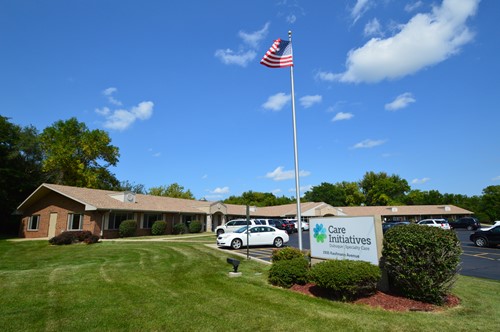 Assisted Living
Dubuque Specialty Care
Dubuque, IA
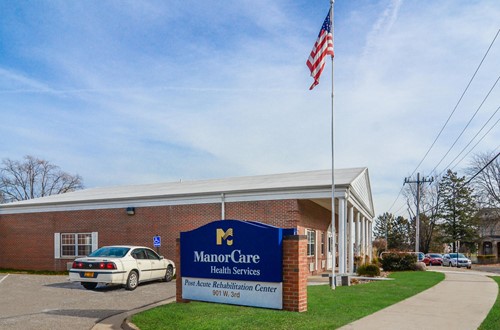 Assisted Living
ProMedica Skilled Nursing and Rehabilitation - Dubuque
Dubuque, IA
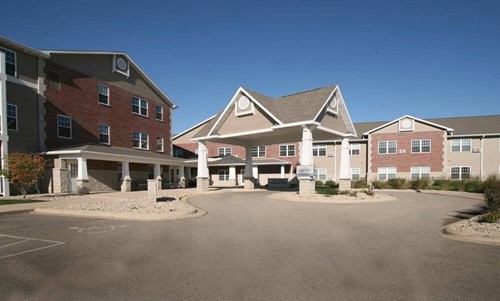 Senior Care
Oak Park Place - Dubuque
Dubuque, IA
Sunnycrest Manor
Dubuque, IA
Assisi Village Al Memory Care
Dubuque, IA
Assisi Village Assisted Living
Dubuque, IA
Stonehill Care Center
Dubuque, IA
Bethany Home
Dubuque, IA
Henry Stout
Dubuque, IA
ManorCare Health Services-Dubuque
Dubuque, IA
Mercyone Dubuque Home Care
Dubuque, IA
Unitypoint At Home
Dubuque, IA
City Guide
Explore Dubuque
Free Quotes
Get quotes from local pros in Dubuque
Tell us what you need and we’ll pass it to companies that serve your area. It’s free, and there’s no obligation.

Compare Dubuque with any city
See how it stacks up on cost, income, and quality of life.
Start Comparing