



City Profile
Des Moines, Iowa
USA · Comprehensive city data and intelligence
Des Moines, the capital and most populous city in Iowa, is a vibrant hub known for its significant role in U.S. politics due to the Iowa caucuses, and as a major business center. The city's name is believed to be derived from the French 'Rivière des Moines,' meaning 'River of the Monks.' Incorporated in 1851, Des Moines has grown to be the largest metropolitan area entirely within Iowa, serving six counties in central Iowa: Polk, Dallas, Warren, Madison, Guthrie, and Jasper.
While the city proper has experienced a slight population decline in recent years due to suburbanization, the broader metropolitan area continues to expand, driven by growing job markets in sectors like insurance, finance, and healthcare, and more affordable housing options in the surrounding areas. Des Moines offers a blend of urban amenities and a relaxed suburban atmosphere, making it an appealing location for both young professionals and retirees.
Iowa, located in the Midwest, is characterized by its expansive farmlands and a generally relaxed, community-focused lifestyle. The state's economy is diverse, with major industries including advanced manufacturing, biosciences, finance and insurance, and its foundational agricultural sector, which leads in corn, soybean, ethanol, and pork production. Living in Iowa is notably affordable, with the cost of living, particularly housing, being significantly lower than the national average. The climate is humid continental, featuring hot, humid summers and cold winters, with seasonal precipitation and susceptibility to various natural disasters like snowstorms, floods, and tornadoes.
How this 63/100 was calculated five components, with every reading behind them
| Component | Readings used | Points | Weight | Contributes |
|---|---|---|---|---|
| Safety | Safety score: 70 / 100 | 70.0 | 30% | 21.0 |
| Affordability | Cost of living index (100 = national baseline): 81.0 | 67.5 | 25% | 16.9 |
| Economy & jobs | Median household income: $47,000 Income needed to live here: $55,000 Unemployment rate: 4.1% | 40.3 | 20% | 8.1 |
| Growth | Population growth rate: no usable reading Job growth rate: 2.1% | 62.0 | 15% | 9.3 |
| Business climate assessment | Business climate assessment: 75 / 100 | 75.0 | 10% | 7.5 |
| Overall score | 62.7 | |||
Provenance.
These figures were produced by the research pass recorded as
Gemini (Tier 1 (fast), q=81), last refreshed
1 July 2026.
They are researched estimates drawn from public sources, not a licensed data feed.
Each component is scored against fixed published endpoints, so this number is comparable with any other city and does not move as the dataset grows. Scoring framework 2026.10 — full methodology, weights and accepted ranges.

Featured Events
Happening in Des Moines
Featured and sponsored events in Des Moines.
Local Directory
Businesses in Des Moines
Featured local businesses in Des Moines.

Performance
Quality Scores
Expenses
Cost of Living
The cost of living in Des Moines is generally lower than the U.S. average, making it an attractive option for those seeking affordability. While healthcare costs in the city are reported to be higher than average, these are often offset by lower transportation and grocery expenses. This balance contributes to a more manageable financial landscape for residents.
Housing costs, particularly for assisted living, are also lower than the national average, further enhancing the city's affordability. The overall cost-effectiveness of living in Des Moines allows residents to enjoy a good quality of life without the financial strain often found in larger metropolitan areas.
Income
Salary Insights
Des Moines serves as a significant business hub, particularly recognized for its strong insurance and finance industries, which have historically driven economic expansion and attracted new residents. The metropolitan area's job markets continue to grow, especially in sectors such as insurance, finance, and healthcare, providing ample employment opportunities. This consistent growth contributes to a stable and expanding economy.
The city's economic resilience is further supported by a diverse range of businesses and industries. While specific data on remote work is not readily available for 2024-2026, the presence of major corporations and a robust business environment suggests a dynamic job market with various employment opportunities.
The average salary in Des Moines is $65,000 per year. You would need approximately $55,000 to live comfortably.
Employment
Top Industries
Weather
Climate
Mobility
Transport
Getting around Des Moines is relatively efficient, with an average commute time for residents in Greater Des Moines ranging between 15 and 30 minutes. The regional average commute time to work is 20.1 minutes. West Des Moines, a key part of the metropolitan area, boasts an even shorter average commute of just 18 minutes.
The city benefits from its location at the crossroads of major interstates, I-35 and I-80, providing excellent connectivity. While personal vehicles are the primary mode of transportation, efforts are being made to encourage alternative modes like walking, biking, and public transit. The Des Moines International Airport is also conveniently located, offering passenger and cargo services.

At a Glance
Pros & Cons
Advantages
Drawbacks
Head to Head
Compare Des Moines
Community Q&A
Questions about Des Moines
What people ask about living in and moving to Des Moines, Iowa.
What healthcare facilities are available in Des Moines?
The city hosts several hospitals and specialty clinics that provide a wide range of services, from primary care to advanced surgical procedures. Most facilities are accredited and offer emergency services. For specific provider lists, insurance networks, and patient reviews, consult the state health department’s directory or local health information portals.
How does the cost of living in Des Moines compare to the national average?
Des Moines has a cost of living index of 81, meaning it is roughly 19% cheaper than the national average. Housing, groceries, and utilities are generally lower, so a salary of $65,000 can go further here than in many larger metros. Keep in mind that some discretionary expenses, like dining out or entertainment, may still be comparable to national prices.
How are the public schools in Des Moines rated?
Public schools in the Des Moines area generally receive moderate to good ratings, with many schools offering strong core curricula and extracurricular programs. Performance varies by district, so review school performance reports available on the state education department’s website or through local school district portals to compare ratings, test scores, and parent reviews.
Is Des Moines a safe place to live?
Des Moines has a safety score of 70 out of 100, indicating a moderate level of safety compared to national averages. Crime rates are relatively typical for a mid-sized city, with some neighborhoods experiencing higher incidents than others. Check local crime statistics on the city’s public safety website and talk to residents in specific areas to get a clearer picture.
How good is public transportation in Des Moines?
Public transit options include bus routes that cover most of the city, with schedules available on the city transit authority’s website. While service is convenient for many commuters, coverage outside the core urban area is limited, so a car may still be useful for accessing suburbs or rural areas. Consider bike lanes and ride‑share services as additional options.
What is the average monthly rent in Des Moines?
The average rent for a one-bedroom apartment in Des Moines is about $1,162 per month. This figure reflects typical listings on local rental sites and can vary by neighborhood. For specific availability and price ranges, check online rental platforms or contact local landlords directly.
What are some popular outdoor activities in Des Moines?
Des Moines offers numerous parks, trails, and riverfront areas suitable for hiking, biking, and picnicking. Many parks feature well-maintained paths, playgrounds, and seasonal events. Check the city’s parks and recreation website for trail maps, park amenities, and upcoming community events to plan your outdoor adventures.
What is the average salary in Des Moines and how does it compare to living costs?
The average annual salary in Des Moines is about $65,000. Coupled with a cost of living index of 81, this income typically supports a comfortable lifestyle for a single individual or a small family. Housing costs are moderate, and other expenses such as groceries, transportation, and healthcare are generally lower than the national average, allowing the salary to stretch further.
What types of jobs are most common in Des Moines?
The city’s economy includes a mix of tech, manufacturing, finance, and healthcare roles. Many companies in the area focus on software development, data analytics, and IT support. To find openings, browse local job boards, professional networking sites, and the city’s economic development portal, which lists major employers and industry trends.
What should I know about moving my household into Des Moines?
Plan your move by researching local moving companies, timing your arrival with seasonal weather, and understanding utility setup procedures. The city’s official website offers resources on utility providers, waste collection schedules, and local ordinances. Register your vehicle and driver’s license within the required timeframe to avoid penalties.
Some answers here were drafted as a starting point and may be out of date. Live in Des Moines? Add your own.
FAQ
Frequently Asked Questions
Businesses for Sale in Des Moines
Explore active acquisition & franchise opportunities .
Senior Care in Des Moines
7 assisted living, nursing & memory care facilities in Des Moines.
 Senior Care
AARP Foundation Senior Program
Des Moines, IA
 Senior Care
3801 Grand
Des Moines, IA
 Senior Care
Scottish Rite Park
Des Moines, IA
 Senior Care
Ramsey Village Continuing Care
Des Moines, IA
 Senior Care
MercyOne Des Moines Home Care
Des Moines, IA
 Senior Care
Azria Health Park Place
Des Moines, IA
 Senior Care
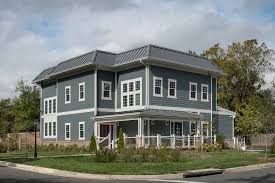
Arlington Group Home
Des Moines, IA
City Guide
Explore Des Moines
Free Quotes
Get quotes from local pros in Des Moines
Tell us what you need and we’ll pass it to companies that serve your area. It’s free, and there’s no obligation.

Compare Des Moines with any city
See how it stacks up on cost, income, and quality of life.
Start Comparing