



City Profile
Derby, Kansas
USA · Comprehensive city data and intelligence
Derby is the largest suburb of Wichita and stands as one of Kansas's most vibrant and rapidly growing communities. Founded in the late 19th century and named after property owner J.H. Derby, the city has transformed from a quiet rural town into a thriving residential and commercial hub. Characterized by master-planned neighborhoods, exceptional local schools, and extensive park systems, Derby attracts families and professionals looking for a safe, community-oriented lifestyle with easy access to the amenities of the Wichita metropolitan area.
Kansas, known as the "Sunflower State," offers a blend of rural charm and urban development, characterized by friendly communities and a relaxed pace of life. Its economy is diverse, with major industries including agriculture (a leading producer of wheat, corn, and sorghum), aerospace, advanced manufacturing, and professional services. Living in Kansas is generally affordable, with a cost of living approximately 10-15% lower than the national average, particularly for housing. The state experiences four distinct seasons with warm to hot summers, mild to cold winters, and moderate humidity, though it is prone to severe weather like thunderstorms and tornadoes, especially in spring and early summer.
How this 71/100 was calculated five components, with every reading behind them
| Component | Readings used | Points | Weight | Contributes |
|---|---|---|---|---|
| Safety | Safety score: 82 / 100 | 82.0 | 30% | 24.6 |
| Affordability | Cost of living index (100 = national baseline): 92.0 | 53.8 | 25% | 13.4 |
| Economy & jobs | Median household income: $82,500 Income needed to live here: $52,000 Unemployment rate: 3.5% | 89.8 | 20% | 18.0 |
| Growth | Population growth rate: 0.8% Job growth rate: 1.8% | 50.5 | 15% | 7.6 |
| Business climate assessment | Business climate assessment: 70 / 100 | 70.0 | 10% | 7.0 |
| Overall score | 70.6 | |||
Provenance.
These figures were produced by the research pass recorded as
Tier 1 (fast) (q=52, partial — below threshold), last refreshed
16 October 2026.
They are researched estimates drawn from public sources, not a licensed data feed.
Each component is scored against fixed published endpoints, so this number is comparable with any other city and does not move as the dataset grows. Scoring framework 2026.10 — full methodology, weights and accepted ranges.

Featured Events
Happening in Derby
Featured and sponsored events in Derby.
Local Directory
Businesses in Derby
Featured local businesses in Derby.

Performance
Quality Scores
Expenses
Cost of Living
The cost of living in Derby generally tracks below the national average, making it an attractive destination for budget-conscious homeowners and families. Housing costs, particularly for single-family homes, offer favorable value compared to larger coastal metros, though recent regional appreciation has introduced competitive market conditions. Everyday goods, utilities, and grocery expenses remain modest, bolstered by Kansas's overall moderate pricing structure.
Income
Salary Insights
While Derby functions largely as a residential suburb, its local economy is anchored by retail, healthcare, education, and light manufacturing, with many residents commuting into nearby Wichita for major aerospace and defense employers like Spirit AeroSystems and Textron Aviation. The city has actively invested in commercial developments like the Derby Marketplace, stimulating local job growth and small business entrepreneurship. The remote work scene is well-supported by robust municipal and private fiber internet infrastructure.
The average salary in Derby is $68,000 per year. You would need approximately $52,000 to live comfortably.
Employment
Top Industries
Weather
Climate
Mobility
Transport
Transportation in Derby is heavily car-dependent, with most residents relying on personal vehicles to commute via major thoroughfares like K-15 highway into Wichita. The city features a grid-like suburban street layout with developing networks of multi-use paths and sidewalks for pedestrians and cyclists. Public transit options are limited compared to major urban centers, though regional paratransit services operate within Sedgwick County.

At a Glance
Pros & Cons
Advantages
Drawbacks
Head to Head
Compare Derby
Community Q&A
Questions about Derby
What people ask about living in and moving to Derby, Kansas.
How does Derby's cost of living compare to the national average?
Derby’s cost of living index is 92, which is slightly below the national average of 100. This means everyday expenses such as groceries, utilities, and transportation are about 8% cheaper than the U.S. average. With an average salary of $68,000 per year, you would likely find that your disposable income is modestly higher than in many larger cities, though it will still be lower than in high-cost urban centers.
What is the average rent for a one-bedroom apartment in Derby?
The average rent in Derby is about $1,250 per month for a one-bedroom unit. This figure is well below your $1,500 budget, giving you room to explore different neighborhoods or consider a slightly larger space if desired. Rental listings can be found on local real‑estate sites and through the city’s housing office, which also provides information on rental assistance programs if needed.
What types of jobs are most common in Derby?
Derby’s economy is largely supported by manufacturing, agriculture, and small‑business services. Many residents work in production plants, logistics, and local trade services. The city’s workforce is also supported by nearby industrial parks and regional distribution centers. For specific openings, check local job boards and the city’s employment office, which aggregates listings from a variety of sectors.
How are the public schools in Derby rated?
Public schools in Derby are part of a district that emphasizes core academics and extracurricular activities. While specific ratings can vary, the district typically offers a balanced curriculum with a focus on STEM and arts. For detailed performance data, visit the district’s official website, which publishes annual report cards and standardized test results.
Is Derby considered a safe place to live?
Derby has a safety score of 82 out of 100, indicating a relatively low crime rate compared to many U.S. cities. Neighborhoods generally have a strong community presence, and local law enforcement maintains a visible presence. For the most current crime statistics, consult the city’s public safety reports or the local police department’s website.
What public transportation options are available in Derby?
Public transit in Derby is limited; most residents rely on personal vehicles. However, there is a local bus service that connects key parts of the city and nearby towns, with schedules posted on the city’s transportation portal. For ridesharing or carpooling, community groups often coordinate shared rides.
Where can I find medical care in Derby?
Healthcare in Derby is provided by a network of clinics and a regional medical center that offers primary care, urgent care, and specialty services. The city’s health department website lists all licensed providers and their specialties, and it also offers information on insurance networks and community health programs.
What recreational activities are popular in Derby?
Derby offers a variety of outdoor activities such as hiking trails, local parks, and seasonal festivals. The city’s recreation department organizes community events like farmers markets, summer concerts, and holiday celebrations. Check the city’s event calendar for upcoming activities and sports leagues.
What is the best time of year to move to Derby?
Spring and fall are ideal for moving to Derby. The weather is mild, and rental prices tend to be lower than in the peak summer months. Additionally, the city’s housing market is more flexible during these seasons, making it easier to find a suitable apartment or house.
What is the overall vibe of living in Derby?
Derby has a small‑town atmosphere with a close-knit community. Residents often participate in local events and support neighborhood initiatives. The pace of life is relaxed, and there is a strong emphasis on family values and community involvement. For a feel of the local culture, visiting the downtown area and talking to residents can give you a clear sense of the city’s character.
Some answers here were drafted as a starting point and may be out of date. Live in Derby? Add your own.
FAQ
Frequently Asked Questions
Senior Care in Derby
6 assisted living, nursing & memory care facilities in Derby.
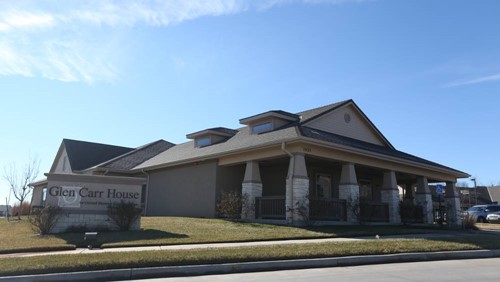 Assisted Living
Glen Carr House Memory Care
Derby, KS
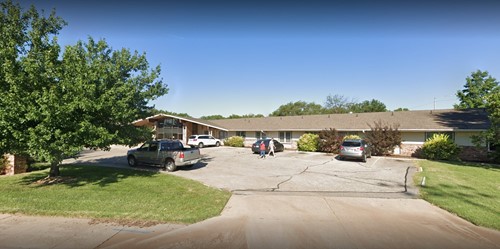 Assisted Living
Westview Of Derby
Derby, KS
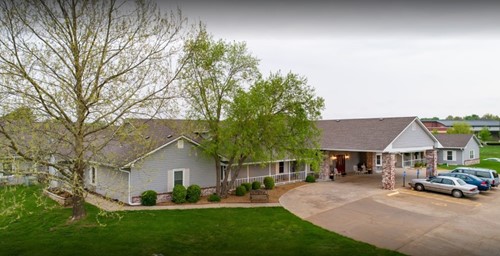 Assisted Living
Homestead of Derby
Derby, KS
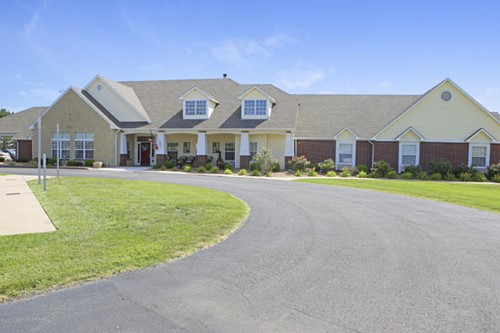 Assisted Living
Brookdale Derby
Derby, KS
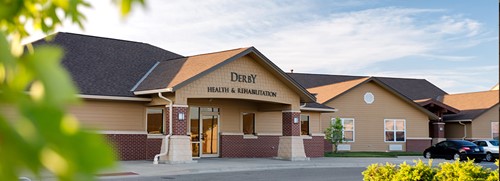 Assisted Living
Derby Health & Rehabilitation, LLC
Derby, KS
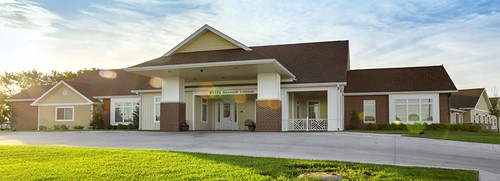 Assisted Living
Derby Assisted Living
Derby, KS
Free Quotes
Get quotes from local pros in Derby
Tell us what you need and we’ll pass it to companies that serve your area. It’s free, and there’s no obligation.

Compare Derby with any city
See how it stacks up on cost, income, and quality of life.
Start Comparing