



City Profile
Wichita, Kansas
USA · Comprehensive city data and intelligence
Wichita, the largest city in Kansas, is located along the Arkansas River in the south-central part of the state. Originally founded as a trading post on the Chisholm Trail, it grew rapidly into a major cattle-driving destination before earning its modern moniker as the 'Air Capital of the World' due to its rich aviation manufacturing heritage. Today, Wichita blends a rich pioneer history with a burgeoning arts scene, diverse culinary offerings, and a welcoming Midwestern charm that attracts families and young professionals alike. The city offers a unique combination of urban amenities and wide-open spaces, making it an appealing destination for those seeking a balanced lifestyle.
Kansas, known as the "Sunflower State," offers a blend of rural charm and urban development, characterized by friendly communities and a relaxed pace of life. Its economy is diverse, with major industries including agriculture (a leading producer of wheat, corn, and sorghum), aerospace, advanced manufacturing, and professional services. Living in Kansas is generally affordable, with a cost of living approximately 10-15% lower than the national average, particularly for housing. The state experiences four distinct seasons with warm to hot summers, mild to cold winters, and moderate humidity, though it is prone to severe weather like thunderstorms and tornadoes, especially in spring and early summer.
How this 61/100 was calculated five components, with every reading behind them
| Component | Readings used | Points | Weight | Contributes |
|---|---|---|---|---|
| Safety | Safety score: 58 / 100 | 58.0 | 30% | 17.4 |
| Affordability | Cost of living index (100 = national baseline): 88.0 | 58.8 | 25% | 14.7 |
| Economy & jobs | Median household income: $65,200 Income needed to live here: $48,000 Unemployment rate: 3.2% | 77.4 | 20% | 15.5 |
| Growth | Population growth rate: 0.4% Job growth rate: 1.8% | 45.5 | 15% | 6.8 |
| Business climate assessment | Business climate assessment: 70 / 100 | 70.0 | 10% | 7.0 |
| Overall score | 61.4 | |||
Provenance.
These figures were produced by the research pass recorded as
Tier 1 (fast) (q=52, partial — below threshold), last refreshed
16 October 2026.
They are researched estimates drawn from public sources, not a licensed data feed.
Each component is scored against fixed published endpoints, so this number is comparable with any other city and does not move as the dataset grows. Scoring framework 2026.10 — full methodology, weights and accepted ranges.

Featured Events
Happening in Wichita
Featured and sponsored events in Wichita.
Local Directory
Businesses in Wichita
Featured local businesses in Wichita.

Performance
Quality Scores
Expenses
Cost of Living
Wichita boasts a cost of living that is notably lower than the national average, making it an exceptionally affordable place to live and work. Housing costs, in particular, remain well below the U.S. average, allowing residents to secure more space and property for their investment compared to coastal metropolitan areas. Everyday expenses such as groceries, utilities, and transportation also track lower than national benchmarks, easing financial pressures for families and individuals. This high purchasing power contributes significantly to the overall financial well-being and satisfaction of the local populace.
Income
Salary Insights
As the acknowledged 'Air Capital of the World,' Wichita's economy is historically anchored by aviation and aerospace manufacturing, with major global employers like Textron Aviation, Spirit AeroSystems, and Bombardier operating large facilities locally. Beyond aerospace, the city has cultivated a robust healthcare sector, advanced manufacturing, agriculture, and an emerging tech and entrepreneurial ecosystem. The local job market benefits from competitive operating costs for businesses, fostering steady employment opportunities across various skill levels. While remote work adoption aligns with broader national trends, the local workforce remains deeply connected to its industrial and engineering roots.
The average salary in Wichita is $58,000 per year. You would need approximately $48,000 to live comfortably.
Employment
Top Industries
Weather
Climate
Mobility
Transport
Wichita is primarily a car-dependent city, characterized by a well-designed grid system of wide roadways and expressways that keep typical commute times impressively short. Public transportation is provided by Wichita Transit, offering fixed bus routes across the municipality, though most residents rely on personal vehicles for daily transit. Walkability is high in specific cultural and commercial districts like Old Town and Delano, but suburban expansion means driving is essential for most errands. The Wichita Dwight D. Eisenhower National Airport provides convenient domestic air travel connections to major national hubs.

At a Glance
Pros & Cons
Advantages
Drawbacks
Head to Head
Compare Wichita
Community Q&A
Questions about Wichita
What people ask about living in and moving to Wichita, Kansas.
FAQ
Frequently Asked Questions
Businesses for Sale in Wichita
Explore active acquisition & franchise opportunities .

Senior Care in Wichita
137 assisted living, nursing & memory care facilities in Wichita.
 Senior Care
oxford senior living
Wichita, KS
 Senior Care
Larksfield Place Independent Living
Wichita, KS
 Senior Care
Christ Care Home Plus LLC
Wichita, KS
 Senior Care
Ascension Living HOPE
Wichita, KS
 Senior Care
Azria Health Wichita
Wichita, KS
 Senior Care
ComfortCare Homes of Wichita, KS
Wichita, KS
 Senior Care
Accord Senior Care
Wichita, KS
 Senior Care
Comfort And Love Care Homes
Wichita, KS
 Assisted Living
Heart & Soul Hospice
Wichita, KS
 Assisted Living
The Oxford Grand Assisted Living & Memory Care
Wichita, KS
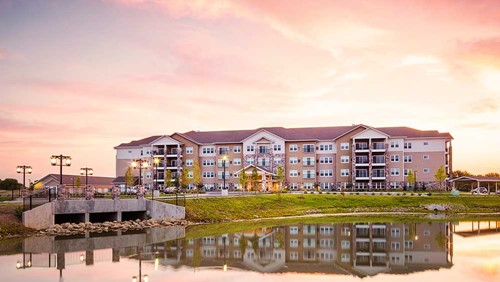 Senior Care
Oxford Villa Active Senior Apartments
Wichita, KS
 Assisted Living
Via Christi Village Ridge
Wichita, KS
City Guide
Explore Wichita
Free Quotes
Get quotes from local pros in Wichita
Tell us what you need and we’ll pass it to companies that serve your area. It’s free, and there’s no obligation.

Compare Wichita with any city
See how it stacks up on cost, income, and quality of life.
Start Comparing