



City Profile
Orono, Maine
USA · Comprehensive city data and intelligence
Orono is a picturesque New England town located along the banks of the Stillwater and Penobscot rivers in Penobscot County, Maine. Best known as the home of the flagship campus of the University of Maine, the town blends a classic academic village atmosphere with rich historical roots in the logging and paper industries. People are drawn to Orono for its vibrant collegiate energy, tight-knit community feel, and abundance of scenic natural beauty right at its doorstep.
Maine, known for its rugged coastline and vast forests, offers a lifestyle that prioritizes a slower pace and access to nature. The economy is diverse, with major industries including forest products, marine/aquaculture, food/agriculture, outdoor recreation, and manufacturing, alongside growing sectors like life sciences. While the cost of living is generally moderate compared to other New England states, housing costs can be higher in popular coastal areas like Portland. The climate features warm, sometimes humid summers and long, cold, and very snowy winters, especially inland, with coastal areas experiencing slightly milder temperatures.
How this 64/100 was calculated five components, with every reading behind them
| Component | Readings used | Points | Weight | Contributes |
|---|---|---|---|---|
| Safety | Safety score: 78 / 100 | 78.0 | 30% | 23.4 |
| Affordability | Cost of living index (100 = national baseline): 95.0 | 50.0 | 25% | 12.5 |
| Economy & jobs | Median household income: $59,784 Income needed to live here: $52,000 Unemployment rate: 4.1% | 58.7 | 20% | 11.7 |
| Growth | Population growth rate: 1.5% Job growth rate: 2.1% | 62.3 | 15% | 9.3 |
| Business climate assessment | Business climate assessment: 68 / 100 | 68.0 | 10% | 6.8 |
| Overall score | 63.8 | |||
Provenance.
These figures were produced by the research pass recorded as
Gemini (ungrounded) (q=55, partial — below threshold), last refreshed
17 October 2026.
They are researched estimates drawn from public sources, not a licensed data feed.
Each component is scored against fixed published endpoints, so this number is comparable with any other city and does not move as the dataset grows. Scoring framework 2026.10 — full methodology, weights and accepted ranges.

Featured Events
Happening in Orono
Featured and sponsored events in Orono.
Local Directory
Businesses in Orono
Featured local businesses in Orono.

Performance
Quality Scores
Expenses
Cost of Living
The cost of living in Orono is relatively aligned with or slightly below the national average, though certain expenses like energy during the bitter New England winters can add up. Rental housing and general goods are influenced heavily by the student population, keeping basic options relatively accessible compared to southern coastal Maine markets. Overall, residents benefit from reasonable property taxes and a modest everyday cost profile compared to major metropolitan hubs.
Income
Salary Insights
Orono's economy is deeply anchored by the educational services, research, and public sectors, with the University of Maine serving as the dominant economic engine and largest employer. Beyond higher education, the local job market features retail trade, healthcare services, and professional science positions tied to university research initiatives. While heavy industry has evolved over the decades, a growing footprint of small local businesses and remote professionals looking for a scenic base supports a stable economic climate.
The average salary in Orono is $61,528 per year. You would need approximately $52,000 to live comfortably.
Employment
Top Industries
Weather
Climate
Mobility
Transport
Getting around Orono is convenient via personal vehicle, though the compact downtown and campus areas are highly walkable and bicycle-friendly. Public transit options include local bus services connecting Orono to neighboring Bangor and Old Town, making regional commuting straightforward. Major roadways like Interstate 95 provide direct access for drivers traveling across the state.

At a Glance
Pros & Cons
Advantages
Drawbacks
Head to Head
Compare Orono
Community Q&A
Questions about Orono
What people ask about living in and moving to Orono, Maine.
FAQ
Frequently Asked Questions
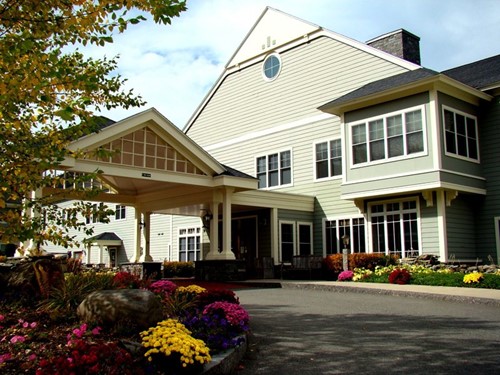
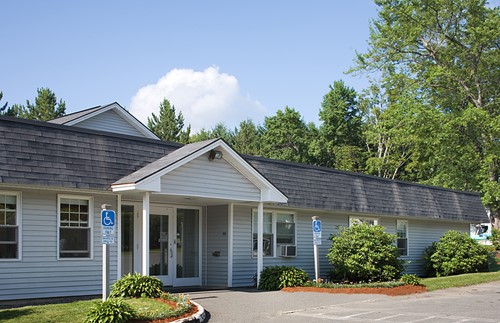
Senior Care in Orono
3 assisted living, nursing & memory care facilities in Orono.
Free Quotes
Get quotes from local pros in Orono
Tell us what you need and we’ll pass it to companies that serve your area. It’s free, and there’s no obligation.

Compare Orono with any city
See how it stacks up on cost, income, and quality of life.
Start Comparing