



City Profile
Bowie, Maryland
USA · Comprehensive city data and intelligence
Bowie is a vibrant and historic city located in Prince George's County, Maryland, having grown from a small railroad stop named Huntington into the largest municipality in the county. Characterized by its expansive suburban neighborhoods, rich local parks, and a strong sense of community pride, the city maintains a balanced blend of peaceful residential living and convenient access to major metropolitan hubs. People frequently move to Bowie for its exceptional school systems, relative safety, and prime location within the Washington, D.C. and Baltimore corridor, making it an attractive destination for families and professionals alike.
Maryland, known as "America in Miniature," offers a diverse landscape from Atlantic coastlines to the Appalachian Mountains, providing a mix of urban, suburban, and rural lifestyles. The state boasts a robust economy, with major industries including information technology, biotechnology, aerospace and defense, and government, significantly influenced by its proximity to Washington D.C.. Living in Maryland generally entails a higher cost of living compared to the national average, particularly for housing and utilities, though it also features a high median household income. The climate is characterized by humid subtropical conditions with warm, humid summers and moderately cold, occasionally snowy winters, with temperatures varying between the eastern and western regions.
How this 60/100 was calculated five components, with every reading behind them
| Component | Readings used | Points | Weight | Contributes |
|---|---|---|---|---|
| Safety | Safety score: 78 / 100 | 78.0 | 30% | 23.4 |
| Affordability | Cost of living index (100 = national baseline): 118.0 | 21.3 | 25% | 5.3 |
| Economy & jobs | Median household income: $141,995 Income needed to live here: $65,000 Unemployment rate: 4.2% | 86.3 | 20% | 17.3 |
| Growth | Population growth rate: 0.45% Job growth rate: 1.8% | 46.1 | 15% | 6.9 |
| Business climate assessment | Business climate assessment: 70 / 100 | 70.0 | 10% | 7.0 |
| Overall score | 59.9 | |||
Provenance.
These figures were produced by the research pass recorded as
Gemini (Tier 2 (reasoned), q=79), last refreshed
11 October 2026.
They are researched estimates drawn from public sources, not a licensed data feed.
Each component is scored against fixed published endpoints, so this number is comparable with any other city and does not move as the dataset grows. Scoring framework 2026.10 — full methodology, weights and accepted ranges.

Featured Events
Happening in Bowie
Featured and sponsored events in Bowie.
Local Directory
Businesses in Bowie
Featured local businesses in Bowie.

Performance
Quality Scores
Expenses
Cost of Living
The cost of living in Bowie is moderately higher than the national average, heavily influenced by its proximity to Washington, D.C. and the broader capital region's robust economy. Housing costs, property taxes, and real estate prices represent the primary drivers of above-average expenses, though they are offset somewhat by exceptionally high median household incomes. Everyday expenditures such as groceries, healthcare, and utilities align closely with regional mid-Atlantic standards, while transportation expenses remain notable due to heavy car dependency for daily commuting.
Income
Salary Insights
Bowie benefits from a resilient and thriving local economy bolstered by its strategic location near federal agencies, defense contractors, and high-tech corridors in Maryland. Major employment sectors span public administration, education via Bowie State University, healthcare services, retail trade, and professional technical services. The remote and hybrid work scene is robust among residents who commute digitally or physically into Washington, D.C., Annapolis, and nearby military installations, supported by high broadband adoption rates.
The average salary in Bowie is $83,000 per year. You would need approximately $65,000 to live comfortably.
Employment
Top Industries
Weather
Climate
Mobility
Transport
Getting around Bowie relies heavily on personal automobiles, with major regional arteries like U.S. Route 301 and Maryland Routes 3 and 50 providing direct access to Annapolis, Washington, D.C., and Baltimore. Public transportation options include local bus routes and nearby MARC commuter rail service, which connects regional commuters directly to Union Station. Walkability varies significantly by neighborhood, with traditional older pockets offering pedestrian access while sprawling suburban subdivisions remain primarily car-dependent.

At a Glance
Pros & Cons
Advantages
Drawbacks
Head to Head
Compare Bowie
Community Q&A
Questions about Bowie
What people ask about living in and moving to Bowie, Maryland.
Is Bowie a safe place to live?
Bowie has a safety score of 78 out of 100, indicating a relatively safe environment compared to many U.S. cities. Crime rates are moderate, with most incidents involving property crimes rather than violent crime. Neighborhoods vary, so checking local crime statistics and talking to residents can give a clearer picture. Staying aware of common safety practices, such as securing your home and being mindful of traffic,...
What is the overall vibe of Bowie for families?
Bowie is known for its suburban feel, with a mix of residential neighborhoods and commercial areas. The community hosts family‑friendly events, and there are several parks and recreational facilities. The city’s population is diverse, and many residents appreciate the balance between quiet living and access to nearby urban amenities. Visiting during different times of day and speaking with neighbors can give you a pe...
How does Bowie’s cost of living compare to the national average?
Bowie’s cost of living index is 118, meaning expenses are about 18% higher than the national average. Housing, food, and transportation costs are typically above the national average. If you earn $83,000 per year, your disposable income may be slightly lower than in a lower‑cost area. Budgeting for higher grocery prices and higher utility bills is advisable. Look at local consumer price reports and compare specific c...
What is the average rent for a one‑bedroom apartment in Bowie?
The average rent in Bowie is $2,370 per month. This figure is for a typical one‑bedroom or two‑bedroom unit in the city. Rent can vary by neighborhood, proximity to transit, and amenities. If you’re on a tight budget, consider looking at shared housing options or apartments slightly outside the city limits. Online rental listings and local real‑estate agents can give you a sense of current market rates and availabili...
What types of jobs are common in Bowie for someone with a bachelor’s in marketing?
Bowie’s employment landscape includes roles in marketing, sales, and customer service across various sectors such as retail, healthcare, and government. Many positions require strong communication and digital skills, which align with a marketing background. To find openings, check local job boards, the city’s employment portal, and professional networking sites that list openings in the region. Tailoring your resume...
What public transportation options are available in Bowie?
Bowie is served by a regional transit authority that offers bus routes connecting the city to neighboring areas and major employment centers. The service includes scheduled routes, real‑time tracking apps, and fare integration with nearby transit systems. For commuters, the transit authority’s website provides route maps, schedules, and fare information. Additionally, bike lanes and pedestrian paths are available for...
What healthcare facilities are nearby for family medicine?
Bowie hosts a mix of primary care practices and outpatient clinics that offer family medicine services. These facilities typically provide routine checkups, preventive care, and chronic disease management. To find a provider that fits your needs, use local health directories or the city’s health services portal. Checking patient reviews and verifying insurance acceptance can help you choose a suitable practice.
What recreational activities can I enjoy in Bowie?
Bowie offers parks, trails, and waterfront areas that are ideal for walking, jogging, and cycling. The city also hosts community events, farmers markets, and cultural festivals throughout the year. Local recreational programs for all ages, such as sports leagues and arts workshops, are available through the city’s parks and recreation department. Checking the city’s events calendar can help you plan visits to these a...
How are the public schools in Bowie rated?
Public schools in Bowie generally receive mixed reviews, with some schools rated above average and others below. Ratings can vary by grade level and specific program offerings. It’s helpful to visit school district websites for detailed performance data, graduation rates, and extracurricular options. Visiting schools in person and speaking with teachers or parents can also provide insight into the learning environmen...
What should I know about moving into Bowie from another state?
When moving to Bowie, consider the higher cost of living and adjust your budget accordingly. Research local utility providers, set up internet and cable services in advance, and register your vehicle and driver’s license with the state’s motor vehicle department. It’s also wise to familiarize yourself with the city’s waste collection schedule and recycling guidelines. Planning these logistics early can ease the trans...
Some answers here were drafted as a starting point and may be out of date. Live in Bowie? Add your own.
FAQ
Frequently Asked Questions
Senior Care in Bowie
91 assisted living, nursing & memory care facilities in Bowie.
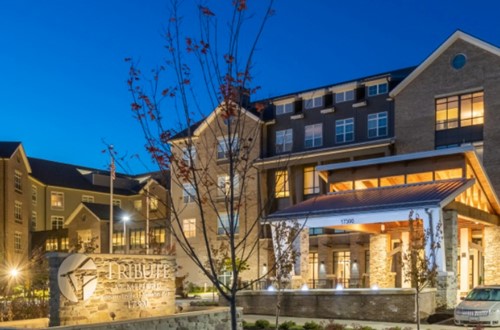 Assisted Living
Tribute at Melford
Bowie, MD
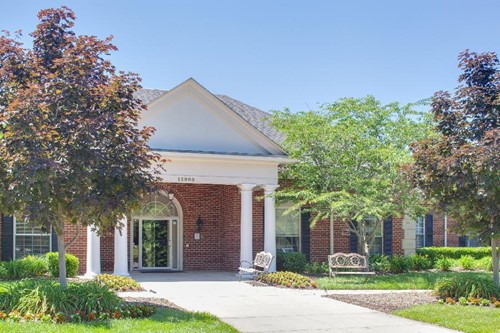 Assisted Living
Larkin Chase Center
Bowie, MD
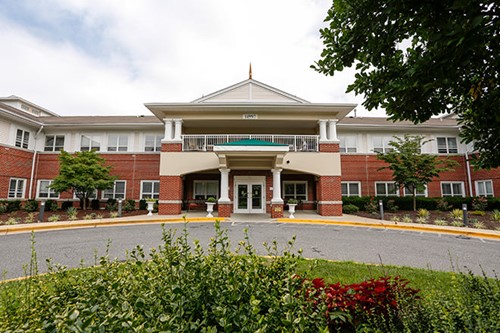 Assisted Living
Brookdale Woodward Estate
Bowie, MD
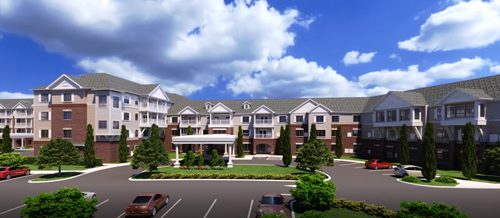 Senior Care
Harmony at Enterprise (OPENING SOON)
Bowie, MD
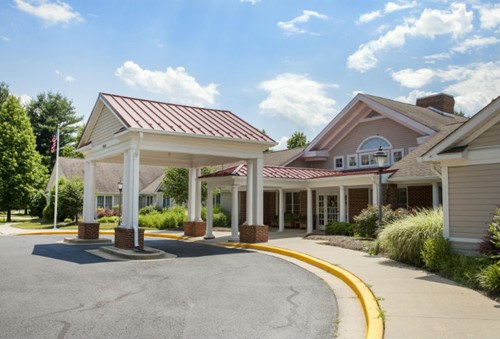 Assisted Living
Charter Senior Living of Bowie
Bowie, MD
Benevolent Care II
Bowie, MD
Hope Gardens Assisted Living Facility
Bowie, MD
Green Haven Assisted Living II
Bowie, MD
Ebenezer Senior And Wellness Services Ii
Bowie, MD
House Of Grace
Bowie, MD
New Horizon Assisted Living Iv
Bowie, MD
Benevolent Care Center
Bowie, MD
Free Quotes
Get quotes from local pros in Bowie
Tell us what you need and we’ll pass it to companies that serve your area. It’s free, and there’s no obligation.

Compare Bowie with any city
See how it stacks up on cost, income, and quality of life.
Start Comparing