



City Profile
Gaithersburg, Maryland
USA · Comprehensive city data and intelligence
Gaithersburg, Maryland, is a vibrant and diverse city located in Montgomery County, northwest of Washington, D.C. It has grown significantly to become one of the largest cities in the state, attracting residents with its strategic location, robust economy, and suburban appeal. The city offers a blend of urban amenities and green spaces, making it an attractive destination for families and professionals alike. Its character is shaped by a diverse population and a strong emphasis on community development and quality of life.
Maryland, known as "America in Miniature," offers a diverse landscape from Atlantic coastlines to the Appalachian Mountains, providing a mix of urban, suburban, and rural lifestyles. The state boasts a robust economy, with major industries including information technology, biotechnology, aerospace and defense, and government, significantly influenced by its proximity to Washington D.C.. Living in Maryland generally entails a higher cost of living compared to the national average, particularly for housing and utilities, though it also features a high median household income. The climate is characterized by humid subtropical conditions with warm, humid summers and moderately cold, occasionally snowy winters, with temperatures varying between the eastern and western regions.
How this 46/100 was calculated five components, with every reading behind them
| Component | Readings used | Points | Weight | Contributes |
|---|---|---|---|---|
| Safety | Safety score: 68 / 100 | 68.0 | 30% | 20.4 |
| Affordability | Cost of living index (100 = national baseline): 143.0 | 0.0 | 25% | 0.0 |
| Economy & jobs | Median household income: $112,467 Income needed to live here: $106,000 Unemployment rate: 3.7% | 55.7 | 20% | 11.1 |
| Growth | Population growth rate: 0.6% Job growth rate: 1.67% | 46.7 | 15% | 7.0 |
| Business climate assessment | Business climate assessment: 70 / 100 | 70.0 | 10% | 7.0 |
| Overall score | 45.5 | |||
Provenance.
These figures were produced by the research pass recorded as
Gemini (Tier 2 (reasoned), q=91 ✓ perfect), last refreshed
23 July 2026.
They are researched estimates drawn from public sources, not a licensed data feed.
Each component is scored against fixed published endpoints, so this number is comparable with any other city and does not move as the dataset grows. Scoring framework 2026.10 — full methodology, weights and accepted ranges.

Featured Events
Happening in Gaithersburg
Featured and sponsored events in Gaithersburg.
Local Directory
Businesses in Gaithersburg
Featured local businesses in Gaithersburg.

Performance
Quality Scores
Expenses
Cost of Living
The cost of living in Gaithersburg is notably higher than the national average, primarily driven by elevated housing expenses. As of 2026, the overall cost of living is estimated to be 43% higher than the U.S. national average. Housing costs, in particular, are a significant factor, being approximately 100.1% more expensive than the national average. While food expenses are slightly below the national average for an individual, transportation and utilities also contribute to the higher cost of living, albeit to a lesser extent. These factors necessitate a higher income to maintain a comfortable lifestyle in the city.
Income
Salary Insights
Gaithersburg boasts a strong and diversified economy with a notable job market. In 2024, employment in the city grew at a rate of 1.67%. The largest industries by employment include Professional, Scientific, & Technical Services, Health Care & Social Assistance, and Public Administration. Major employers and significant presences in the city include Adventist HealthCare, Medimmune, the National Institute of Standards and Technology (NIST), AstraZeneca, IBM, and Lockheed Martin. The city's proximity to Washington, D.C., also provides residents with access to a broader range of employment opportunities, including federal government jobs. The average annual salary in Gaithersburg was reported to be around $93,000 as of May 2026.
The average salary in Gaithersburg is $93,000 per year. You would need approximately $106,000 to live comfortably.
Employment
Top Industries
Weather
Climate
Mobility
Transport
Transportation in Gaithersburg primarily relies on personal vehicles, with most residents driving alone to work. In 2024, 51.6% of workers commuted by driving alone, and the average commute time was 29.4 minutes. While car dependency is medium, the city does offer public transit options, including Ride On bus services and access to the Shady Grove Metro Station, which connects to Washington, D.C. Walkability varies across different areas of the city, with some neighborhoods being more pedestrian-friendly than others. Major highways like I-270 provide regional connectivity to Baltimore and Washington, D.C..

At a Glance
Pros & Cons
Advantages
Drawbacks
Head to Head
Compare Gaithersburg
Community Q&A
Questions about Gaithersburg
What people ask about living in and moving to Gaithersburg, Maryland.
What are the public school options like for families with children?
The city’s public schools are part of a well‑structured district that offers a range of programs, including STEM electives and arts integration. Schools typically have modern facilities and a strong emphasis on college readiness. Parents can review school performance data and visit campuses through the district’s official website or by contacting the district office for detailed information.
Where can I find quality healthcare facilities in Gaithersburg?
Gaithersburg hosts several hospitals and specialty clinics that cover general medicine, pediatrics, and advanced diagnostics. These facilities are part of larger health networks that offer comprehensive services. Visiting the city’s health department website or local directories can help you locate the nearest hospital or specialty clinic and review patient ratings.
What public transportation options are available for commuting?
The city is served by a regional transit authority that offers bus routes connecting to nearby metro lines and commuter rail services. These options provide access to major employment centers and the capital region. Timetables and route maps are available on the transit authority’s website, and mobile apps can help plan trips in real time.
What makes Gaithersburg unique compared to neighboring towns?
Gaithersburg blends a tech‑driven economy with a family‑friendly atmosphere. The city hosts a mix of cultural festivals, historic sites, and modern amenities. Its proximity to research institutions fosters a community that values education and innovation. Residents often enjoy a balance of urban conveniences and suburban tranquility, making it a distinctive place to live.
How does Gaithersburg’s cost of living compare to the national average?
Gaithersburg’s cost of living index is 143, meaning it is 43% higher than the national average. Housing, groceries, and transportation costs are notably above average. While the average salary of $93,000 per year is solid, you’ll likely need to adjust your budget for higher rent and daily expenses. Using online cost‑of‑living calculators can help you estimate monthly outlays more precisely.
What industries dominate the job market in Gaithersburg?
Gaithersburg’s economy is heavily oriented toward technology, research, and healthcare. Many employers focus on software development, biomedical research, and advanced manufacturing. The city’s proximity to major research institutions and corporate campuses creates a steady demand for skilled engineers. Checking local job boards and professional networking sites can give you a current snapshot of openings in these se...
Is Gaithersburg a safe place to live?
Gaithersburg has a safety score of 68 out of 100, which is above the national average for many suburban areas. Neighborhoods vary, but overall crime is moderate, with most incidents involving non‑violent offenses. Checking local crime statistics through city publications or community forums can provide a clearer picture of specific areas you’re considering.
What is the average rent for a one-bedroom apartment in Gaithersburg?
The average monthly rent for a one-bedroom apartment in Gaithersburg is about $1,784. This figure reflects the current market and is useful for comparing listings on local rental sites or contacting real estate agents. Keep in mind that rent can vary by neighborhood and building amenities, so it’s wise to view multiple options and negotiate where possible.
What are some popular recreational activities in Gaithersburg?
The city offers a variety of parks, trails, and community centers that host sports leagues, cultural festivals, and fitness classes. Seasonal events such as farmers markets, music concerts, and art fairs are common. Checking the city’s event calendar or community bulletin board will give you up‑to‑date information on upcoming activities.
What should I know about moving into Gaithersburg?
When moving to Gaithersburg, it’s helpful to research local utility providers, register for the city’s resident portal, and understand the zoning rules for residential areas. Planning a move during off‑peak months can reduce costs, and using local moving services that specialize in the region can streamline the process. Don’t forget to update your address with banks, subscription services, and the postal system.
Some answers here were drafted as a starting point and may be out of date. Live in Gaithersburg? Add your own.
FAQ
Frequently Asked Questions
Senior Care in Gaithersburg
24 assisted living, nursing & memory care facilities in Gaithersburg.
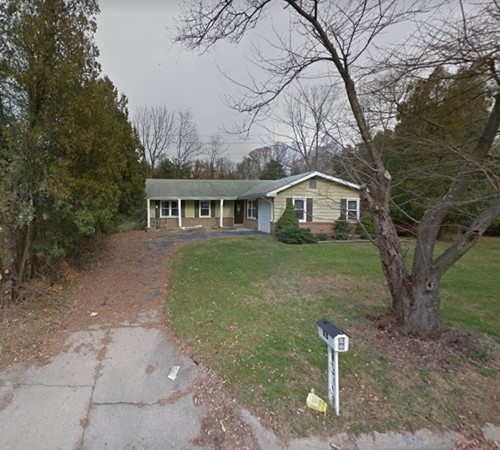 Assisted Living
Holy Care Assisted Living
Gaithersburg, MD
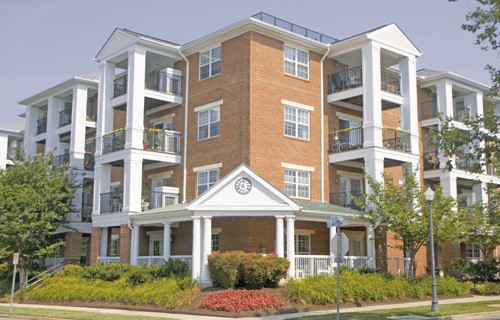 Assisted Living
Kentlands Manor
Gaithersburg, MD
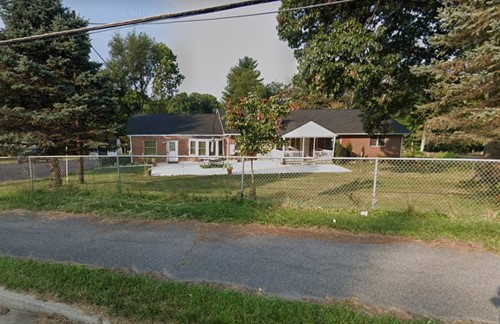 Assisted Living
Fatima's Assisted Living
Gaithersburg, MD
 Assisted Living
Alisha's Home Assisted Living
Gaithersburg, MD
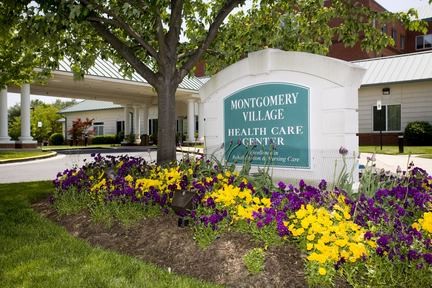 Assisted Living
Montgomery Village Health Care Center
Gaithersburg, MD
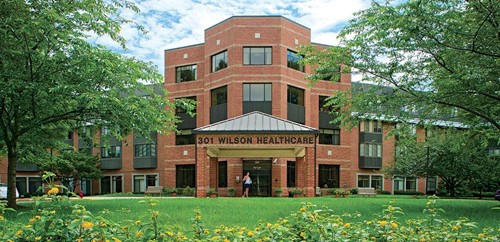 Assisted Living
Wilson Health Care Center
Gaithersburg, MD
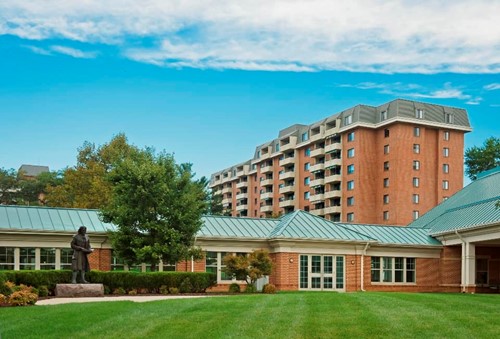 Assisted Living
Asbury Methodist Village
Gaithersburg, MD
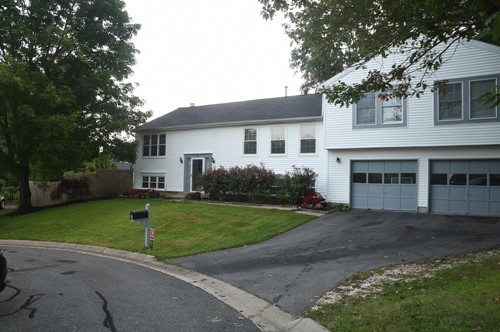 Assisted Living
Darling Haven Assisted Living
Gaithersburg, MD
 Assisted Living
Join Hands Assisted Living
Gaithersburg, MD
Nightingale House
Gaithersburg, MD
Tranquil Loving Care
Gaithersburg, MD
Lins House
Gaithersburg, MD
City Guide
Explore Gaithersburg
Free Quotes
Get quotes from local pros in Gaithersburg
Tell us what you need and we’ll pass it to companies that serve your area. It’s free, and there’s no obligation.

Compare Gaithersburg with any city
See how it stacks up on cost, income, and quality of life.
Start Comparing