



City Profile
Columbia, Maryland
USA · Comprehensive city data and intelligence
Columbia, Maryland, established in the 1960s by developer James W. Rouse, is a master-planned community renowned for its innovative design and emphasis on quality of life. Conceived as a collection of ten self-contained villages, each with its own amenities, Columbia aims to foster a strong sense of community and provide residents with convenient access to daily necessities and recreational opportunities. The city's extensive network of pathways and abundant green spaces are central to its character, encouraging walkability and outdoor activity. People are drawn to Columbia for its highly-rated schools, diverse population, and a robust economy that offers significant job opportunities, particularly in professional and technical services, healthcare, and education.
Columbia consistently receives national recognition for its livability, often appearing on lists of the best and happiest places to live in the United States. Its strategic location between Baltimore and Washington D.C. makes it an attractive residential choice for commuters, while its local economy provides a stable and thriving environment. The city's commitment to cultural events, recreational facilities, and a welcoming atmosphere contributes to its reputation as a desirable place to live, work, and raise a family.
Maryland, known as "America in Miniature," offers a diverse landscape from Atlantic coastlines to the Appalachian Mountains, providing a mix of urban, suburban, and rural lifestyles. The state boasts a robust economy, with major industries including information technology, biotechnology, aerospace and defense, and government, significantly influenced by its proximity to Washington D.C.. Living in Maryland generally entails a higher cost of living compared to the national average, particularly for housing and utilities, though it also features a high median household income. The climate is characterized by humid subtropical conditions with warm, humid summers and moderately cold, occasionally snowy winters, with temperatures varying between the eastern and western regions.
How this 56/100 was calculated five components, with every reading behind them
| Component | Readings used | Points | Weight | Contributes |
|---|---|---|---|---|
| Safety | Safety score: 75 / 100 | 75.0 | 30% | 22.5 |
| Affordability | Cost of living index (100 = national baseline): 130.0 | 6.3 | 25% | 1.6 |
| Economy & jobs | Median household income: $131,490 Income needed to live here: $85,000 Unemployment rate: 2.6% | 92.9 | 20% | 18.6 |
| Growth | Population growth rate: 0.45% Job growth rate: 1.4% | 42.1 | 15% | 6.3 |
| Business climate assessment | Business climate assessment: 70 / 100 | 70.0 | 10% | 7.0 |
| Overall score | 56.0 | |||
Provenance.
These figures were produced by the research pass recorded as
Gemini (Tier 2 (reasoned), q=93 ✓ perfect), last refreshed
24 August 2026.
They are researched estimates drawn from public sources, not a licensed data feed.
Each component is scored against fixed published endpoints, so this number is comparable with any other city and does not move as the dataset grows. Scoring framework 2026.10 — full methodology, weights and accepted ranges.

Featured Events
Happening in Columbia
Featured and sponsored events in Columbia.
Local Directory
Businesses in Columbia
Featured local businesses in Columbia.

Performance
Quality Scores
Expenses
Cost of Living
The cost of living in Columbia, Maryland, is notably higher than the national average, with overall expenses estimated to be 30% above the U.S. average. Housing costs are a primary driver of this elevated index, being approximately 91% higher than the national average. Rent prices reflect this trend, with the average monthly rent for an apartment around $2,069.
While housing is a significant expense, other categories also contribute to the higher cost of living. Utilities are about 18% higher than the national average, and groceries are approximately 2% higher. Transportation costs, including gas prices, are generally in line with the national average. These factors mean that residents typically require a higher income to maintain a comfortable standard of living in Columbia compared to many other U.S. cities.
Income
Salary Insights
Columbia boasts a robust and diverse economy, making it a strong job market within Maryland. The city's unemployment rate was projected at 2.6% for Howard County in November 2024, significantly lower than the national average. Key industries driving Columbia's economy include Professional, Scientific, & Technical Services, Health Care & Social Assistance, and Educational Services, which collectively employ a large portion of the workforce. Public Administration and Information Technology also represent significant sectors.
Major employers such as Johns Hopkins Applied Physics Laboratory, Johns Hopkins Howard County Medical Center, and Howard Community College contribute to a stable job landscape. While Maryland's overall new business applications saw a modest 0.5% increase from December 2022 to December 2023, Columbia's established economic base and proximity to major metropolitan areas like Baltimore and Washington D.C. continue to attract professionals. The city has also been recognized for its strong net employment outlook, indicating ongoing opportunities for job seekers.
The average salary in Columbia is $70,370 per year. You would need approximately $85,000 to live comfortably.
Employment
Top Industries
Weather
Climate
Mobility
Transport
Getting around Columbia primarily involves driving, though the city's planned design incorporates elements that support alternative modes of transport. The average commute time for residents is approximately 27.9 minutes, which is comparable to the national average. Major roadways like Snowden River Parkway and Broken Land Parkway are essential for connectivity but can experience congestion.
Columbia has a moderate walkability score of 60, with specific neighborhoods like Downtown Columbia and the Merriweather District being highly walkable, offering easy access to dining, retail, and entertainment on foot. The city also has a transit score of 40, indicating some public transportation options, including MTA commuter bus routes connecting to Baltimore and Washington D.C. The extensive pathway system further enhances bikeability and pedestrian access between villages and amenities.

At a Glance
Pros & Cons
Advantages
Drawbacks
Head to Head
Compare Columbia
Community Q&A
Questions about Columbia
What people ask about living in and moving to Columbia, Maryland.
How does Columbia's cost of living compare to the national average?
Columbia’s cost‑of‑living index is 130, meaning expenses are about 30 % higher than the U.S. average (which is set at 100). This higher index reflects higher housing costs, transportation, and everyday goods. Your salary of $70,370 per year is also above the national median, which helps offset the increased expenses. When budgeting, factor in the higher rent, slightly higher grocery and service prices, and the cost o...
How safe is Columbia for families?
Columbia has a safety score of 75 out of 100, indicating a relatively safe environment compared with many U.S. cities. The city’s planned community design, active neighborhood watch programs, and well‑staffed police department contribute to lower violent‑crime rates. For up‑to‑date crime statistics, you can consult the city’s public safety dashboard or the state’s crime reporting portal, which break down incidents by...
What is the typical rent for a one‑bedroom apartment in Columbia?
The average rent in Columbia is about $2,069 per month, according to recent data. One‑bedroom units in central areas tend to be close to that figure, while smaller studios may be slightly lower and larger two‑bedroom units higher. Because Columbia’s cost‑of‑living index is 130, you can expect rents to be roughly 30 % above the national average. To get the most accurate numbers, check current listings on regional rent...
Are the public schools in Columbia well‑rated?
Columbia is served by a public school district that generally receives above‑average ratings compared with state and national benchmarks. Test scores, graduation rates, and extracurricular offerings tend to be solid, reflecting the district’s investment in facilities and programs. For the most current performance data, visit the state’s department of education website and the school district’s portal, where report ca...
What should I know about utilities and services when moving to Columbia?
When you move to Columbia, you’ll need to arrange for electricity, natural gas, water, and wastewater services, which are provided by regional utility companies. Internet and cable options are offered by several providers that cover the area. Trash and recycling collection is managed by the city’s public works department, with schedules and guidelines posted on the municipal website. It’s a good idea to set up accoun...
What public transportation options are available in Columbia?
Columbia is served by a regional transit authority that operates bus routes connecting the city to neighboring suburbs and major employment centers. There are also commuter rail stations within a short drive that link to larger metropolitan areas. Service schedules, fare information, and route maps are available on the transit authority’s website, and many routes are equipped with real‑time tracking apps. If you need...
Is Columbia a good place for young professionals?
Columbia’s average salary of $70,370 and its proximity to major employment hubs make it attractive for young professionals. The city’s planned neighborhoods, mixed‑use developments, and active social scene provide opportunities for networking, dining, and recreation. A cost‑of‑living index of 130 means expenses are higher than the national average, but the higher average wages help balance the budget. For a sense of...
What is the average salary in Columbia and how does it affect job prospects?
The average annual salary in Columbia is $70,370. This figure is higher than the national median wage, indicating a relatively competitive job market, especially for professional and technical roles. The city’s proximity to major employment hubs and a diversified local economy support a range of opportunities in sectors such as technology, healthcare, education, and government. To gauge specific opportunities, explor...
What recreational activities are popular in Columbia?
Columbia offers a variety of parks, lakes, and walking trails that support hiking, biking, and water activities. The city also hosts cultural festivals, art exhibitions, and community concerts throughout the year, many of which are organized by the municipal parks and recreation department. For a calendar of events, check the city’s official website or the local tourism board, which list upcoming activities, registra...
Where can I find hospitals or clinics near my new home in Columbia?
The city has several major medical centers and a network of outpatient clinics that provide comprehensive care, including emergency services, specialty care, and primary care. Most facilities are part of larger health systems and are located near main thoroughfares for easy access. To locate a provider that matches your specific health needs, use the state health department’s provider directory or the health system’s...
Some answers here were drafted as a starting point and may be out of date. Live in Columbia? Add your own.
FAQ
Frequently Asked Questions
Businesses for Sale in Columbia
Explore active acquisition & franchise opportunities .
Senior Care in Columbia
37 assisted living, nursing & memory care facilities in Columbia.
 Senior Care
Family & Nursing Care
Columbia, MD
 Senior Care
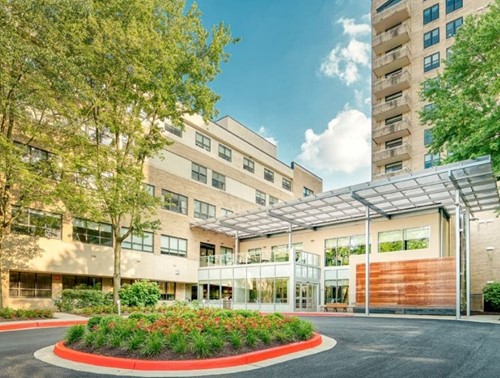
Vantage House
Columbia, MD
 Assisted Living
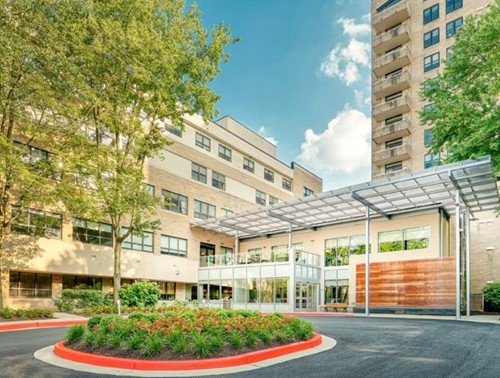
Residences At Vantage Point
Columbia, MD
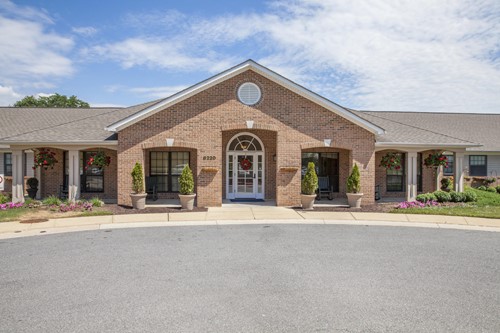 Assisted Living
Charter Senior Living of Columbia
Columbia, MD
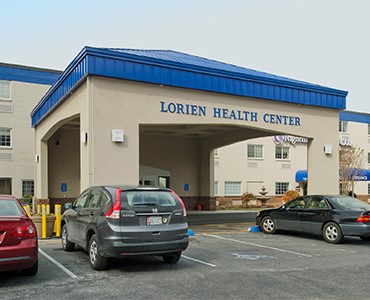 Assisted Living
Lorien Health Systems - Columbia
Columbia, MD
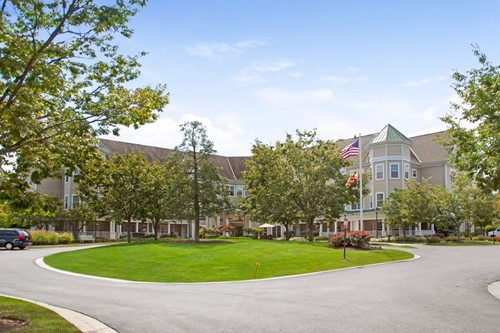 Assisted Living
Sunrise of Columbia
Columbia, MD
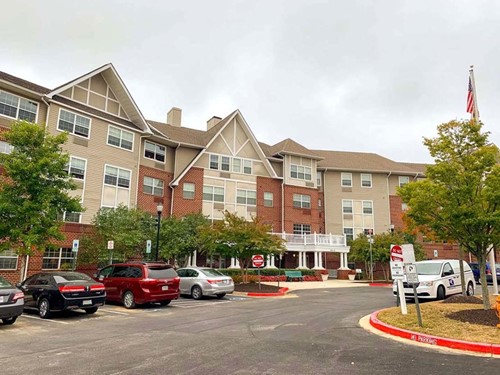 Senior Care
Park View at Snowden River
Columbia, MD
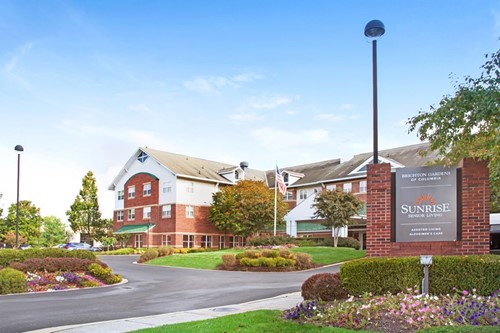 Assisted Living
Brighton Gardens of Columbia
Columbia, MD
A Dovely Place Assisted Living
Columbia, MD
April Bloom Assisted Living
Columbia, MD
Ashleigh's Place
Columbia, MD
Centerwell Home Health
Columbia, MD
City Guide
Explore Columbia
Free Quotes
Get quotes from local pros in Columbia
Tell us what you need and we’ll pass it to companies that serve your area. It’s free, and there’s no obligation.

Compare Columbia with any city
See how it stacks up on cost, income, and quality of life.
Start Comparing