



Missouri, known as the "Show-Me State," offers a diverse landscape from the Ozark Mountains to the Missouri River, characterized by a continental climate with hot, humid summers and cold winters, experiencing all four seasons. Its economy is highly diversified, with major industries including agriculture, manufacturing (especially transportation equipment and food processing), financial services, and a growing presence in high-tech fields like agtech and cybersecurity. Living in Missouri is generally affordable, consistently ranking among the states with the lowest cost of living, with housing costs significantly below the national average. The lifestyle offers a blend of urban amenities in cities like St. Louis and Kansas City, known for their arts, music, and professional sports, alongside abundant outdoor recreation opportunities.

Featured Events
Happening in Kansas City
Featured and sponsored events in Kansas City.
Local Directory
Businesses in Kansas City
Featured local businesses in Kansas City.


Community Q&A
Questions about Kansas City
What people ask about living in and moving to Kansas City, Missouri.
How does Kansas City compare to the national cost of living?
Kansas City’s overall cost of living is about 4 % higher than the national average. This includes modestly higher prices for groceries, utilities, and transportation, but housing remains relatively affordable. If your salary is in line with the city’s median income, you should find a comfortable budget for everyday expenses. For a detailed comparison, check reputable cost‑of‑living calculators or the U.S. Census Bure...
What industries are most common for jobs in Kansas City?
Kansas City hosts a diverse economy with strong sectors in logistics, healthcare, technology, and manufacturing. The city’s central location and transportation infrastructure make it a hub for distribution and supply chain roles. For job seekers, industry-specific job boards, local business chambers, and career fairs can provide targeted listings and networking opportunities.
How do public schools in Kansas City rank overall?
Public schools in Kansas City vary in performance across districts. Some schools receive high ratings for academic achievement and extracurricular programs, while others are rated average or below. Parents should review school performance reports, visit campuses, and talk to current parents to assess fit. State education department websites provide standardized test scores and school accountability ratings.
Is Kansas City considered safe for families?
Crime rates in Kansas City are higher than the national average in some neighborhoods, particularly for property crime. However, many residential areas have low violent crime rates and active community watch programs. Checking neighborhood crime statistics from local police department releases and community forums can help you identify safe zones and compare them to your personal comfort level.
What public transportation options are available in Kansas City?
Kansas City offers a network of bus routes and a regional light rail system that connect downtown with suburbs and key employment centers. Service frequency varies by line, with peak hours seeing more frequent buses. Riders can plan trips using the city transit authority’s website, which provides schedules, real‑time tracking, and fare information.
How many hospitals are there in Kansas City?
Kansas City hosts several major hospitals, including teaching and specialty centers. These facilities offer a range of services from emergency care to advanced surgical procedures. For specific needs, consult local hospital directories or the state health department’s listings to find the nearest provider and verify their specialties.
What’s the average price for a single family home in Kansas City?
The median price for a single‑family home in Kansas City is around $200,000. Prices vary by neighborhood, with some areas slightly above or below this figure. When evaluating a home, consider factors like proximity to amenities, local school quality, and future development plans. Local real‑estate listings and neighborhood guides can give you a clearer picture of current market trends.
What’s the average rent for a one‑bedroom apartment?
A typical one‑bedroom apartment rents for about $1,000 per month in Kansas City. Rental rates can fluctuate based on location, building amenities, and lease length. To find the best fit, browse online rental portals, consult local property management firms, and read tenant reviews to gauge maintenance and community standards.
What are the must‑visit cultural spots in Kansas City?
Kansas City features a vibrant arts scene with museums showcasing regional history, contemporary art galleries, and live theater venues. The city’s culinary reputation includes iconic barbecue and a growing craft‑beer scene. Outdoor enthusiasts can enjoy riverfront parks and historic neighborhoods. City tourism guides and local event calendars list current exhibitions, festivals, and seasonal activities.
What should I know about moving into Kansas City from out of state?
When moving to Kansas City, research local utility providers, set up a new bank account, and register for the state driver’s license within the required timeframe. It’s wise to compare moving companies for cost and reviews, and to schedule a pre‑move inspection of your new home to identify any needed repairs. Additionally, familiarize yourself with the city’s zoning and property tax regulations to avoid surprises.
Some answers here were drafted as a starting point and may be out of date. Live in Kansas City? Add your own.
FAQ
Frequently Asked Questions
Businesses for Sale in Kansas City
Explore active acquisition & franchise opportunities .

Senior Care in Kansas City
89 assisted living, nursing & memory care facilities in Kansas City.
 Senior Care
Advanced Home Health and Hospice of Kansas City
Kansas City, MO
 Senior Care
Saint Luke's Hospice House
Kansas City, MO
 Senior Care
Don Bosco Senior Center
Kansas City, MO
 Senior Care
All Yours Home Health
Kansas City, MO
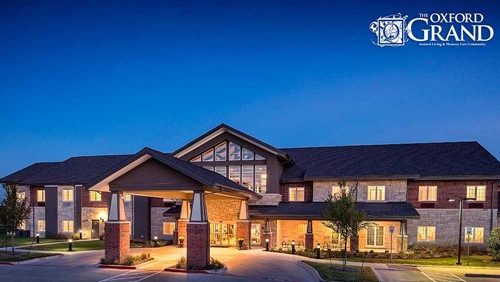 Assisted Living
The Oxford Grand Assisted Living & Memory Care
Kansas City, MO
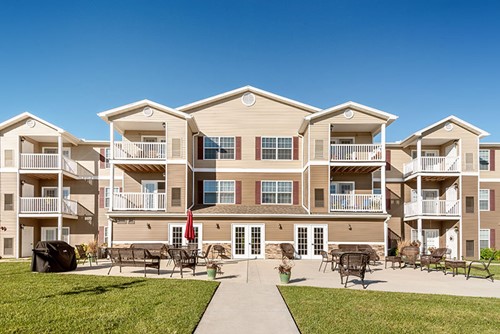 Senior Care
Connect55+ Kansas City
Kansas City, MO
 Assisted Living
Ignite Medical Resort KC Northland
Kansas City, MO
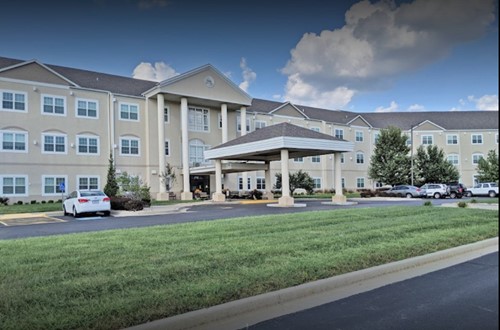 Senior Care
Primrose Retirement Community of Kansas City
Kansas City, MO
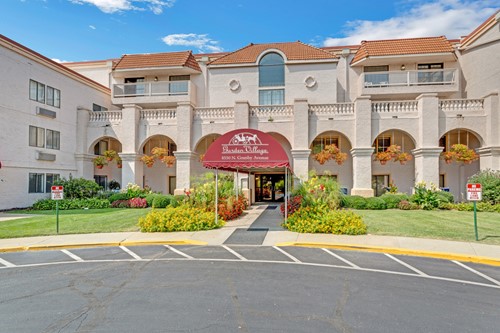 Senior Care
Garden Village
Kansas City, MO
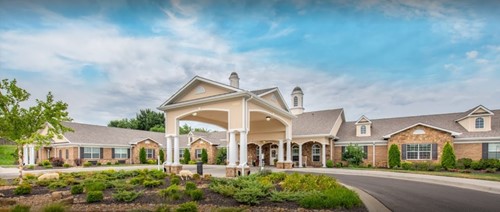 Assisted Living
Benton House of Tiffany Springs
Kansas City, MO
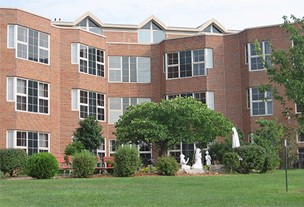 Senior Care
Jeanne Jugan Center - Independent Living
Kansas City, MO
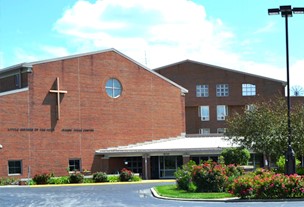 Assisted Living
Jeanne Jugan Center
Kansas City, MO
City Guide
Explore Kansas City
Free Quotes
Get quotes from local pros in Kansas City
Tell us what you need and we’ll pass it to companies that serve your area. It’s free, and there’s no obligation.

Compare Kansas City with any city
See how it stacks up on cost, income, and quality of life.
Start Comparing