



City Profile
Keene, New Hampshire
USA · Comprehensive city data and intelligence
Keene, New Hampshire, is a vibrant city nestled in the southwestern corner of the state, serving as the county seat of Cheshire County and the region's primary hub for commerce, culture, and education. Known for its well-preserved historic downtown, characterized by beautiful brick mill buildings repurposed for modern use, Keene offers a unique blend of small-city charm and New England character. The city's strong community spirit, coupled with its proximity to natural attractions like Mount Monadnock, draws residents seeking a balanced lifestyle. Keene's identity is also shaped by its role as a college town, home to Keene State College and Antioch University New England, which contribute to its lively atmosphere and educational resources.
Founded in 1753, Keene boasts a rich history evident in its well-maintained architecture, including numerous Georgian-style buildings that reflect its colonial past and industrial growth. This historical depth, combined with a thriving arts scene, diverse dining options, and numerous festivals, creates a dynamic cultural landscape. The city's commitment to historic preservation is notable, with initiatives aimed at restoring and reusing prominent historic properties, enhancing its aesthetic appeal and economic viability. Residents often highlight the friendly atmosphere, the abundance of outdoor recreational opportunities, and the strong sense of civic engagement as key reasons for choosing Keene as their home.
New Hampshire, known as the "Granite State," offers a blend of scenic beauty, small-town charm, and a strong sense of community, appealing to those seeking outdoor recreation and a peaceful lifestyle. The economy is diverse, with major industries including smart manufacturing/high technology, healthcare, and tourism. While the cost of living is generally 10-15% above the national average, driven by higher housing costs and property taxes, residents benefit from no state income or sales tax. The state experiences distinct seasons, with cold, snowy winters and warm summers, and its lifestyle emphasizes independence and outdoor activities.
How this 62/100 was calculated five components, with every reading behind them
| Component | Readings used | Points | Weight | Contributes |
|---|---|---|---|---|
| Safety | Safety score: 70 / 100 | 70.0 | 30% | 21.0 |
| Affordability | Cost of living index (100 = national baseline): 90.0 | 56.3 | 25% | 14.1 |
| Economy & jobs | Median household income: $78,445 Income needed to live here: $65,000 Unemployment rate: 2.6% | 71.7 | 20% | 14.3 |
| Growth | Population growth rate: 0.07% Job growth rate: 1.5% | 38.4 | 15% | 5.8 |
| Business climate assessment | Business climate assessment: 65 / 100 | 65.0 | 10% | 6.5 |
| Overall score | 61.7 | |||
Provenance.
These figures were produced by the research pass recorded as
Gemini (Tier 3 (deep think), q=96 ✓ perfect), last refreshed
30 August 2026.
They are researched estimates drawn from public sources, not a licensed data feed.
Each component is scored against fixed published endpoints, so this number is comparable with any other city and does not move as the dataset grows. Scoring framework 2026.10 — full methodology, weights and accepted ranges.

Featured Events
Happening in Keene
Featured and sponsored events in Keene.
Local Directory
Businesses in Keene
Featured local businesses in Keene.

Performance
Quality Scores
Expenses
Cost of Living
Keene offers a cost of living that is generally more affordable than the national average, making it an attractive option for individuals and families looking for value in New England. While specific cost indices can vary, sources suggest Keene is significantly less expensive than major metropolitan areas like Boston or New York City. This affordability extends to various aspects of daily life, though housing costs, while below the state average, represent a significant portion of expenses for residents.
The cost of living in Keene is influenced by factors such as housing prices, utilities, and everyday goods. While New Hampshire boasts no state income tax on earned wages, residents still face costs associated with property taxes and general consumer expenses. The city's median household income, while lower than the national average, aligns with its cost of living, suggesting a reasonable balance for many residents. Overall, Keene provides a more budget-friendly environment compared to many other New England cities, contributing to its appeal for those seeking a high quality of life without the premium price tag.
Income
Salary Insights
Keene's economy is driven by a diverse range of industries, with Health Care & Social Assistance, Retail Trade, and Educational Services being prominent sectors. Major employers include Cheshire Medical Center (part of Dartmouth Health), Keene State College, and the Keene School District, providing a stable employment base for the region. The city also benefits from a strong presence in manufacturing, professional, scientific, and technical services, and accommodation and food services, reflecting its role as a regional economic hub.
The job market in Keene is characterized by its stability, supported by both established institutions and a growing number of small businesses. The city actively promotes entrepreneurship through initiatives like the Hannah Grimes Center for Entrepreneurship, fostering a supportive environment for new ventures. While the job growth rate may be moderate, Keene's economic resilience is bolstered by its diversified industry base and its strategic position within the Monadnock Region, offering a balance of career opportunities and a desirable quality of life.
The average salary in Keene is $63,960 per year. You would need approximately $65,000 to live comfortably.
Employment
Top Industries
Weather
Climate
Mobility
Transport
Keene is a city where car dependency is moderate to high, as indicated by its walkability and transit scores. The average commute time within Keene is around 23.7 minutes, which is shorter than the national average. While much of the city is navigable on foot or by bike, especially the downtown core, public transportation options are limited, with a low transit score of 30.
For longer distances, residents rely on personal vehicles, and car ownership is typical, with an average of two cars per household. Keene's location provides access to major transportation routes, with Boston approximately two hours away, and regional airports like Manchester-Boston Regional Airport (MHT) about an hour's drive. The Keene Dillant Hopkins Airport (EEN) also serves as a resource for local businesses and private aviation.

At a Glance
Pros & Cons
Advantages
Drawbacks
Head to Head
Compare Keene
Community Q&A
Questions about Keene
What people ask about living in and moving to Keene, New Hampshire.
FAQ
Frequently Asked Questions
Senior Care in Keene
8 assisted living, nursing & memory care facilities in Keene.
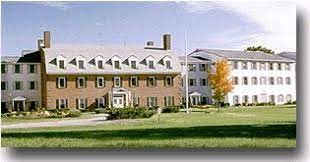 Assisted Living
Langdon Place of Keene
Keene, NH
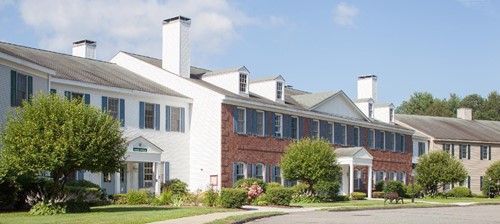 Assisted Living
Langdon Place Of Keene
Keene, NH
 Assisted Living
Alpine Healthcare Center
Keene, NH
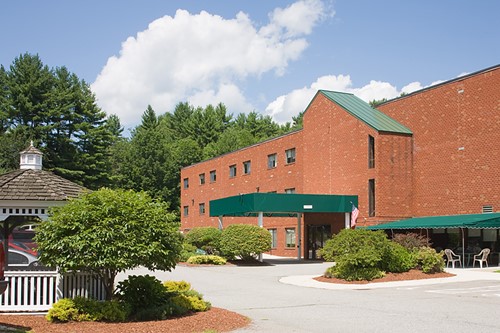 Assisted Living
Keene Center
Keene, NH
Assisted Living
Langdon Place of Keene
Keene, NH
Assisted Living
Langdon Place Of Keene
Keene, NH
Assisted Living
Alpine Healthcare Center
Keene, NH
Assisted Living
Keene Center
Keene, NH
City Guide
Explore Keene
Free Quotes
Get quotes from local pros in Keene
Tell us what you need and we’ll pass it to companies that serve your area. It’s free, and there’s no obligation.

Compare Keene with any city
See how it stacks up on cost, income, and quality of life.
Start Comparing