



City Profile
Derry, New Hampshire
USA · Comprehensive city data and intelligence
Derry, New Hampshire, is a town steeped in history, tracing its origins to Scots-Irish settlers in 1719 who established it as part of Londonderry. Known as "Spacetown" due to being the birthplace of astronaut Alan Shepard, it also hosted the poet Robert Frost. Historically a hub for linen and leather, Derry later saw industrial growth with shoe factories and experienced a significant suburban expansion post-World War II, fueled by its proximity to Boston and Manchester. Today, Derry offers a blend of small-town charm, historical significance, and convenient access to major metropolitan areas, making it an attractive place to live for those seeking a balanced lifestyle.
New Hampshire, known as the "Granite State," offers a blend of scenic beauty, small-town charm, and a strong sense of community, appealing to those seeking outdoor recreation and a peaceful lifestyle. The economy is diverse, with major industries including smart manufacturing/high technology, healthcare, and tourism. While the cost of living is generally 10-15% above the national average, driven by higher housing costs and property taxes, residents benefit from no state income or sales tax. The state experiences distinct seasons, with cold, snowy winters and warm summers, and its lifestyle emphasizes independence and outdoor activities.
How this 65/100 was calculated five components, with every reading behind them
| Component | Readings used | Points | Weight | Contributes |
|---|---|---|---|---|
| Safety | Safety score: 90 / 100 | 90.0 | 30% | 27.0 |
| Affordability | Cost of living index (100 = national baseline): 112.0 | 28.8 | 25% | 7.2 |
| Economy & jobs | Median household income: $108,944 Income needed to live here: $62,000 Unemployment rate: 2.8% | 95.0 | 20% | 19.0 |
| Growth | Population growth rate: 0.4% Job growth rate: no usable reading | 35.0 | 15% | 5.3 |
| Business climate assessment | Business climate assessment: 70 / 100 | 70.0 | 10% | 7.0 |
| Overall score | 65.4 | |||
Provenance.
These figures were produced by the research pass recorded as
Tier 3 (deep think) (q=63, partial — below threshold), last refreshed
5 September 2026.
They are researched estimates drawn from public sources, not a licensed data feed.
Each component is scored against fixed published endpoints, so this number is comparable with any other city and does not move as the dataset grows. Scoring framework 2026.10 — full methodology, weights and accepted ranges.

Featured Events
Happening in Derry
Featured and sponsored events in Derry.
Local Directory
Businesses in Derry
Featured local businesses in Derry.

Performance
Quality Scores
Expenses
Cost of Living
Derry's cost of living is approximately 12% higher than the national average, with housing being a primary driver of these elevated expenses, costing about 32% more than the national average [16]. While utilities and transportation costs are closer to the national average, the overall expense of living in Derry makes it a more costly place to reside compared to the U.S. average. This higher cost of living is a key factor for individuals and families considering relocation to the area, necessitating careful budgeting and salary considerations [15, 16].
Income
Salary Insights
The economic landscape of Derry is shaped by key industries including Health Care & Social Assistance, Manufacturing, and Retail Trade, which collectively employ a significant portion of its workforce [3]. While recent data indicates a slight decline in overall employment, Derry's strategic location in southern New Hampshire, coupled with available development opportunities, positions it as a viable choice for businesses looking to establish or expand operations [3, 42]. The town boasts a low projected unemployment rate of 2.8% for July 2026, indicating a stable job market [26].
The average salary in Derry is $72,000 per year. You would need approximately $62,000 to live comfortably.
Employment
Top Industries
Weather
Climate
Mobility
Transport
Derry is predominantly car-dependent, reflected in its low walkability score of 28, suggesting that most errands require a vehicle [7]. The average commute time for residents is approximately 29.3 minutes [3]. While public transportation is available through the Cooperative Alliance for Regional Transportation (CART), its services are described as limited, focusing on specific routes and demand-response options [28, 36].

At a Glance
Pros & Cons
Advantages
Drawbacks
Head to Head
Compare Derry
Community Q&A
Questions about Derry
What people ask about living in and moving to Derry, New Hampshire.
FAQ
Frequently Asked Questions
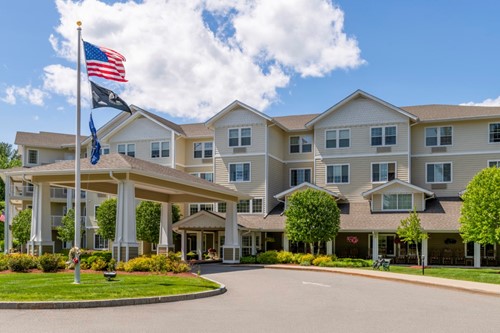
Senior Care in Derry
4 assisted living, nursing & memory care facilities in Derry.

City Guide
Explore Derry
Free Quotes
Get quotes from local pros in Derry
Tell us what you need and we’ll pass it to companies that serve your area. It’s free, and there’s no obligation.

Compare Derry with any city
See how it stacks up on cost, income, and quality of life.
Start Comparing