



City Profile
Exeter, New Hampshire
USA · Comprehensive city data and intelligence
Exeter is a historic town located in Rockingham County, New Hampshire, founded in 1638 by colonial leader John Wheelwright. Best known as the home of the prestigious Phillips Exeter Academy and the birthplace of the New Hampshire Republican Party, the town blends rich American history with New England charm. Situated along the Squamscott River, it offers a picturesque downtown area featuring brick nineteenth-century commercial blocks, independent boutiques, and acclaimed local eateries.
Residents and newcomers are consistently drawn to Exeter for its exceptional school systems, tight-knit community feel, and strategic location near the New Hampshire seacoast. The town maintains a balanced approach to development, preserving its historical architecture while supporting modern civic amenities and local enterprise. Its vibrant community calendar includes annual events like the Exeter UFO Festival and various seasonal farmers' markets that foster deep local engagement.
New Hampshire, known as the "Granite State," offers a blend of scenic beauty, small-town charm, and a strong sense of community, appealing to those seeking outdoor recreation and a peaceful lifestyle. The economy is diverse, with major industries including smart manufacturing/high technology, healthcare, and tourism. While the cost of living is generally 10-15% above the national average, driven by higher housing costs and property taxes, residents benefit from no state income or sales tax. The state experiences distinct seasons, with cold, snowy winters and warm summers, and its lifestyle emphasizes independence and outdoor activities.
How this 62/100 was calculated five components, with every reading behind them
| Component | Readings used | Points | Weight | Contributes |
|---|---|---|---|---|
| Safety | Safety score: 85 / 100 | 85.0 | 30% | 25.5 |
| Affordability | Cost of living index (100 = national baseline): 118.0 | 21.3 | 25% | 5.3 |
| Economy & jobs | Median household income: $95,400 Income needed to live here: $68,000 Unemployment rate: 3.1% | 80.8 | 20% | 16.2 |
| Growth | Population growth rate: 0.8% Job growth rate: 1.8% | 50.5 | 15% | 7.6 |
| Business climate assessment | Business climate assessment: 74 / 100 | 74.0 | 10% | 7.4 |
| Overall score | 61.9 | |||
Provenance.
These figures were produced by the research pass recorded as
Tier 1 (fast) (q=52, partial — below threshold), last refreshed
17 October 2026.
They are researched estimates drawn from public sources, not a licensed data feed.
Each component is scored against fixed published endpoints, so this number is comparable with any other city and does not move as the dataset grows. Scoring framework 2026.10 — full methodology, weights and accepted ranges.

Featured Events
Happening in Exeter
Featured and sponsored events in Exeter.
Local Directory
Businesses in Exeter
Featured local businesses in Exeter.

Performance
Quality Scores
Expenses
Cost of Living
The cost of living in Exeter is notably higher than the national average, driven primarily by strong regional housing demand and proximity to both Boston and the New Hampshire coastline. Housing costs, property taxes, and overall consumer goods reflect the broader economic pressures of the New England seacoast real estate market. However, New Hampshire's lack of a general state sales tax and broad personal income tax offers some financial relief on everyday purchases compared to neighboring Massachusetts.
Utility costs, particularly home heating expenses during the winter months, can contribute significantly to monthly household budgets. While dining out and local services command moderate-to-high prices due to high regional quality standards, residents benefit from state tax structures that offset some aspects of day-to-day expenditure. Overall, living comfortably in Exeter requires an income above the national median to match local housing and service costs.
Income
Salary Insights
Exeter boasts a robust and stable local economy supported by education, healthcare, manufacturing, and professional services. Major local employers include Exeter Hospital and Phillips Exeter Academy, which provide substantial employment opportunities across administrative, clinical, and academic sectors. The town also benefits from a growing base of small businesses, tech enterprises, and light manufacturing firms situated within its industrial parks.
The local labor force enjoys access to broader employment hubs across the New Hampshire seacoast and the greater Boston metropolitan area via commuter rail connections. Entrepreneurial activity is well-supported by local business associations and regional economic development initiatives, making it an attractive environment for small business owners and remote professionals seeking a scenic base.
The average salary in Exeter is $78,000 per year. You would need approximately $68,000 to live comfortably.
Employment
Top Industries
Weather
Climate
Mobility
Transport
Transportation in Exeter is heavily car-dependent, though the historic downtown core is exceptionally walkable and pedestrian-friendly. The town is served by the Exeter Amtrak station, providing convenient rail access along the Downeaster line connecting Boston to Portland, Maine. Major regional roadways, including Route 101 and Interstate 95 nearby, facilitate smooth vehicular commuting across the state and into Massachusetts.
Local public transit options are limited primarily to specialized regional bus services, meaning most residents rely on personal vehicles for daily errands and commuting. Bicycling is popular for recreation and local trips during warmer months, supported by dedicated community pathways and manageable traffic speeds in residential zones.

At a Glance
Pros & Cons
Advantages
Drawbacks
Head to Head
Compare Exeter
Community Q&A
Questions about Exeter
What people ask about living in and moving to Exeter, New Hampshire.
FAQ
Frequently Asked Questions
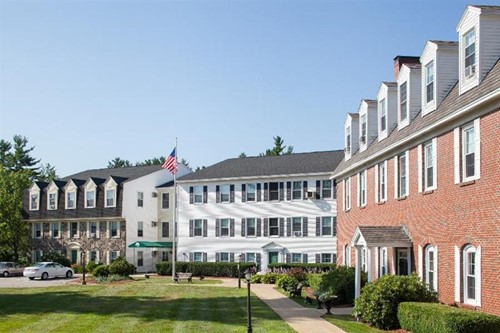
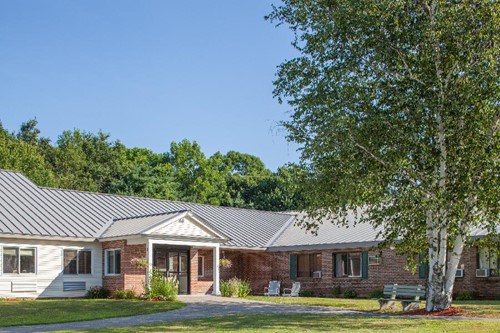
Senior Care in Exeter
4 assisted living, nursing & memory care facilities in Exeter.
City Guide
Explore Exeter
Free Quotes
Get quotes from local pros in Exeter
Tell us what you need and we’ll pass it to companies that serve your area. It’s free, and there’s no obligation.

Compare Exeter with any city
See how it stacks up on cost, income, and quality of life.
Start Comparing