



City Profile
Concord, New Hampshire
USA · Comprehensive city data and intelligence
Concord, the capital city of New Hampshire, offers a unique blend of historical charm and modern New England vibrancy. Founded along the Merrimack River, the city serves as the political and economic hub of Merrimack County, featuring the striking gold-domed State House. Residents and newcomers are drawn to Concord for its picturesque downtown, thriving local arts scene, and rich colonial heritage dating back to its 1733 incorporation.
Characterized by tree-lined residential neighborhoods and a bustling commercial core, Concord maintains a distinctly welcoming community atmosphere. The city successfully balances its rich historical roots with forward-looking urban development, making it an attractive destination for professionals, families, and retirees alike. With its proximity to both the White Mountains and the seacoast, outdoor enthusiasts find the location exceptionally accommodating.
New Hampshire, known as the "Granite State," offers a blend of scenic beauty, small-town charm, and a strong sense of community, appealing to those seeking outdoor recreation and a peaceful lifestyle. The economy is diverse, with major industries including smart manufacturing/high technology, healthcare, and tourism. While the cost of living is generally 10-15% above the national average, driven by higher housing costs and property taxes, residents benefit from no state income or sales tax. The state experiences distinct seasons, with cold, snowy winters and warm summers, and its lifestyle emphasizes independence and outdoor activities.
How this 64/100 was calculated five components, with every reading behind them
| Component | Readings used | Points | Weight | Contributes |
|---|---|---|---|---|
| Safety | Safety score: 76 / 100 | 76.0 | 30% | 22.8 |
| Affordability | Cost of living index (100 = national baseline): 104.0 | 38.8 | 25% | 9.7 |
| Economy & jobs | Median household income: $78,500 Income needed to live here: $54,000 Unemployment rate: 2.8% | 85.9 | 20% | 17.2 |
| Growth | Population growth rate: 0.5% Job growth rate: 1.8% | 46.8 | 15% | 7.0 |
| Business climate assessment | Business climate assessment: 71 / 100 | 71.0 | 10% | 7.1 |
| Overall score | 63.8 | |||
Provenance.
These figures were produced by the research pass recorded as
Tier 1 (fast) (q=52, partial — below threshold), last refreshed
16 October 2026.
They are researched estimates drawn from public sources, not a licensed data feed.
Each component is scored against fixed published endpoints, so this number is comparable with any other city and does not move as the dataset grows. Scoring framework 2026.10 — full methodology, weights and accepted ranges.

Featured Events
Happening in Concord
Featured and sponsored events in Concord.
Local Directory
Businesses in Concord
Featured local businesses in Concord.

Performance
Quality Scores
Expenses
Cost of Living
The cost of living in Concord is generally slightly above the national average, driven largely by housing demand and regional New England energy costs. However, it remains notably more affordable than neighboring Boston and many Boston-suburb communities while still providing robust urban amenities. Property taxes reflect New Hampshire's lack of a broad-based state income or sales tax, placing a heavier burden on local property assessments.
Everyday expenses such as groceries and healthcare align closely with national averages, though utility costs during cold New England winters can elevate monthly household budgets. Renters and prospective homebuyers often find Concord a more financially sustainable alternative to coastal Massachusetts while maintaining access to a strong regional economy and excellent quality of life.
Income
Salary Insights
As the capital of New Hampshire, Concord's economy is anchored by government and public administration, providing stable employment opportunities across state agencies and municipal departments. Beyond government service, major economic drivers include healthcare, education, retail trade, and professional services. Concord Hospital serves as one of the region's largest private employers, anchoring a robust healthcare and life sciences sector.
The local business environment benefits from a strategic location at the intersection of Interstate 93 and Interstate 89, facilitating regional commerce and logistics. The city's active downtown revitalization efforts have also fostered a growing ecosystem of independent retail shops, craft breweries, and tech startups. Remote work has gained strong traction among residents who commute to Boston part-time or work entirely from home.
The average salary in Concord is $68,000 per year. You would need approximately $54,000 to live comfortably.
Employment
Top Industries
Weather
Climate
Mobility
Transport
Concord is primarily a car-dependent city, though its historic downtown core is exceptionally walkable and pedestrian-friendly. Interstate 93 and Interstate 89 intersect within city limits, providing seamless driving access south to Manchester and Boston, north to the White Mountains, and west toward Vermont. Public transit is provided by Concord Coach Lines for intercity travel and local bus services operated by the Central New Hampshire Regional Planning Commission.
Commuting times within the city are generally manageable, averaging around 20 to 25 minutes, though peak hours can introduce mild congestion near major highway interchanges. Cycling infrastructure continues to expand, with dedicated bike lanes and proximity to regional rail-trail networks.

At a Glance
Pros & Cons
Advantages
Drawbacks
Head to Head
Compare Concord
Community Q&A
Questions about Concord
What people ask about living in and moving to Concord, New Hampshire.
How are Concord’s public schools rated?
Concord’s public schools are managed by a district that emphasizes academic achievement and extracurricular programs. Schools receive ratings that reflect strong performance on state assessments, and many offer advanced placement courses and diverse clubs. Parents can review district reports, attend open houses, and speak with school administrators to gauge fit for their children’s needs.
What should I know about moving into Concord?
When moving to Concord, consider the timing of school enrollment, utility activation, and local registration requirements. The city’s municipal office can guide you through vehicle registration, voter registration, and obtaining a local driver’s license. It’s also helpful to familiarize yourself with neighborhood services, such as waste collection schedules and community centers, to ease the transition.
What healthcare facilities are available in Concord?
Concord hosts several hospitals and specialty clinics that provide comprehensive medical services, including emergency departments, surgical centers, and outpatient care. The city’s healthcare network offers a range of specialists in fields such as cardiology, orthopedics, and pediatrics. Patients can consult the local health directory to find providers that match their insurance and specialty requirements.
How does Concord's cost of living compare to nearby cities?
Concord generally has a lower cost of living than major metropolitan areas like Boston. Housing, groceries, and utilities tend to be more affordable, while taxes are moderate. Transportation costs are lower due to shorter commutes and fewer tolls. However, salaries in Concord may also be lower, so it’s wise to compare average incomes for your profession. Check local salary surveys and cost‑of‑living calculators for a...
What are the typical housing options in Concord?
Concord offers a mix of single‑family homes, townhouses, and condominiums. Neighborhoods vary from historic districts with older homes to newer developments with modern amenities. Prices range widely depending on size and location, but many families find affordable options within the city limits. Explore local real‑estate listings and contact a licensed agent familiar with Concord’s market for current inventory and p...
What industries are strongest in Concord?
Concord’s economy includes public administration, healthcare, education, and small‑to‑medium manufacturing. The city hosts several hospitals, schools, and government offices that offer administrative roles. Additionally, the presence of regional businesses creates demand for support staff. Job seekers can search local job boards and the city’s employment portal to find openings that match their skill set.
Is Concord a safe place to live?
Concord maintains a relatively low crime rate compared to larger cities. Property and violent crime statistics are below state averages, and community policing initiatives contribute to a safe environment. Residents can consult the city’s public safety reports and local neighborhood watch groups for detailed, up‑to‑date information.
How easy is it to get around Concord without a car?
Concord offers a modest public transit system that connects downtown with surrounding neighborhoods. Buses run on regular routes, and there are bike lanes on many streets. For longer commutes, regional rail and bus services link Concord to nearby cities. Walking distances are reasonable in the city center, and many residents find a combination of walking, biking, and public transit sufficient for daily needs.
What cultural events can I attend in Concord?
Concord offers a variety of cultural activities, from theater productions in historic venues to seasonal outdoor festivals celebrating local arts and food. The city’s arts council promotes community events, and there are museums, galleries, and public parks that host concerts and exhibitions. Checking the city’s event calendar and local arts listings will provide a schedule of upcoming activities.
What is the overall vibe of living in Concord?
Concord blends small‑town charm with the conveniences of a regional capital. Residents enjoy a close‑knit community, local festivals, and easy access to outdoor recreation in nearby parks and lakes. The city’s downtown offers shops, restaurants, and cultural venues, while surrounding neighborhoods provide quieter residential options. Overall, Concord offers a balanced lifestyle that appeals to families, professionals...
Some answers here were drafted as a starting point and may be out of date. Live in Concord? Add your own.
FAQ
Frequently Asked Questions
Businesses for Sale in Concord
Explore active acquisition & franchise opportunities .
Senior Care in Concord
28 assisted living, nursing & memory care facilities in Concord.
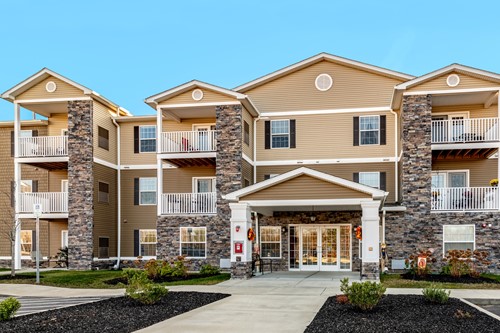 Senior Care
Connect55+ Concord
Concord, NH
 Senior Care
Havenwood-Heritage Heights Independent and Assisted Living
Concord, NH
 Assisted Living
Havenwood-Heritage Heights
Concord, NH
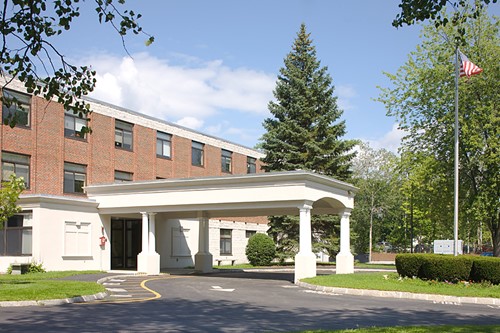 Assisted Living
Harris Hill Center
Concord, NH
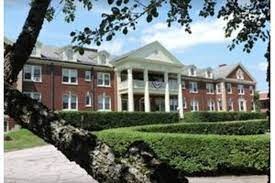 Assisted Living
Presidential Oaks Assisted Living
Concord, NH
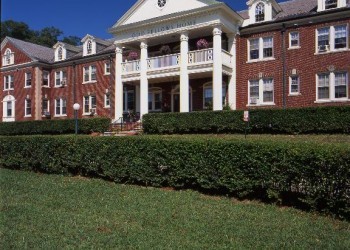 Assisted Living
Presidential Oaks
Concord, NH
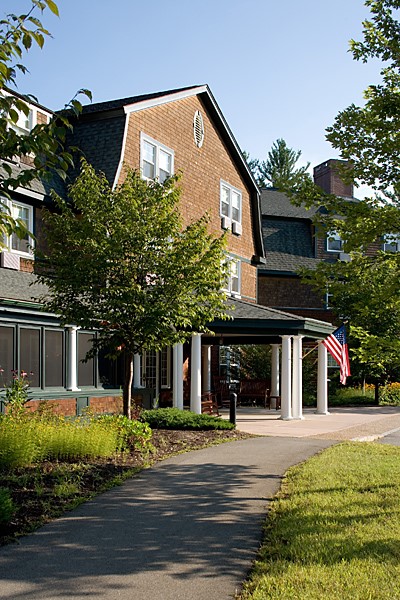 Assisted Living
Granite Ledges of Concord
Concord, NH
 Assisted Living
The Birches at Concord
Concord, NH
Senior Care
Connect55+ Concord
Concord, NH
Senior Care
Havenwood-Heritage Heights Independent and Assisted Living
Concord, NH
Assisted Living
Havenwood-Heritage Heights
Concord, NH
Assisted Living
Harris Hill Center
Concord, NH
Free Quotes
Get quotes from local pros in Concord
Tell us what you need and we’ll pass it to companies that serve your area. It’s free, and there’s no obligation.

Compare Concord with any city
See how it stacks up on cost, income, and quality of life.
Start Comparing