



City Profile
Fayetteville, North Carolina
USA · Comprehensive city data and intelligence
North Carolina offers a diverse landscape, ranging from the Appalachian Mountains to the Atlantic coast, contributing to varied climates and lifestyles. The state's economy, once reliant on textiles and furniture, has diversified into advanced manufacturing, biotechnology, finance, and information technology, with a gross state product of $693.0 billion in 2026. The cost of living is generally considered affordable, with housing and utilities often below the national average, though costs can vary by city. North Carolina experiences a humid subtropical climate with hot, humid summers and mild to moderately cold winters, offering four distinct seasons.

Featured Events
Happening in Fayetteville
Featured and sponsored events in Fayetteville.
Local Directory
Businesses in Fayetteville
Featured local businesses in Fayetteville.


Head to Head
Compare Fayetteville
Community Q&A
Questions about Fayetteville
What people ask about living in and moving to Fayetteville, North Carolina.
How does Fayetteville's cost of living compare to the national average?
Fayetteville’s cost of living is roughly 10% below the national average. Housing, groceries, and utilities are generally cheaper, while healthcare costs are close to the national average. This means a mid-level salary can afford a comfortable lifestyle, especially if you plan to buy a home rather than rent. For a detailed breakdown, consult the U.S. Census Bureau’s cost‑of‑living tables or local real‑estate market re...
How are the public schools in Fayetteville rated?
Public schools in Fayetteville generally receive mixed ratings, with some schools earning above‑average marks for academics and extracurriculars, while others are average. The local school district publishes performance reports and rankings on its website, including standardized test scores, graduation rates, and parent reviews. Visiting schools and speaking with current parents can also provide insight into classroo...
Is Fayetteville a safe place to live?
Crime statistics for Fayetteville show a moderate overall rate, with property crimes slightly above the national average and violent crimes below. Neighborhood safety varies; some districts have lower crime rates and active community watch programs. The city’s police department publishes annual crime reports, and local neighborhood associations often share safety updates.
What public transportation options are available in Fayetteville?
Fayetteville offers a city bus system that connects residential areas, downtown, and key commercial zones. There are also regional shuttle services that link the city to surrounding counties and major highways. Biking infrastructure includes dedicated lanes on several main streets, and ride‑share services operate throughout the city. The city’s transportation department provides schedules and route maps online.
What healthcare facilities serve Fayetteville?
The city hosts several hospitals, including a large regional medical center and a community health clinic, both offering a full range of services from emergency care to specialty treatments. Outpatient centers, urgent care facilities, and private practices provide additional options. The county health department’s website lists all licensed providers and offers patient reviews.
What industries dominate the job market in Fayetteville?
Fayetteville’s economy is diversified with strong sectors in manufacturing, logistics, and defense. There is a growing tech presence, especially in software development, data analytics, and cybersecurity, largely supported by regional research institutions and business incubators. Job boards and the city’s economic development office list openings, and networking events are common in the downtown area.
What are the top attractions for families in Fayetteville?
Family‑friendly attractions include a large park with playgrounds and a lake, a science and history museum with interactive exhibits, and a botanical garden featuring seasonal displays. Seasonal festivals, farmers markets, and outdoor concerts are common in the summer months. The city’s tourism office publishes a calendar of events and a map of parks and recreation facilities.
What is the best time of year to move to Fayetteville?
Spring and early fall are ideal for moving, as the weather is mild and the rental market is less competitive than summer peak. During these seasons, many landlords offer move‑in specials and utilities may be lower. Winter can be cold but offers the lowest rent prices, while summer sees higher demand and prices. Checking local rental listings and seasonal pricing trends can help plan the timing.
What is the climate like in Fayetteville throughout the year?
Fayetteville experiences a humid subtropical climate. Summers are hot and humid, with average highs in the 90s°F (32–35°C). Winters are mild, with average highs around 50–55°F (10–13°C) and occasional cold snaps. Spring and fall are pleasant, with moderate temperatures and moderate rainfall. Pack layers and breathable clothing for summer, and a light jacket for cooler months.
What are the typical home prices for a 3‑bedroom house in Fayetteville?
As of the latest market data, a 3‑bedroom single‑family home in Fayetteville usually ranges from $180,000 to $250,000, depending on location, lot size, and condition. Suburban neighborhoods and newer developments tend to be on the higher end, while older homes in established areas can be more affordable. Check local real‑estate listings and the county property assessor’s website for current listings and price trends.
Some answers here were drafted as a starting point and may be out of date. Live in Fayetteville? Add your own.
FAQ
Frequently Asked Questions
Businesses for Sale in Fayetteville
Explore active acquisition & franchise opportunities .

Senior Care in Fayetteville
44 assisted living, nursing & memory care facilities in Fayetteville.
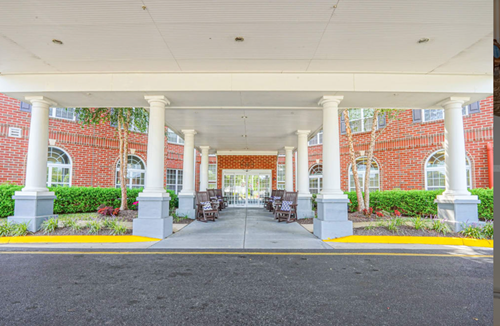 Assisted Living
Harmony at Hope Mills
Fayetteville, NC
Assisted Living
Harmony at Hope Mills
Fayetteville, NC
Carolina Rehab Center Of Cumberland
Fayetteville, NC
Liberty Home Care
Fayetteville, NC
Amedisys Home Health Of Fayetteville
Fayetteville, NC
3Hc
Fayetteville, NC
Community Home Care & Hospice
Fayetteville, NC
Aveanna Home Health
Fayetteville, NC
Comfort Keepers - Fayetteville
Fayetteville, NC
Healthkeeperz, Inc
Fayetteville, NC
Healthkeeperz
Fayetteville, NC
Bayada Home Health
Fayetteville, NC
City Guide
Explore Fayetteville
Free Quotes
Get quotes from local pros in Fayetteville
Tell us what you need and we’ll pass it to companies that serve your area. It’s free, and there’s no obligation.

Compare Fayetteville with any city
See how it stacks up on cost, income, and quality of life.
Start Comparing