



City Profile
Greensboro, North Carolina
USA · Comprehensive city data and intelligence
North Carolina offers a diverse landscape, ranging from the Appalachian Mountains to the Atlantic coast, contributing to varied climates and lifestyles. The state's economy, once reliant on textiles and furniture, has diversified into advanced manufacturing, biotechnology, finance, and information technology, with a gross state product of $693.0 billion in 2026. The cost of living is generally considered affordable, with housing and utilities often below the national average, though costs can vary by city. North Carolina experiences a humid subtropical climate with hot, humid summers and mild to moderately cold winters, offering four distinct seasons.

Featured Events
Happening in Greensboro
Featured and sponsored events in Greensboro.
Local Directory
Businesses in Greensboro
Featured local businesses in Greensboro.


Head to Head
Compare Greensboro
Community Q&A
Questions about Greensboro
What people ask about living in and moving to Greensboro, North Carolina.
How does Greensboro's cost of living compare to nearby cities?
Greensboro generally has a lower cost of living than larger metro areas like Charlotte or Raleigh. Housing, groceries, and utilities tend to be modestly cheaper, while transportation costs are similar due to comparable fuel prices. The median rent for a one‑bedroom apartment in Greensboro is typically a few hundred dollars less than in the larger neighboring cities. For precise figures, consult recent cost‑of‑living...
What are the average rent prices for a two‑bedroom in Greensboro?
Rent for a two‑bedroom unit in Greensboro usually falls between $900 and $1,300 per month, depending on location and amenities. Areas closer to downtown or university zones may be on the higher end, while suburban neighborhoods often offer more affordable options. Check local listings on real‑estate websites and the city’s housing department for current market trends and any available rental assistance programs.
What industries are hiring most in Greensboro right now?
Greensboro's job market is diverse, with strong growth in technology, healthcare, logistics, and education sectors. Many companies in the area are expanding their tech teams, especially those involved in software development, data analysis, and cybersecurity. Local employment reports and the chamber of commerce typically publish quarterly hiring trends. Networking events in the city’s business districts can also prov...
Is Greensboro a safe place for families?
Crime rates in Greensboro are comparable to many mid‑size cities in North Carolina. While some neighborhoods report higher incidents of property crime, violent crime remains relatively low. The city’s police department publishes annual crime statistics, and community watch groups often provide neighborhood‑specific safety information. Reviewing these reports and visiting local neighborhoods can help assess safety lev...
What are the top cultural attractions in Greensboro?
Greensboro offers a mix of cultural venues, including art galleries, performing‑arts theaters, and historical museums that showcase local heritage. The city’s parks and recreation department manages several parks with walking trails, sports fields, and community gardens. Seasonal festivals and farmers markets also provide opportunities to experience local culture. Checking the city’s tourism board and event calendars...
How do the public schools in Greensboro rank statewide?
Greensboro’s public schools generally receive mixed reviews, with some districts performing above state averages and others below. The city’s school district website offers performance metrics, graduation rates, and school‑specific ratings. Visiting schools and speaking with administrators can give a clearer picture of classroom quality, extracurricular opportunities, and support services for students.
Where can I find quality healthcare services in Greensboro?
Greensboro hosts several hospitals and medical centers that provide a range of services, from emergency care to specialized treatments. The city’s health department website lists accredited facilities, patient satisfaction scores, and available specialties. Visiting individual hospital websites or calling their patient services can give you detailed information about services, insurance acceptance, and appointment sc...
What should I know about moving my furniture into Greensboro?
When moving to Greensboro, consider the city’s moderate traffic and seasonal weather patterns. Hiring local movers can reduce transportation time, and many companies offer door‑to‑door service. Packing early and labeling boxes by room helps streamline the unloading process. Also, familiarize yourself with local utility providers for electricity, water, and internet, as setting up services ahead of arrival can ease th...
What public transportation options are available in Greensboro?
Greensboro offers a city transit system that includes bus routes covering most residential and commercial areas. The transit authority also operates express routes to nearby suburbs and a commuter rail link to larger cities. For schedules and fare information, check the transit website or a mobile transit app. Additionally, many neighborhoods have bike lanes and pedestrian paths that can complement public transit.
What is Greensboro’s overall vibe for new residents?
Greensboro is known for its friendly, community‑focused atmosphere, with numerous neighborhood events, farmers markets, and volunteer opportunities. Residents often describe the city as welcoming, especially in family‑friendly suburbs and downtown districts that host regular cultural festivals. Exploring local community centers and attending neighborhood gatherings can give you a firsthand sense of the city’s social...
Some answers here were drafted as a starting point and may be out of date. Live in Greensboro? Add your own.
FAQ
Frequently Asked Questions
Businesses for Sale in Greensboro
Explore active acquisition & franchise opportunities .
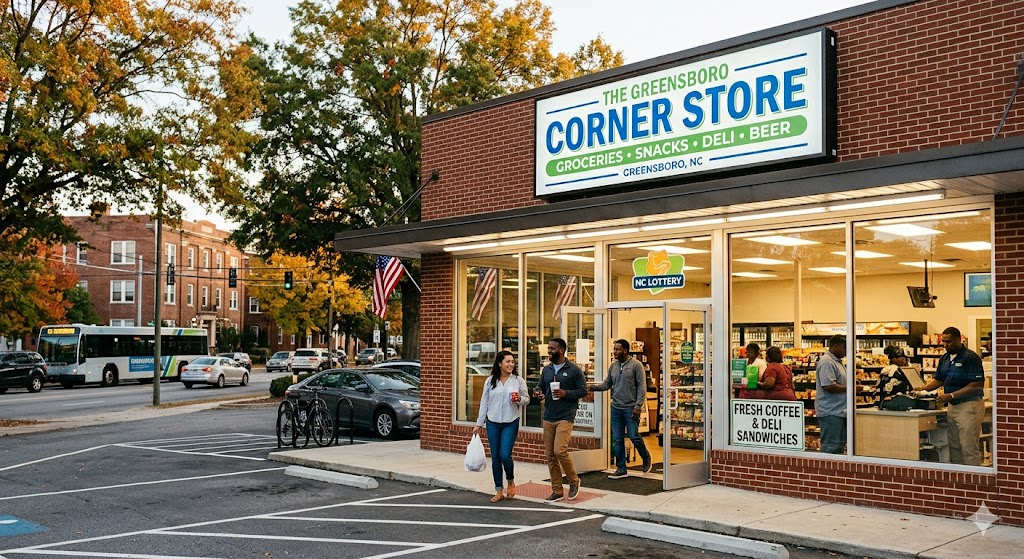
Senior Care in Greensboro
84 assisted living, nursing & memory care facilities in Greensboro.
 Senior Care
Senior Resources of Guilford
Greensboro, NC
 Senior Care
Carolina Senior Planners Inc
Greensboro, NC
 Senior Care
Friends Homes Continuing Care Retirement Community
Greensboro, NC
 Senior Care
Abbotswood at Irving Park
Greensboro, NC
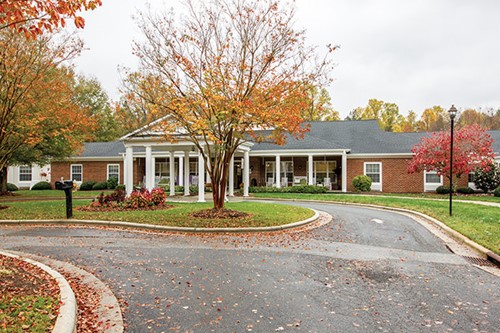 Assisted Living
Brookdale Northwest Greensboro
Greensboro, NC
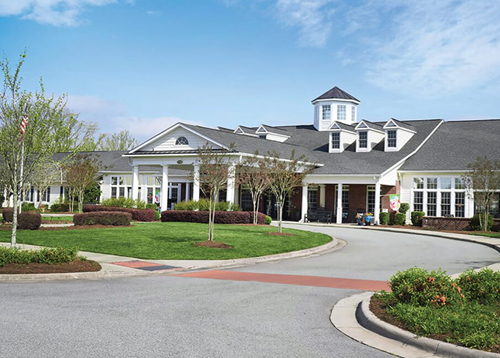 Assisted Living
Spring Arbor of Greensboro
Greensboro, NC
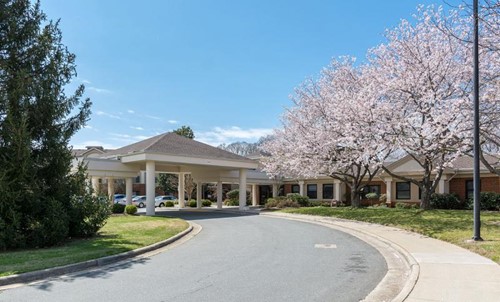 Assisted Living
Friends Homes West
Greensboro, NC
 Assisted Living
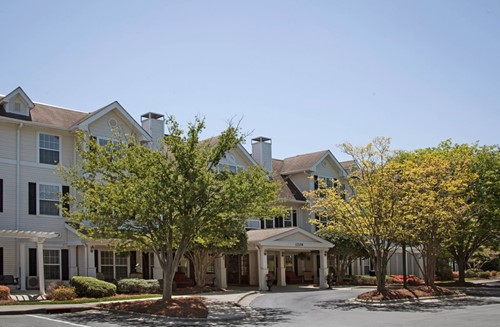
Brighton Gardens of Greensboro
Greensboro, NC
 Senior Care
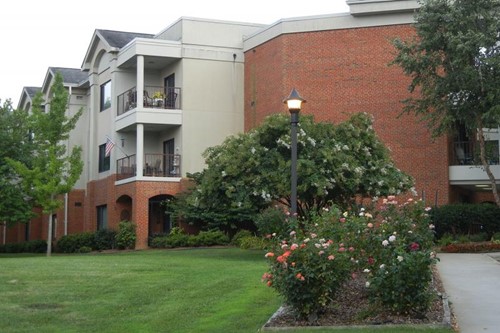
Friends Homes Independent & Assisted Living
Greensboro, NC
 Assisted Living
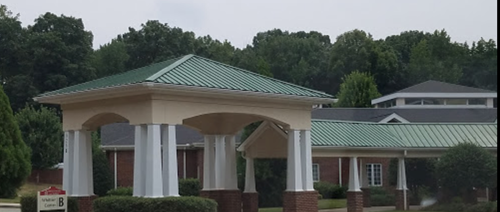
Friends Homes At Guilford
Greensboro, NC
 Senior Care
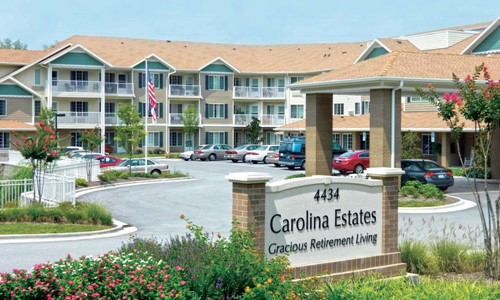
Carolina Estates
Greensboro, NC
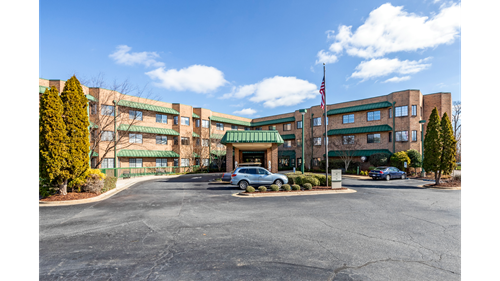 Senior Care
Heritage Greens
Greensboro, NC
City Guide
Explore Greensboro
Free Quotes
Get quotes from local pros in Greensboro
Tell us what you need and we’ll pass it to companies that serve your area. It’s free, and there’s no obligation.

Compare Greensboro with any city
See how it stacks up on cost, income, and quality of life.
Start Comparing