



City Profile
Akron, Ohio
USA · Comprehensive city data and intelligence
Akron, Ohio, once known as the "Rubber Capital of the World," is a city with a rich industrial history that has evolved into a diverse economic landscape. Situated approximately 38 miles south of Cleveland, Akron offers a blend of urban amenities and natural attractions, including the nearby Cuyahoga Valley National Park. The city is recognized for its affordability and a community-focused atmosphere, making it an attractive option for those seeking a lower cost of living compared to national averages. Akron has retained much of its historic charm, with a revitalized downtown area featuring upscale dining and entertainment, alongside vibrant neighborhood business districts.
Ohio, located in the Midwest, is characterized by a blend of urban centers and rural landscapes, offering a balance of city amenities and small-town charm. The state's economy is robust and diverse, with manufacturing being a significant sector, particularly in plastics, rubber, fabricated metals, and automobiles. Other major industries include financial activities, healthcare, education, and bioscience, with growing technology and logistics sectors. Living in Ohio is generally affordable, with the cost of living, especially housing, being lower than the national average. The climate is continental, featuring four distinct seasons with hot, humid summers and cold, snowy winters, and precipitation occurring year-round.
How this 46/100 was calculated five components, with every reading behind them
| Component | Readings used | Points | Weight | Contributes |
|---|---|---|---|---|
| Safety | Safety score: 30 / 100 | 30.0 | 30% | 9.0 |
| Affordability | Cost of living index (100 = national baseline): 85.0 | 62.5 | 25% | 15.6 |
| Economy & jobs | Median household income: $48,076 Income needed to live here: $66,000 Unemployment rate: 3.8% | 38.8 | 20% | 7.8 |
| Growth | No usable reading — dataset average used | 56.4 | 15% | 8.5 |
| Business climate assessment | Business climate assessment: 55 / 100 | 55.0 | 10% | 5.5 |
| Overall score | 46.3 | |||
Provenance.
These figures were produced by the research pass recorded as
Gemini (Tier 2 (reasoned), q=84), last refreshed
3 July 2026.
They are researched estimates drawn from public sources, not a licensed data feed.
Each component is scored against fixed published endpoints, so this number is comparable with any other city and does not move as the dataset grows. Scoring framework 2026.10 — full methodology, weights and accepted ranges.

Featured Events
Happening in Akron
Featured and sponsored events in Akron.
Local Directory
Businesses in Akron
Featured local businesses in Akron.

Performance
Quality Scores
Expenses
Cost of Living
The cost of living in Akron is notably lower than the national average, making it one of the most affordable places to reside in the United States. Overall, Akron's cost of living is estimated to be 15% lower than the national average. Housing expenses are a significant driver of this affordability, with costs being substantially below the national average. While some essential categories like groceries can be slightly higher than the national average, the savings in housing and utilities contribute to a more manageable budget for residents.
Income
Salary Insights
Akron's job market is characterized by a mix of traditional and evolving industries. Key sectors driving the city's economy include healthcare, manufacturing, accounting and finance, warehouse and distribution, and administrative services. Major employers in the area include healthcare systems like Akron Children's Hospital and Summa Health, as well as industrial players such as The Goodyear Tire & Rubber Co. However, the city has experienced a slight decline in its employed population, with a 0.461% decrease in 2024. The average annual salary in Akron was reported at $73,000 in May 2026.
The average salary in Akron is $73,000 per year. You would need approximately $66,000 to live comfortably.
Employment
Top Industries
Weather
Climate
Mobility
Transport
Getting around Akron primarily relies on personal vehicles, as the city exhibits a high degree of car dependency. Most residents drive alone to work, and the average household owns approximately two cars. The average commute time for workers in Akron is 22.2 minutes. While Akron does have a public transportation system, METRO RTA, offering monthly passes for $50, it is not as extensive as in larger metropolitan areas, making a car often necessary for daily errands. The city's average Walk Score is 48, indicating that many errands require a car.

At a Glance
Pros & Cons
Advantages
Drawbacks
Community Q&A
Questions about Akron
What people ask about living in and moving to Akron, Ohio.
Is Akron a good place for tech jobs?
Akron has a growing tech scene, with several companies in software, data analytics, and related fields. While the city’s overall average salary is $73,000 per year, tech positions often pay above that average. The local economy is diversifying, and many startups and established firms are looking for developers, designers, and data scientists. You can explore job boards, local networking groups, and the city’s economi...
How safe is Akron for families?
Akron’s safety score is 30 out of 100, which is below the national average. Crime rates vary by neighborhood, with some areas experiencing higher incidents of property crime and occasional violent crime. Families often choose communities with lower crime statistics and active neighborhood watch programs. Checking recent crime reports, local police precinct data, and community forums can help you identify safer neighb...
Is public transportation reliable in Akron?
The city’s public transit system operates bus routes that connect downtown with residential and commercial areas. Buses run on a schedule that varies by route, with some lines offering frequent service during peak hours. While the system is functional, travel times can be longer than driving, especially during rush hour. Checking the transit authority’s schedule online and using real‑time bus tracking apps can help y...
What is the overall vibe of Akron for new residents?
Akron is a mid‑size city with a mix of urban and suburban feel. It has a strong industrial heritage, a growing arts scene, and a variety of recreational opportunities. The cost of living is lower than many larger metros, making it attractive for families and young professionals. While some neighborhoods face challenges, many communities offer a welcoming atmosphere, local events, and a sense of community pride. Explo...
What are the public school options like for my children?
Akron offers a range of public elementary schools with varying performance ratings. Schools are organized by the local school district, and each has its own academic focus, extracurricular offerings, and student‑teacher ratios. You can review district reports, school performance data, and parent reviews on the district’s website to determine which schools align with your educational expectations. Visiting schools and...
What are some free activities to do in Akron?
Akron offers a variety of free or low‑cost attractions, including parks, walking trails, and cultural centers that host free events. Many museums have free admission days, and the city’s public library system offers books, workshops, and community programs at no cost. Seasonal festivals, farmers markets, and outdoor concerts also provide inexpensive entertainment options for residents and visitors alike.
What should I know about moving my belongings into Akron?
When moving to Akron, consider the city’s seasonal weather, especially the cold, snowy winters that can affect transportation. Hiring a reputable moving company that is familiar with local routes can reduce delays. If you prefer a DIY move, plan for adequate parking and parking permits in the area where you’ll be staying. It’s also wise to check local regulations regarding moving trucks and loading zones to avoid fin...
What healthcare options are available near me?
Akron hosts several hospitals and medical centers that provide a wide range of services, from primary care to specialized treatments. In addition to hospitals, there are outpatient clinics, urgent care centers, and specialty practices throughout the city. You can find provider directories on the city’s health department website or through insurance portals to locate facilities that accept your coverage and are conven...
What is the average rent like in Akron?
The average monthly rent in Akron is about $1,123. This figure reflects typical apartment costs in the city center and surrounding areas. If you are looking for a one-bedroom or a two-bedroom, expect rents to be close to this average, with variations based on location, building amenities, and proximity to downtown. You can find current listings on local real‑estate websites or through the city’s housing portal to com...
How does the cost of living in Akron compare to the national average?
Akron’s cost of living index is 85, meaning it is 15% lower than the national average (100). Housing, groceries, utilities, and transportation costs are generally more affordable than in larger metros. With an average salary of $73,000, you can expect a comfortable standard of living, especially if you budget carefully for rent and daily expenses. For detailed comparisons, you can use cost‑of‑living calculators that...
Some answers here were drafted as a starting point and may be out of date. Live in Akron? Add your own.
FAQ
Frequently Asked Questions
Senior Care in Akron
78 assisted living, nursing & memory care facilities in Akron.
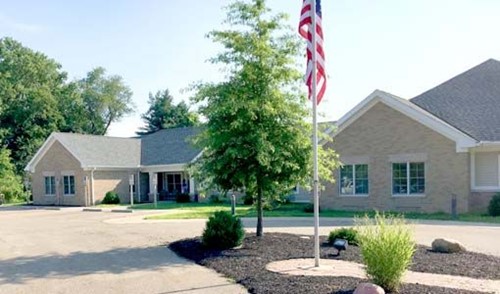 Assisted Living
St Luke Lutheran Community - Portage Lakes Assisted Living
Akron, OH
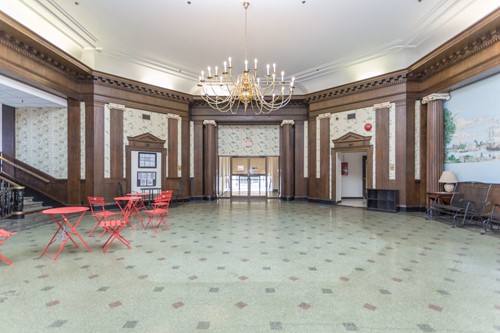 Senior Care
Mayflower Manor Apartments
Akron, OH
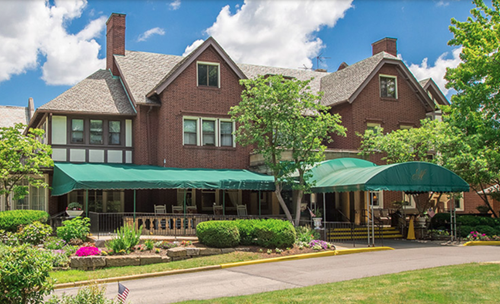 Assisted Living
The Merriman Assisted Living
Akron, OH
 Assisted Living
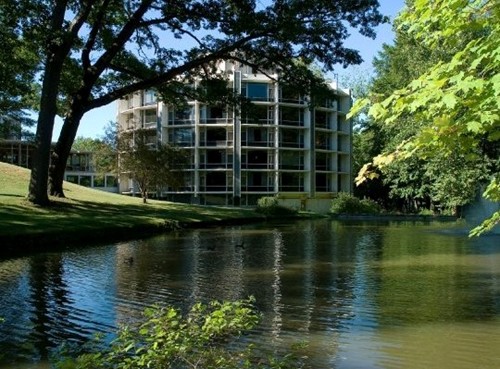
The Merriman
Akron, OH
 Senior Care
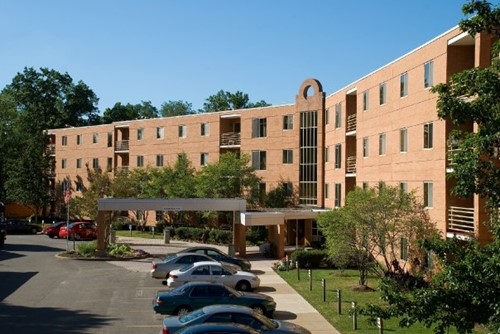
Ohio Living Rockynol Senior Living
Akron, OH
 Assisted Living
Ohio Living Rockynol
Akron, OH
 Assisted Living
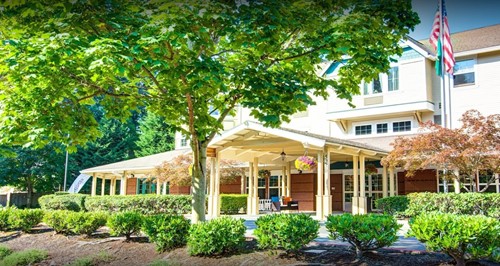
Pebble Creek Healthcare Center
Akron, OH
 Senior Care
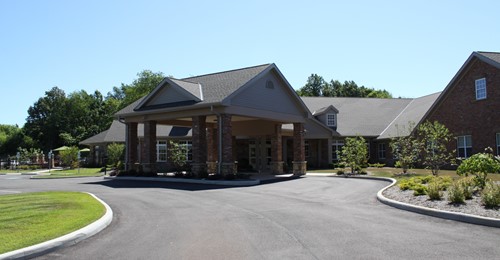
Village of St. Edward at Green
Akron, OH
 Assisted Living
Green Village Skilled Nursing & Rehabilitation
Akron, OH
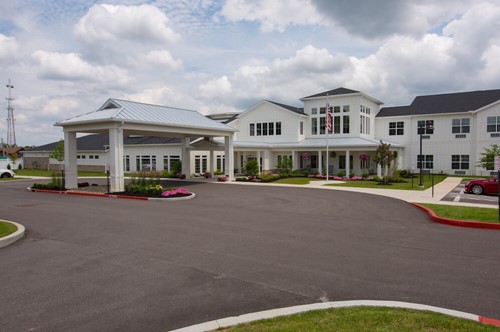 Assisted Living
Heritage Crossing
Akron, OH
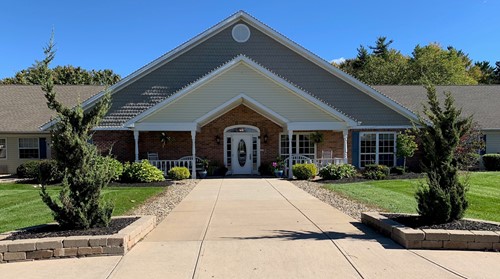 Assisted Living
Arden Courts of Bath - A ProMedica Memory Care Community
Akron, OH
 Assisted Living
Brookdale Bath
Akron, OH
Free Quotes
Get quotes from local pros in Akron
Tell us what you need and we’ll pass it to companies that serve your area. It’s free, and there’s no obligation.

Compare Akron with any city
See how it stacks up on cost, income, and quality of life.
Start Comparing