



City Profile
Parma, Ohio
USA · Comprehensive city data and intelligence
Parma, Ohio, located just south of Cleveland in Cuyahoga County, is the state's seventh-largest city and one of its most prominent inner-ring suburbs. Originally established as a township in the early 19th century, Parma evolved from an agricultural community into a thriving post-war boomtown known for its distinctive residential neighborhoods and strong Eastern European heritage. Today, it functions primarily as a stable, family-oriented community offering a blend of urban accessibility and quiet suburban living.
Characterized by its grid-style street layouts, well-maintained post-war Cape Cod and ranch-style homes, and vibrant local businesses, Parma attracts residents looking for affordability close to a major metropolitan center. The city boasts extensive green spaces, including community parks and golf courses, making it a desirable destination for families and retirees alike who value traditional neighborhood community structures.
Ohio, located in the Midwest, is characterized by a blend of urban centers and rural landscapes, offering a balance of city amenities and small-town charm. The state's economy is robust and diverse, with manufacturing being a significant sector, particularly in plastics, rubber, fabricated metals, and automobiles. Other major industries include financial activities, healthcare, education, and bioscience, with growing technology and logistics sectors. Living in Ohio is generally affordable, with the cost of living, especially housing, being lower than the national average. The climate is continental, featuring four distinct seasons with hot, humid summers and cold, snowy winters, and precipitation occurring year-round.
How this 65/100 was calculated five components, with every reading behind them
| Component | Readings used | Points | Weight | Contributes |
|---|---|---|---|---|
| Safety | Safety score: 76 / 100 | 76.0 | 30% | 22.8 |
| Affordability | Cost of living index (100 = national baseline): 91.0 | 55.0 | 25% | 13.8 |
| Economy & jobs | Median household income: $64,500 Income needed to live here: $48,000 Unemployment rate: 4.2% | 70.2 | 20% | 14.0 |
| Growth | Population growth rate: no usable reading Job growth rate: 1.5% | 50.0 | 15% | 7.5 |
| Business climate assessment | Business climate assessment: 67 / 100 | 67.0 | 10% | 6.7 |
| Overall score | 64.8 | |||
Provenance.
These figures were produced by the research pass recorded as
Gemini (ungrounded) (q=54, partial — below threshold), last refreshed
15 October 2026.
They are researched estimates drawn from public sources, not a licensed data feed.
Each component is scored against fixed published endpoints, so this number is comparable with any other city and does not move as the dataset grows. Scoring framework 2026.10 — full methodology, weights and accepted ranges.

Featured Events
Happening in Parma
Featured and sponsored events in Parma.
Local Directory
Businesses in Parma
Featured local businesses in Parma.

Performance
Quality Scores
Expenses
Cost of Living
The cost of living in Parma is notably lower than the national average, making it an attractive option for budget-conscious families and first-time homebuyers. Housing costs—ranging from affordable single-family home purchases to reasonable rental rates—serve as the primary driver of this economic advantage compared to larger coastal or major southern metros.
Beyond housing, everyday expenses such as groceries, utilities, and transportation remain relatively modest, aligning closely with regional Midwestern baselines. While local property taxes reflect Cuyahoga County's broader tax structure, overall disposable income stretches further here than in neighboring urban cores, providing a comfortable standard of living for middle-class households.
Income
Salary Insights
Parma's local economy is deeply integrated with the greater Cleveland metropolitan job market, with many residents commuting into the city center for professional, corporate, and specialized employment. Locally, the economy is anchored by healthcare, retail trade, manufacturing, and educational services, providing a diverse mix of blue-collar and white-collar employment opportunities.
Major institutional employers, including healthcare networks and local government services, provide economic stability and steady job growth. While traditional manufacturing maintains a presence, the city has seen incremental growth in service-oriented sectors and small-to-midsize business enterprises supported by regional economic development initiatives.
The average salary in Parma is $58,000 per year. You would need approximately $48,000 to live comfortably.
Employment
Top Industries
Weather
Climate
Mobility
Transport
Transportation in Parma is predominantly car-dependent, with a street grid designed to facilitate smooth vehicular travel across the municipality. Major thoroughfares and proximity to interstate highways like I-480 and I-77 ensure efficient commutes to downtown Cleveland, Cleveland Hopkins International Airport, and surrounding industrial hubs.
While public transit is available via regional bus routes operated by the Greater Cleveland Regional Transit Authority (RTA), coverage is optimized primarily for commuting rather than entirely car-free living. Pedestrian infrastructure exists in residential zones, though walkability scores reflect a typical auto-centric American suburban design.

At a Glance
Pros & Cons
Advantages
Drawbacks
Head to Head
Compare Parma
Community Q&A
Questions about Parma
What people ask about living in and moving to Parma, Ohio.
FAQ
Frequently Asked Questions
Senior Care in Parma
42 assisted living, nursing & memory care facilities in Parma.
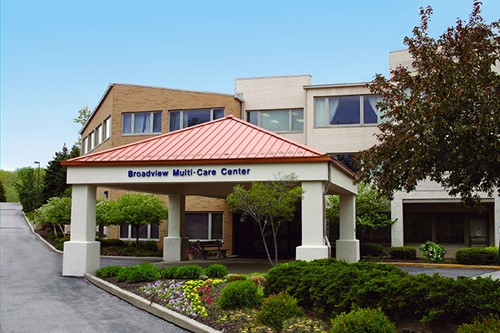 Assisted Living
Broadview Multi Care Center
Parma, OH
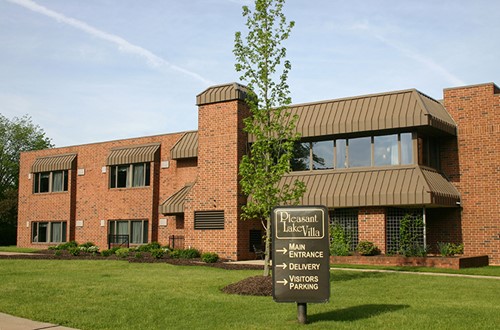 Assisted Living
Pleasant Lake Villa Assisted Living
Parma, OH
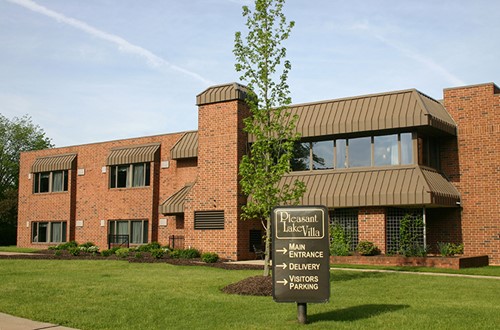 Assisted Living
Pleasant Lake Villa
Parma, OH
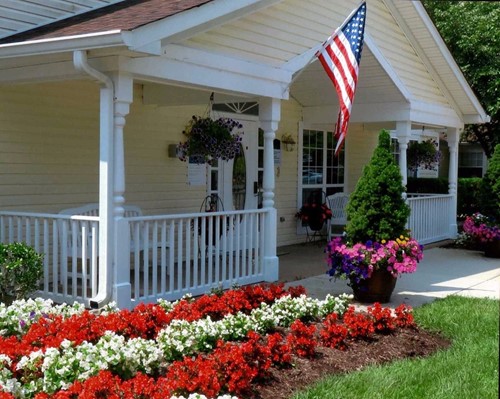 Assisted Living
Arden Courts of Parma - A ProMedica Memory Care Community
Parma, OH
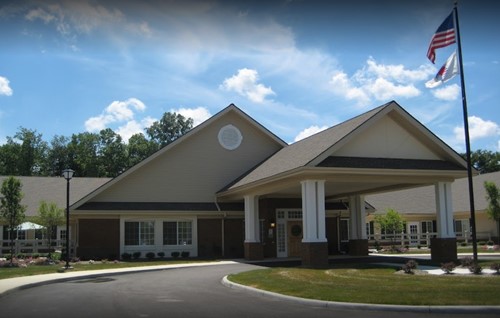 Assisted Living
ProMedica Skilled Nursing and Rehabilitation - Parma
Parma, OH
Assisted Living
Broadview Multi Care Center
Parma, OH
Assisted Living
Pleasant Lake Villa Assisted Living
Parma, OH
Assisted Living
Pleasant Lake Villa
Parma, OH
Assisted Living
Arden Courts of Parma - A ProMedica Memory Care Community
Parma, OH
Assisted Living
ProMedica Skilled Nursing and Rehabilitation - Parma
Parma, OH
Parma Care Center
Parma, OH
Labelle Home Health Care Services, LLC
Parma, OH
Free Quotes
Get quotes from local pros in Parma
Tell us what you need and we’ll pass it to companies that serve your area. It’s free, and there’s no obligation.

Compare Parma with any city
See how it stacks up on cost, income, and quality of life.
Start Comparing