



City Profile
Toledo, Ohio
USA · Comprehensive city data and intelligence
Toledo, Ohio, often referred to as 'The Glass City' due to its rich history in glass manufacturing, is a vibrant city situated at the western end of Lake Erie along the Maumee River. The city serves as a significant port on the Great Lakes and is known for its affordable living and strong sense of community. Toledo has been recognized for its economic development efforts, with significant investments in revitalizing its downtown area and fostering new businesses. Its strategic location offers residents access to major metropolitan areas like Detroit and Ann Arbor, while maintaining a distinct local character. The city attracts individuals and families seeking a balance of urban amenities, cultural attractions, and access to natural spaces.
Ohio, located in the Midwest, is characterized by a blend of urban centers and rural landscapes, offering a balance of city amenities and small-town charm. The state's economy is robust and diverse, with manufacturing being a significant sector, particularly in plastics, rubber, fabricated metals, and automobiles. Other major industries include financial activities, healthcare, education, and bioscience, with growing technology and logistics sectors. Living in Ohio is generally affordable, with the cost of living, especially housing, being lower than the national average. The climate is continental, featuring four distinct seasons with hot, humid summers and cold, snowy winters, and precipitation occurring year-round.
How this 44/100 was calculated five components, with every reading behind them
| Component | Readings used | Points | Weight | Contributes |
|---|---|---|---|---|
| Safety | Safety score: 30 / 100 | 30.0 | 30% | 9.0 |
| Affordability | Cost of living index (100 = national baseline): 95.0 | 50.0 | 25% | 12.5 |
| Economy & jobs | Median household income: $49,724 Income needed to live here: $52,000 Unemployment rate: 4.4% | 44.8 | 20% | 9.0 |
| Growth | Population growth rate: no usable reading Job growth rate: 0.84% | 36.8 | 15% | 5.5 |
| Business climate assessment | Business climate assessment: 75 / 100 | 75.0 | 10% | 7.5 |
| Overall score | 43.5 | |||
Provenance.
These figures were produced by the research pass recorded as
Gemini (Tier 3 (deep think), q=81), last refreshed
25 July 2026.
They are researched estimates drawn from public sources, not a licensed data feed.
Each component is scored against fixed published endpoints, so this number is comparable with any other city and does not move as the dataset grows. Scoring framework 2026.10 — full methodology, weights and accepted ranges.

Featured Events
Happening in Toledo
Featured and sponsored events in Toledo.
Local Directory
Businesses in Toledo
Featured local businesses in Toledo.

Performance
Quality Scores
Expenses
Cost of Living
Toledo boasts a notably affordable cost of living, standing approximately 5% lower than the national average. This affordability extends across various aspects of daily life, including housing, which is significantly less expensive compared to many other U.S. cities. While housing costs are a major driver of Toledo's affordability, other expenses like groceries are also generally lower than the national average. However, some costs, such as utilities, are comparable to or slightly higher than national averages. The city's overall cost-effectiveness makes it an attractive option for those looking to maximize their budget without compromising on access to urban amenities.
Income
Salary Insights
Toledo's economy is undergoing a period of revitalization and diversification, with key industries including Health Care & Social Assistance, Manufacturing, and Retail Trade being major employers. The city has seen a positive trend in job creation, with employment growing at a rate of 0.841% from 2023 to 2024. Notably, Toledo gained 2,000 jobs in April 2026, contributing to an average of 152 new jobs per month over the past five years. The glass and solar industries are experiencing significant growth, bolstered by substantial investments and grants aimed at fostering innovation and creating new jobs. Toledo's commitment to fostering a strong business environment has earned it recognition among the top 10 cities nationally for new business investment in 2024.
The average salary in Toledo is $71,000 per year. You would need approximately $52,000 to live comfortably.
Employment
Top Industries
Weather
Climate
Mobility
Transport
Getting around Toledo largely relies on personal vehicles, as indicated by a high car dependency. Most errands typically require a car. The average commute time for workers in Toledo was 19.8 minutes in 2024, which is shorter than the national average. While public transit options exist through the Toledo Area Regional Transit Authority (TARTA), their coverage can be limited. However, TARTA has reported increased ridership and improved services in 2025, demonstrating ongoing efforts to enhance mobility. The city has an average Walk Score of 46, suggesting that some areas are walkable, particularly downtown neighborhoods.

At a Glance
Pros & Cons
Advantages
Drawbacks
Head to Head
Compare Toledo
Community Q&A
Questions about Toledo
What people ask about living in and moving to Toledo, Ohio.
FAQ
Frequently Asked Questions
Businesses for Sale in Toledo
Explore active acquisition & franchise opportunities .
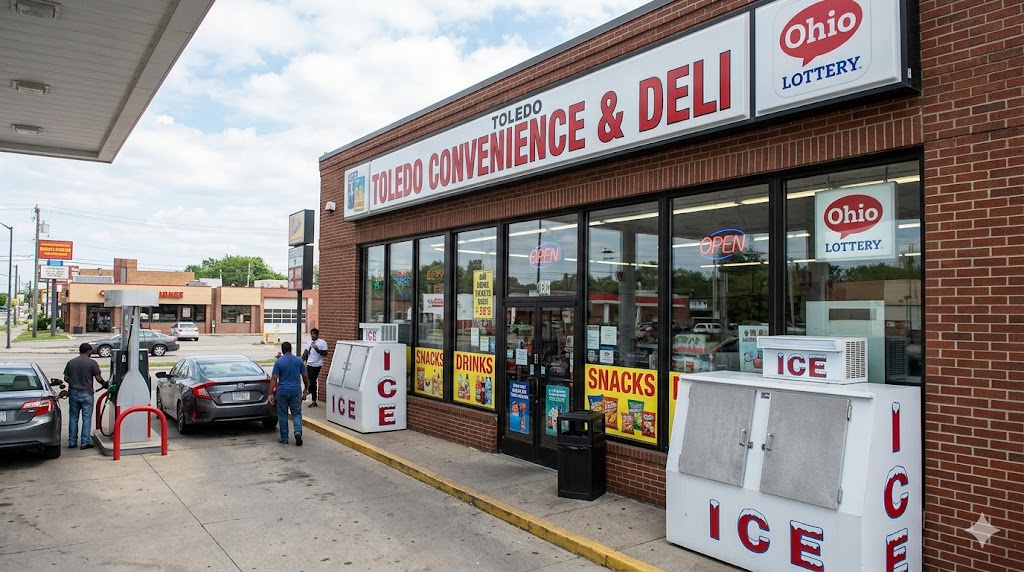
Senior Care in Toledo
133 assisted living, nursing & memory care facilities in Toledo.
 Senior Care
Toledo Healthcare Skilled Nursing & Rehabilitation
Toledo, OH
 Senior Care
Otterbein Sunset House SeniorLife Community
Toledo, OH
 Senior Care
Advanced Specialty Hospitals of Toledo
Toledo, OH
 Assisted Living
The Grove at Oakleaf Village
Toledo, OH
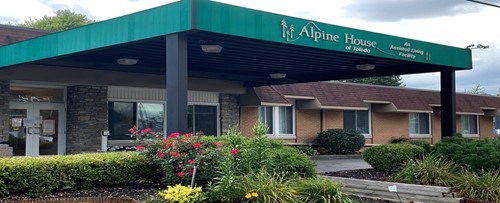 Assisted Living
Alpine House of Toledo
Toledo, OH
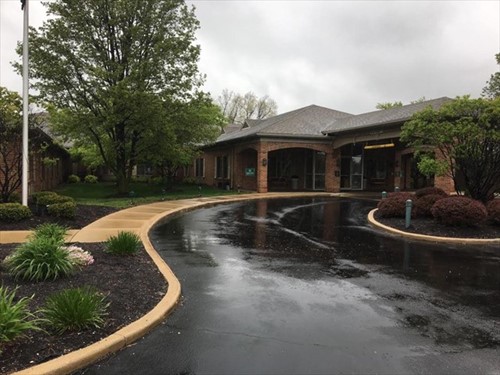 Assisted Living
Arbors At Sylvania
Toledo, OH
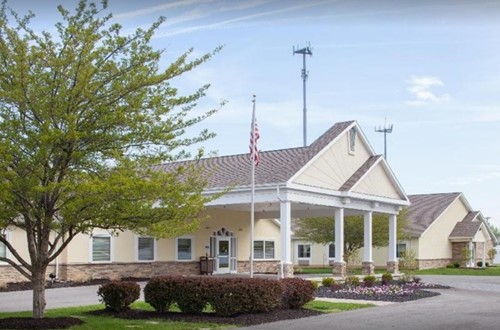 Assisted Living
Point Place Healthcare and Rehabilitation
Toledo, OH
 Assisted Living
Merit House Assisted Living
Toledo, OH
 Assisted Living
Merit House Senior Community
Toledo, OH
 Senior Care
Traditions at West Park Place
Toledo, OH
 Assisted Living
Ayden Healthcare Of Toledo
Toledo, OH
 Senior Care
The Woodlands at Otterbein Sunset House
Toledo, OH
Free Quotes
Get quotes from local pros in Toledo
Tell us what you need and we’ll pass it to companies that serve your area. It’s free, and there’s no obligation.

Compare Toledo with any city
See how it stacks up on cost, income, and quality of life.
Start Comparing