



City Profile
Duncan, Oklahoma
USA · Comprehensive city data and intelligence
Duncan, Oklahoma, located in Stephens County, is a historic city founded in 1892 during the Chisholm Trail era and named after William Duncan, a Scottish settler. Known as the birthplace of Halliburton, the city maintains a deep-rooted connection to the oil and gas services industry while cultivating a tight-knit, welcoming community atmosphere. Residents are drawn to Duncan for its small-town charm, historic downtown district, and a slower pace of life that still provides convenient access to larger metropolitan areas like Lawton and Oklahoma City.
Surrounded by rolling plains and rich southwestern Oklahoma landscapes, Duncan offers a stable environment for families, retirees, and professionals alike. The city takes pride in its heritage, showcased through local museums, annual festivals, and well-maintained public parks. Its geographic positioning makes it a regional hub for commerce and healthcare in Stephens County.
Oklahoma, located in the South Central United States, is characterized by diverse landscapes ranging from plains to mountains and a rich Native American heritage. The state's economy has historically relied on oil and gas production and agriculture, though it has diversified to include aerospace, telecommunications, energy, and manufacturing. Living in Oklahoma generally offers a lower cost of living compared to the national average. The climate features hot summers and mild winters, with a propensity for severe weather, including tornadoes. The lifestyle is often described as hospitable and friendly, with a blend of cultural history and outdoor activities.
How this 66/100 was calculated five components, with every reading behind them
| Component | Readings used | Points | Weight | Contributes |
|---|---|---|---|---|
| Safety | Safety score: 75 / 100 | 75.0 | 30% | 22.5 |
| Affordability | Cost of living index (100 = national baseline): 82.0 | 66.3 | 25% | 16.6 |
| Economy & jobs | Median household income: $54,200 Income needed to live here: $42,000 Unemployment rate: 3.8% | 69.4 | 20% | 13.9 |
| Growth | Population growth rate: no usable reading Job growth rate: 1.1% | 42.0 | 15% | 6.3 |
| Business climate assessment | Business climate assessment: 65 / 100 | 65.0 | 10% | 6.5 |
| Overall score | 65.7 | |||
Provenance.
These figures were produced by the research pass recorded as
Tier 1 (fast) (q=52, partial — below threshold), last refreshed
16 October 2026.
They are researched estimates drawn from public sources, not a licensed data feed.
Each component is scored against fixed published endpoints, so this number is comparable with any other city and does not move as the dataset grows. Scoring framework 2026.10 — full methodology, weights and accepted ranges.

Featured Events
Happening in Duncan
Featured and sponsored events in Duncan.
Local Directory
Businesses in Duncan
Featured local businesses in Duncan.

Performance
Quality Scores
Expenses
Cost of Living
The cost of living in Duncan is significantly lower than the national average, making it an attractive destination for budget-conscious families and retirees. Housing costs, in particular, remain very affordable compared to larger U.S. metros, allowing residents to secure more space for their investment. Everyday goods, services, and utilities generally track below national benchmarks, easing financial pressures for local households.
Lower overall expenses are driven primarily by affordable real estate and modest property taxes, though certain utility costs fluctuate with seasonal weather demands. Residents benefit from economical transportation and grocery prices, contributing to a comfortable lifestyle without the high overhead typical of coastal or major urban centers.
Income
Salary Insights
Duncan's economy is historically anchored by the energy sector, manufacturing, and oilfield services, with Halliburton maintaining a major presence in the community. Healthcare, education, and retail trade also play vital roles in supporting local employment and regional commerce. While traditional industries dominate, the city has seen steady efforts to diversify its economic base and encourage small business development.
The local job market provides steady employment opportunities, particularly in industrial services, healthcare administration, and public education. The remote work scene has grown modestly, supported by expanding broadband access and residents seeking affordable housing while maintaining remote employment elsewhere.
The average salary in Duncan is $52,000 per year. You would need approximately $42,000 to live comfortably.
Employment
Top Industries
Weather
Climate
Mobility
Transport
Getting around Duncan is primarily automobile-dependent, with a well-laid-out grid of roads and highways connecting residents to major commercial districts. U.S. Highway 81 serves as a primary north-south artery through the city. Average commute times are short, allowing residents to spend less time in transit and more time on personal pursuits.
While public fixed-route transit is limited, the city's compact layout makes driving straightforward and parking easily accessible. Walkability is favorable in the historic downtown area and select residential neighborhoods, though most daily errands require a car.

At a Glance
Pros & Cons
Advantages
Drawbacks
Head to Head
Compare Duncan
Community Q&A
Questions about Duncan
What people ask about living in and moving to Duncan, Oklahoma.
FAQ
Frequently Asked Questions
Senior Care in Duncan
10 assisted living, nursing & memory care facilities in Duncan.
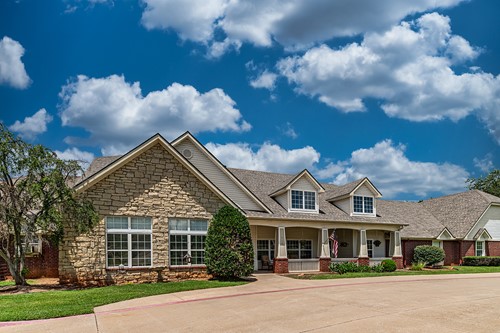 Assisted Living
Ashbrook Village
Duncan, OK
Assisted Living
Ashbrook Village
Duncan, OK
Wilkins Health & Rehabilitation Community
Duncan, OK
Canoe Brook Duncan
Duncan, OK
Chisholm Trail Hospice
Duncan, OK
Duncan Regional Hospital Homecare
Duncan, OK
Comforting Hands Hospice Of Southwest Oklahoma LLC
Duncan, OK
Elk Crossing
Duncan, OK
Country Club Care Nursing And Rehabilitation
Duncan, OK
Health Watch Health Care Of Duncan, LLC
Duncan, OK
Free Quotes
Get quotes from local pros in Duncan
Tell us what you need and we’ll pass it to companies that serve your area. It’s free, and there’s no obligation.

Compare Duncan with any city
See how it stacks up on cost, income, and quality of life.
Start Comparing