



City Profile
Tulsa, Oklahoma
USA · Comprehensive city data and intelligence
Oklahoma, located in the South Central United States, is characterized by diverse landscapes ranging from plains to mountains and a rich Native American heritage. The state's economy has historically relied on oil and gas production and agriculture, though it has diversified to include aerospace, telecommunications, energy, and manufacturing. Living in Oklahoma generally offers a lower cost of living compared to the national average. The climate features hot summers and mild winters, with a propensity for severe weather, including tornadoes. The lifestyle is often described as hospitable and friendly, with a blend of cultural history and outdoor activities.

Featured Events
Happening in Tulsa
Featured and sponsored events in Tulsa.
Local Directory
Businesses in Tulsa
Featured local businesses in Tulsa.


Head to Head
Compare Tulsa
Community Q&A
Questions about Tulsa
What people ask about living in and moving to Tulsa, Oklahoma.
FAQ
Frequently Asked Questions
Businesses for Sale in Tulsa
Explore active acquisition & franchise opportunities .
Senior Care in Tulsa
166 assisted living, nursing & memory care facilities in Tulsa.
 Senior Care
Country Oaks Senior Nutrition
Tulsa, OK
 Senior Care
LIFE's Senior Center at East Side
Tulsa, OK
 Senior Care
Triad Senior Living, Inc.
Tulsa, OK
 Senior Care
Carver Senior Center
Tulsa, OK
 Senior Care
LIFE's Adult Day Health and LIFE PACE
Tulsa, OK
 Senior Care
Roserock Hospice Care, an Amedisys Company
Tulsa, OK
 Senior Care
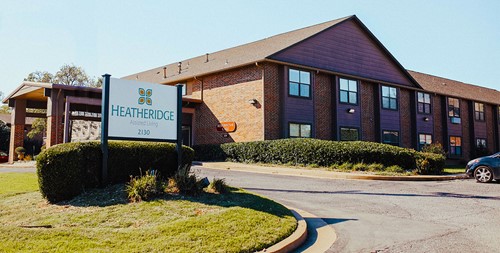
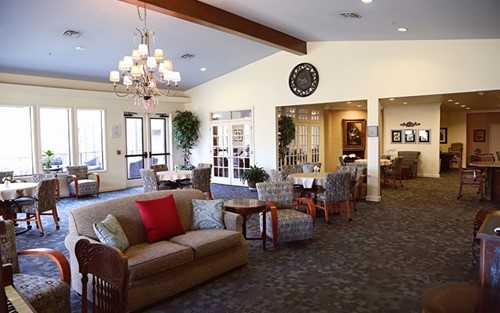
Heatheridge Residential Care & Assisted Living
Tulsa, OK
 Senior Care
The Broadmoor
Tulsa, OK
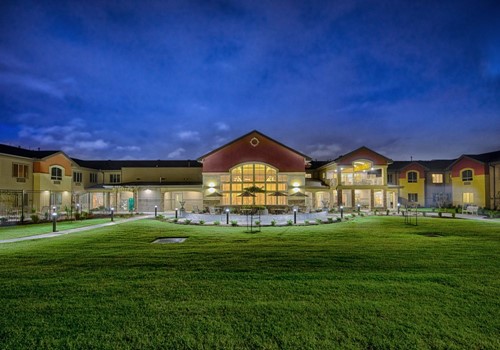
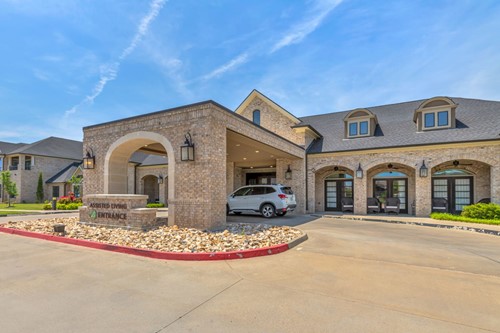 Senior Care
Bellarose Senior Living
Tulsa, OK
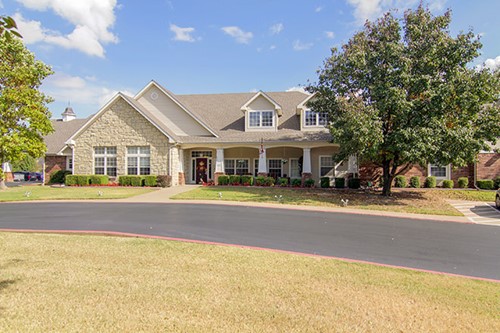
 Assisted Living
The Linden at Stonehaven Square
Tulsa, OK
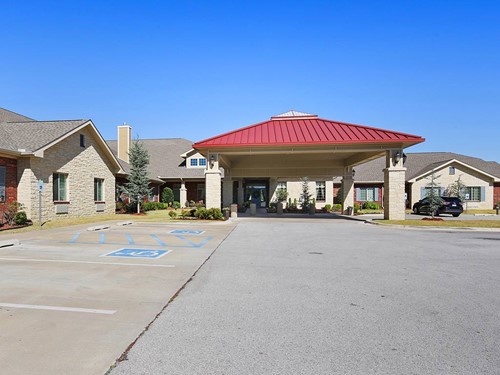
 Assisted Living
Brookdale Tulsa South
Tulsa, OK
 Assisted Living
Legend at Mingo Road
Tulsa, OK
City Guide
Explore Tulsa
Free Quotes
Get quotes from local pros in Tulsa
Tell us what you need and we’ll pass it to companies that serve your area. It’s free, and there’s no obligation.

Compare Tulsa with any city
See how it stacks up on cost, income, and quality of life.
Start Comparing