



City Profile
Portland, Oregon
USA · Comprehensive city data and intelligence
Oregon, a state in the Pacific Northwest, is characterized by diverse landscapes ranging from the Pacific coastline to mountains and high desert. Its economy has transitioned from a natural resource base of timber, fishing, and agriculture to a mix of manufacturing, services, and high technology, with key sectors including computer and electronic products, transportation equipment, and machinery. The cost of living in Oregon is generally higher than the national average, particularly for housing. Western Oregon experiences a warm-summer Mediterranean climate with wet winters and dry summers, while Eastern Oregon has a colder, semi-arid climate with hotter summers and colder winters. The lifestyle often emphasizes outdoor recreation and environmental consciousness.

Featured Events
Happening in Portland
Featured and sponsored events in Portland.
Local Directory
Businesses in Portland
Featured local businesses in Portland.


Head to Head
Compare Portland
Community Q&A
Questions about Portland
What people ask about living in and moving to Portland, Oregon.
Are there good healthcare facilities in Portland?
Portland hosts several hospitals and specialty clinics that rank well in patient satisfaction and outcomes. The city’s health department publishes data on provider quality and accessibility. For specific services, check the state’s health care quality reports and local medical directories to find specialists and support groups near you.
How does Portland's cost of living compare to the national average?
Portland’s cost of living index is 147.3, about 47% above the national average of 100. Housing and transportation are the biggest contributors. Rent is roughly $1,800 for a one‑bedroom, while groceries and utilities are only slightly above average. If you’re budgeting, expect to spend about 25% more on living expenses than the U.S. average. Check the city’s economic reports or the U.S. Bureau of Labor Statistics for...
What’s the current median home price in Portland?
The median price for a single‑family home in Portland is $600,000. Prices vary by neighborhood, with some areas closer to $400,000 and others above $800,000. The market is competitive, so having a pre‑approval and a flexible budget helps. For up‑to‑date listings and price trends, consult local real‑estate portals or the city’s housing market reports.
Is Portland a safe place to live for families?
Crime rates in Portland are comparable to other mid‑size U.S. cities. Violent crime is lower than the national average, while property crime is slightly higher. Neighborhoods vary, so researching specific districts through local police precinct reports and community forums helps assess safety. Many families find Portland’s parks, schools, and community programs contribute to a secure environment.
What are the top outdoor activities in Portland?
Portland offers a network of parks, rivers, and nearby mountains. Popular outdoor pursuits include hiking in the surrounding hills, biking along river trails, and kayaking on the Willamette River. Seasonal festivals and farmers markets also add to the city’s vibrant cultural scene. Local tourism websites list trail maps, event calendars, and park guides.
What should I know about moving into Portland during the rainy season?
September is the start of the rainy season, so expect frequent showers and cooler temperatures. Pack waterproof gear, check that your new home has proper drainage, and consider a moving company that can handle wet conditions. Keep an eye on local weather forecasts and plan your move on drier days if possible.
What industries are hiring most in Portland right now?
Technology and professional services lead the job market, followed by healthcare and renewable energy. The city’s economy is diversified, with many startups and established firms. Look for openings through online job boards, local business journals, and industry networking events. The city’s economic development office provides sector reports and hiring trends that can guide your search.
What public transit options are available for commuting?
The city’s public transit authority operates buses that cover most neighborhoods and a light rail line that connects downtown to the suburbs. Biking infrastructure is extensive, with protected lanes and bike‑share programs. For schedules, fare information, and route maps, visit the transit authority’s website or use a transit app that aggregates routes and real‑time arrivals.
What makes Portland unique compared to other West Coast cities?
Portland is known for its progressive culture, emphasis on sustainability, and a strong emphasis on local food and craft industries. The city’s walkability, bike‑friendly streets, and abundant green spaces create a distinct lifestyle. It also hosts a variety of festivals, independent bookstores, and a thriving music scene. For a deeper dive, explore city tourism guides and local community blogs that highlight neighbo...
How do Portland public schools rank compared to other states?
Portland’s public schools perform above the national average on standardized tests and have a high graduation rate. The district offers a range of programs, including STEM and arts enrichment. For detailed performance metrics, review the state’s education department reports and local school rating websites. Visiting schools and speaking with teachers can also give insight into classroom culture.
Some answers here were drafted as a starting point and may be out of date. Live in Portland? Add your own.
FAQ
Frequently Asked Questions
Businesses for Sale in Portland
Explore active acquisition & franchise opportunities .


Senior Care in Portland
363 assisted living, nursing & memory care facilities in Portland.
 Senior Care
Pacific Retirement Services
Portland, OR
 Senior Care
Providence Connections
Portland, OR
 Senior Care
Upscale In-HomeCare
Portland, OR
 Senior Care
Amada Senior Care
Portland, OR
 Senior Care
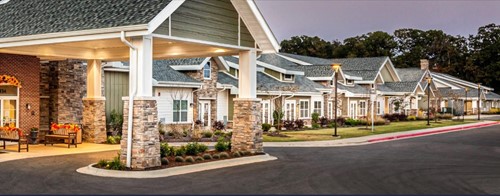
Harvest Homes Assisted Living & Memory Care
Portland, OR
 Assisted Living
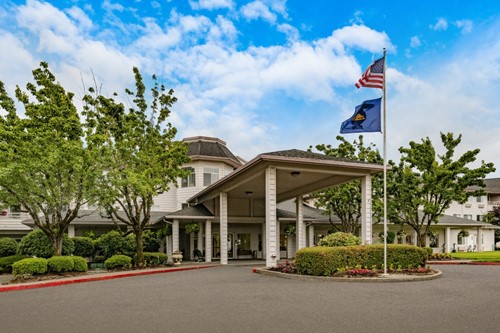
Cornell Landing of Cedar Mill
Portland, OR
 Senior Care
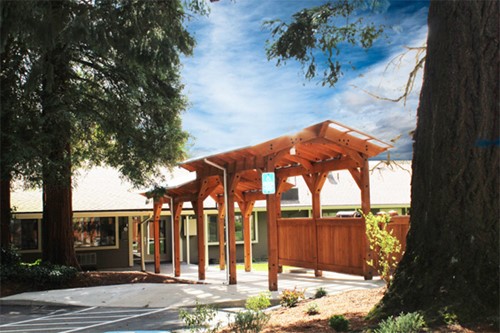
Parkrose Chateau
Portland, OR
 Assisted Living
Park Forest Care Center
Portland, OR
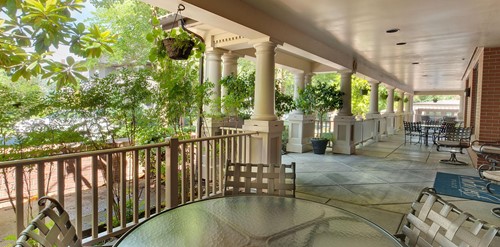 Senior Care
NorthWest Place
Portland, OR
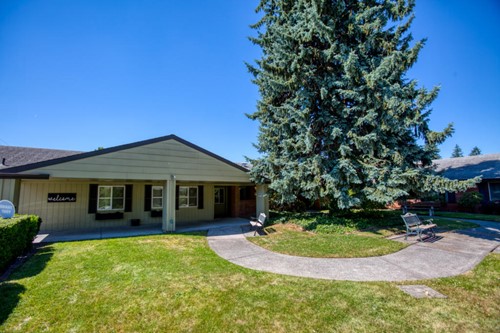 Assisted Living
Prestige Care And Rehabilitation - Menlo Park
Portland, OR
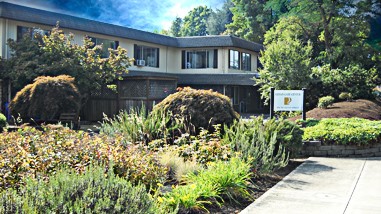 Assisted Living
Glisan Care Center
Portland, OR
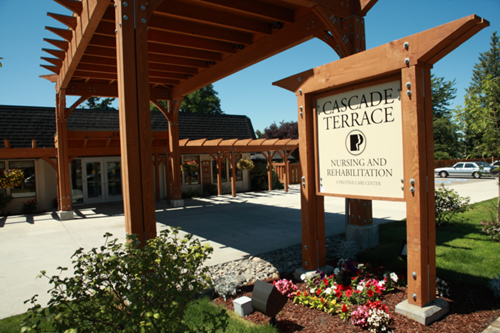 Assisted Living
Cascade Terrace
Portland, OR
City Guide
Explore Portland
Free Quotes
Get quotes from local pros in Portland
Tell us what you need and we’ll pass it to companies that serve your area. It’s free, and there’s no obligation.

Compare Portland with any city
See how it stacks up on cost, income, and quality of life.
Start Comparing