



City Profile
Colorado Springs, Colorado
USA · Comprehensive city data and intelligence
Colorado Springs sits at the base of the majestic Rocky Mountains, approximately 70 miles south of Denver, renowned for its dramatic natural landmarks like Pikes Peak and the Garden of the Gods. Founded as a resort community in the late 19th century, the city has evolved into a vibrant regional hub known for its active, outdoors-driven lifestyle and military presence. People flock to the area for its unique blend of urban amenities, mild high-altitude climate, and immediate access to world-class hiking, climbing, and recreation.
Colorado is characterized by its diverse geography, ranging from the Rocky Mountains to the Eastern Plains, offering a lifestyle that blends natural beauty with community charm and extensive outdoor recreation opportunities. The state's economy is robust and diversified, with major industries including aerospace, bioscience, technology, energy and natural resources, financial services, and a strong tourism sector. Living in Colorado is generally more expensive than the national average, with housing costs being a primary driver. The climate is diverse, featuring four distinct seasons with abundant sunshine, though it can experience rapid weather shifts, including hot summers, cold winters, and occasional extreme weather events like flash floods and strong winds.
How this 61/100 was calculated five components, with every reading behind them
| Component | Readings used | Points | Weight | Contributes |
|---|---|---|---|---|
| Safety | Safety score: 68 / 100 | 68.0 | 30% | 20.4 |
| Affordability | Cost of living index (100 = national baseline): 101.0 | 42.5 | 25% | 10.6 |
| Economy & jobs | Median household income: $84,818 Income needed to live here: $58,000 Unemployment rate: 4.1% | 78.3 | 20% | 15.7 |
| Growth | Population growth rate: 0.57% Job growth rate: 1.8% | 47.6 | 15% | 7.1 |
| Business climate assessment | Business climate assessment: 72 / 100 | 72.0 | 10% | 7.2 |
| Overall score | 61.0 | |||
Provenance.
These figures were produced by the research pass recorded as
Gemini (Tier 2 (reasoned), q=80), last refreshed
11 October 2026.
They are researched estimates drawn from public sources, not a licensed data feed.
Each component is scored against fixed published endpoints, so this number is comparable with any other city and does not move as the dataset grows. Scoring framework 2026.10 — full methodology, weights and accepted ranges.

Featured Events
Happening in Colorado Springs
Featured and sponsored events in Colorado Springs.
Local Directory
Businesses in Colorado Springs
Featured local businesses in Colorado Springs.

Performance
Quality Scores
Expenses
Cost of Living
The cost of living in Colorado Springs sits slightly above the national average, largely driven by significant demand for housing and continuous population influx over recent years. While grocery and utility expenses track close to typical US baselines, housing and real estate pressures have historically pushed overall expenditures higher. Nonetheless, it remains generally more affordable than neighboring Denver, attracting families and professionals seeking high quality of life without peak metropolitan price tags.
Income
Salary Insights
Colorado Springs features a dynamic, resilient job market heavily anchored by defense, aerospace, high-tech manufacturing, and a robust tourism sector. Major employers include multiple military installations—such as Fort Carson, Peterson Space Force Base, and the United States Air Force Academy—alongside a growing cluster of cybersecurity and aerospace firms. The city also sustains a thriving remote work community and strong entrepreneurial support network that encourages small business development.
The average salary in Colorado Springs is $71,000 per year. You would need approximately $58,000 to live comfortably.
Employment
Top Industries
Weather
Climate
Mobility
Transport
Car dependency remains relatively high in Colorado Springs due to the city's sprawling geographic footprint, though public transit options like the Mountain Metropolitan Transit bus system provide core connectivity. Average commute times typically range around 23 to 25 minutes, making cross-town travel manageable outside of peak rush hours along major arteries like I-25. Walkability varies heavily by neighborhood, with downtown and older districts offering pedestrian-friendly grids while newer suburbs require vehicle travel.

At a Glance
Pros & Cons
Advantages
Drawbacks
Head to Head
Compare Colorado Springs
Community Q&A
Questions about Colorado Springs
What people ask about living in and moving to Colorado Springs, Colorado.
FAQ
Frequently Asked Questions
Businesses for Sale in Colorado Springs
Explore active acquisition & franchise opportunities .
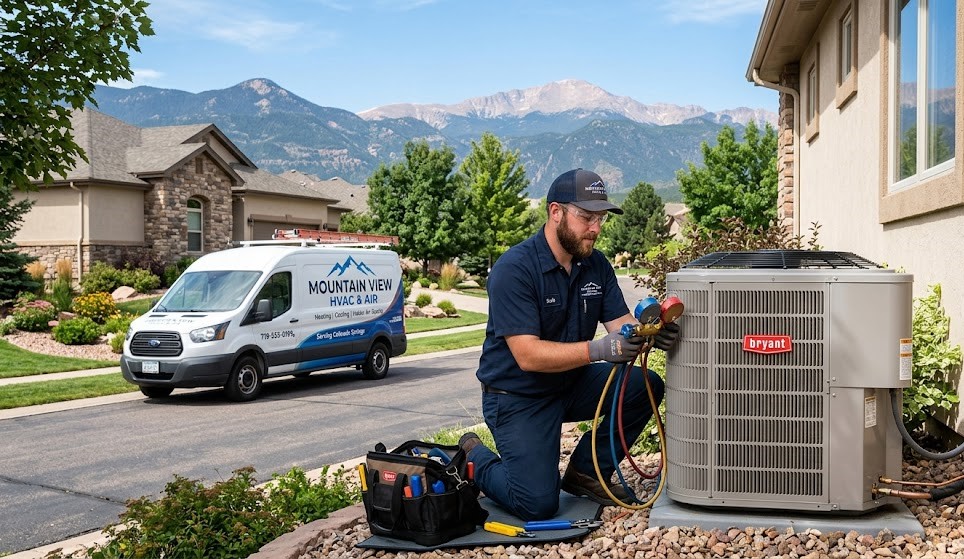
Senior Care in Colorado Springs
131 assisted living, nursing & memory care facilities in Colorado Springs.
 Senior Care
AARP Senior Community Emplymnt
Colorado Springs, CO
 Senior Care
Colorado Springs Senior Center
Colorado Springs, CO
 Senior Care
Advanced Home Health and Hospice of Colorado Springs
Colorado Springs, CO
 Senior Care
Beo Personal Care
Colorado Springs, CO
 Senior Care
Bethesda Community Senior Citizen
Colorado Springs, CO
 Senior Care
Abode Hospice & Home Health
Colorado Springs, CO
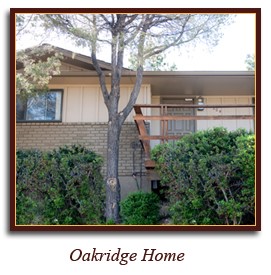 Assisted Living
Oakridge Home
Colorado Springs, CO
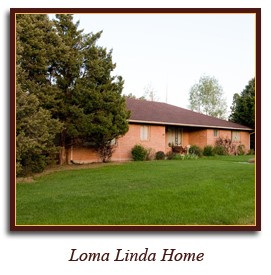 Assisted Living
Loma Linda Home
Colorado Springs, CO
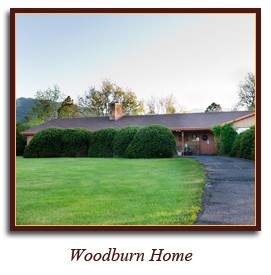 Assisted Living
Woodburn Home
Colorado Springs, CO
 Assisted Living
Cheyenne Home
Colorado Springs, CO
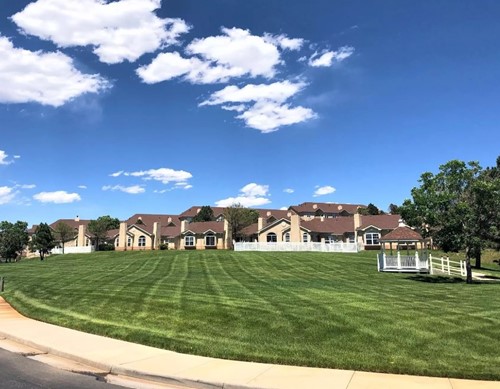 Assisted Living
Liberty Heights
Colorado Springs, CO
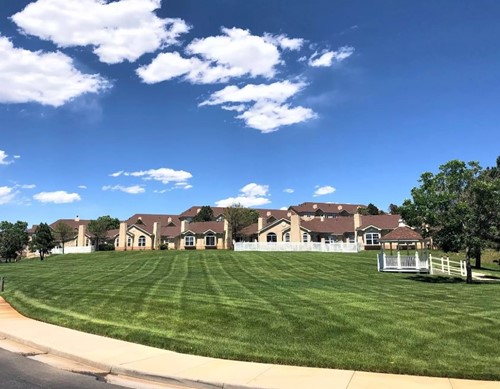 Senior Care
Liberty Heights
Colorado Springs, CO
City Guide
Explore Colorado Springs
Free Quotes
Get quotes from local pros in Colorado Springs
Tell us what you need and we’ll pass it to companies that serve your area. It’s free, and there’s no obligation.

Compare Colorado Springs with any city
See how it stacks up on cost, income, and quality of life.
Start Comparing