



City Profile
Pueblo, Colorado
USA · Comprehensive city data and intelligence
Pueblo, Colorado, is a historic industrial and cultural hub nestled along the Arkansas River in the southern portion of the state. Known historically as the 'Steel City' due to its prominent steel-making legacy anchored by EVRAZ Rocky Mountain Steel, the city offers a distinct blend of gritty industrial heritage, Spanish-Mexican heritage, and a resilient, blue-collar character. People are often drawn to Pueblo for its lower cost of living compared to the northern front range metros like Denver and Colorado Springs, alongside more than 300 days of sunshine each year.
The city's rich history is reflected in its diverse neighborhoods, classic turn-of-the-century architecture, and vibrant cultural traditions, including the famous Colorado State Fair and the annual Chile & Frijoles Festival celebrating the signature Pueblo green chile. The community vibe is tight-knit and unpretentious, appealing to retirees, families, and remote workers seeking a more relaxed pace of life with authentic historic charm.
Surrounded by open plains and dramatic mountain vistas in the distance, Pueblo provides an appealing mix of urban amenities and outdoor accessibility. The Historic Arkansas Riverwalk serves as a downtown focal point, offering boating, dining, and scenic walkways reminiscent of San Antonio's River Walk. As southern Colorado's economic anchor, Pueblo balances its rich past with ongoing efforts at downtown revitalization and alternative energy development.
Colorado is characterized by its diverse geography, ranging from the Rocky Mountains to the Eastern Plains, offering a lifestyle that blends natural beauty with community charm and extensive outdoor recreation opportunities. The state's economy is robust and diversified, with major industries including aerospace, bioscience, technology, energy and natural resources, financial services, and a strong tourism sector. Living in Colorado is generally more expensive than the national average, with housing costs being a primary driver. The climate is diverse, featuring four distinct seasons with abundant sunshine, though it can experience rapid weather shifts, including hot summers, cold winters, and occasional extreme weather events like flash floods and strong winds.
How this 48/100 was calculated five components, with every reading behind them
| Component | Readings used | Points | Weight | Contributes |
|---|---|---|---|---|
| Safety | Safety score: 45 / 100 | 45.0 | 30% | 13.5 |
| Affordability | Cost of living index (100 = national baseline): 92.0 | 53.8 | 25% | 13.4 |
| Economy & jobs | Median household income: $56,664 Income needed to live here: $52,000 Unemployment rate: 6.6% | 39.4 | 20% | 7.9 |
| Growth | Population growth rate: no usable reading Job growth rate: 1.1% | 42.0 | 15% | 6.3 |
| Business climate assessment | Business climate assessment: 65 / 100 | 65.0 | 10% | 6.5 |
| Overall score | 47.6 | |||
Provenance.
These figures were produced by the research pass recorded as
Gemini (Tier 2 (reasoned), q=70), last refreshed
11 October 2026.
They are researched estimates drawn from public sources, not a licensed data feed.
Each component is scored against fixed published endpoints, so this number is comparable with any other city and does not move as the dataset grows. Scoring framework 2026.10 — full methodology, weights and accepted ranges.

Featured Events
Happening in Pueblo
Featured and sponsored events in Pueblo.
Local Directory
Businesses in Pueblo
Featured local businesses in Pueblo.

Performance
Quality Scores
Expenses
Cost of Living
Pueblo is widely recognized as one of the most affordable urban areas in the state of Colorado, with an overall cost of living running approximately 8% below the national average. This affordability is largely driven by housing costs, which sit significantly lower than the statewide averages found in Denver or Boulder, making it an attractive destination for budget-conscious buyers and renters.
While housing remains a major financial advantage, other routine expenses such as utility bills, groceries, and transportation closely track or slightly trail national baselines. State income taxes and local utility costs can fluctuate depending on municipal utility rates, but overall, residents enjoy substantially lower monthly overhead costs compared to nearly every other mid-sized city along the Colorado Front Range.
Income
Salary Insights
Pueblo's economy is historically rooted in manufacturing, steel production, and logistics, though it has increasingly diversified into healthcare, education, retail, and renewable energy technology. Major employers include EVRAZ Rocky Mountain Steel, Parkview Medical Center, St. Mary-Corwin Medical Center, Pueblo School District 60, and Colorado State University Pueblo. The local job market reflects a steady blue-collar and service-oriented foundation, alongside a growing emphasis on green technology and aerospace manufacturing initiatives.
For remote workers and professionals, Pueblo offers an increasingly viable base due to its high-speed fiber availability in select areas and drastically lower cost of living compared to nearby tech hubs. While average local salaries trail behind national and statewide medians, the lower cost of entry for housing and overhead creates a balanced economic ecosystem for entrepreneurs and remote personnel looking to stretch their earnings.
The average salary in Pueblo is $58,000 per year. You would need approximately $52,000 to live comfortably.
Employment
Top Industries
Weather
Climate
Mobility
Transport
Getting around Pueblo is predominantly car-dependent, with most residents relying on personal vehicles to commute via Interstate 25 and US Highway 50. The Pueblo Transit system provides fixed-route bus services across the core city limits, though service frequencies and coverage are optimized primarily for basic urban transit rather than comprehensive regional commuting.
Walkability is concentrated primarily in Downtown Pueblo, the Mesa Junction, and historic commercial corridors where sidewalk grids are well-established. Average commute times remain manageable at around 27 to 28 minutes, and traffic congestion is minimal compared to the major metro bottlenecks further north along the Front Range.

At a Glance
Pros & Cons
Advantages
Drawbacks
Head to Head
Compare Pueblo
Community Q&A
Questions about Pueblo
What people ask about living in and moving to Pueblo, Colorado.
FAQ
Frequently Asked Questions
Senior Care in Pueblo
35 assisted living, nursing & memory care facilities in Pueblo.
 Senior Care
Accolade Living Centers
Pueblo, CO
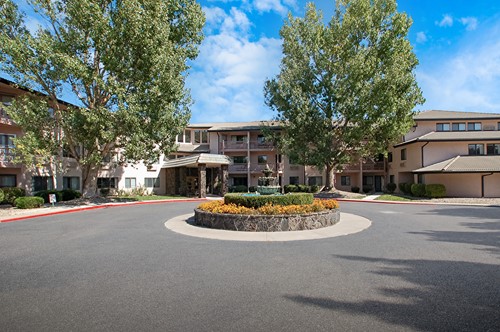 Senior Care
Pueblo Regent
Pueblo, CO
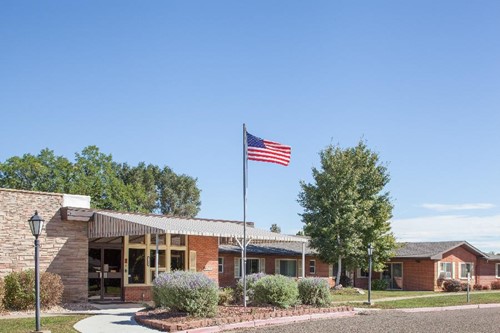 Assisted Living
Pueblo Center
Pueblo, CO
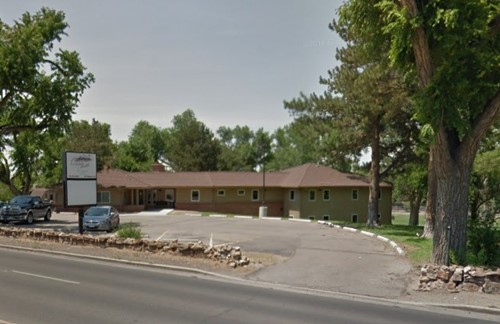 Assisted Living
ABC Home Health Care and Personal Services
Pueblo, CO
Aveanna Healthcare
Pueblo, CO
Desert Willow Health And Rehabilitation Center
Pueblo, CO
Life Care Center Of Pueblo
Pueblo, CO
Life Care Center Of Pueblo
Pueblo, CO
Brookdale El Camino
Pueblo, CO
Rock Canyon Respiratory And Rehabilitation Center
Pueblo, CO
Westwind Living Center
Pueblo, CO
Sangre De Cristo Hospice & Palliative Care
Pueblo, CO
City Guide
Explore Pueblo
Free Quotes
Get quotes from local pros in Pueblo
Tell us what you need and we’ll pass it to companies that serve your area. It’s free, and there’s no obligation.

Compare Pueblo with any city
See how it stacks up on cost, income, and quality of life.
Start Comparing