



City Profile
Bloomington, Illinois
USA · Comprehensive city data and intelligence
Bloomington, Illinois, is a vibrant city in McLean County, known for its strong economy, educational institutions, and a comfortable quality of life. Historically, the city's growth has been influenced by agriculture, the development of railroads, and the rise of the insurance industry, with State Farm Insurance being a prominent long-standing employer. People are drawn to Bloomington for its blend of a slower pace of life with access to good hospitals, schools, and recreational activities. The city and its adjoining community, Normal, form the fastest-growing metropolitan area in Illinois, experiencing significant population growth over the past decades.
Illinois, known as the "Prairie State," offers a diverse character ranging from the bustling metropolis of Chicago to expansive farmlands. Its economy is among the largest and most diversified in the U.S., with major industries including advanced manufacturing, agriculture and food processing, life sciences, technology, and transportation and logistics. While the cost of living statewide is generally considered moderate, housing costs in Chicago can be higher than the national average. Illinois experiences all four seasons, with hot, humid summers and cold, snowy winters, and is susceptible to severe storms and tornadoes, particularly in spring. Residents enjoy a lifestyle that balances world-class cultural amenities and career opportunities with challenges such as high taxes and urban congestion.
How this 67/100 was calculated five components, with every reading behind them
| Component | Readings used | Points | Weight | Contributes |
|---|---|---|---|---|
| Safety | Safety score: 65 / 100 | 65.0 | 30% | 19.5 |
| Affordability | Cost of living index (100 = national baseline): 89.0 | 57.5 | 25% | 14.4 |
| Economy & jobs | Median household income: $77,384 Income needed to live here: $44,700 Unemployment rate: 3.9% | 88.1 | 20% | 17.6 |
| Growth | Population growth rate: 0.2% Job growth rate: 2.83% | 53.3 | 15% | 8.0 |
| Business climate assessment | Business climate assessment: 70 / 100 | 70.0 | 10% | 7.0 |
| Overall score | 66.5 | |||
Provenance.
These figures were produced by the research pass recorded as
Gemini (Tier 2 (reasoned), q=89), last refreshed
23 July 2026.
They are researched estimates drawn from public sources, not a licensed data feed.
Each component is scored against fixed published endpoints, so this number is comparable with any other city and does not move as the dataset grows. Scoring framework 2026.10 — full methodology, weights and accepted ranges.

Featured Events
Happening in Bloomington
Featured and sponsored events in Bloomington.
Local Directory
Businesses in Bloomington
Featured local businesses in Bloomington.

Performance
Quality Scores
Expenses
Cost of Living
The cost of living in Bloomington, IL, is generally more affordable than the national average, with an overall cost of living index of 89, meaning it's 11% cheaper than the U.S. average. Housing is a significant factor in this affordability, being approximately 11.0% less expensive than the national average. While groceries are slightly cheaper, utilities and healthcare services tend to be slightly higher than the national average, at 5.7% and 6.2% more, respectively. These factors contribute to Bloomington's reputation for affordable living in Central Illinois, making it an attractive option for those seeking a balanced lifestyle without the high costs of larger metropolitan areas.
Income
Salary Insights
Bloomington's economy is robust, employing approximately 41,075 people as of 2024, with a job growth rate of 2.83% from 2023 to 2024. The largest industries driving the local economy are Finance & Insurance, Health Care & Social Assistance, and Educational Services. Major employers include State Farm Insurance, Rivian, Illinois State University, COUNTRY Financial, Carle BroMenn Hospital, and OSF St. Joseph Medical Center. The average annual salary in Bloomington was reported at $76,000 as of May 2026, with the highest paying industries being Management of Companies & Enterprises and Finance & Insurance. The unemployment rate in Bloomington was 3.9% in May 2026, which is lower than the national average.
The average salary in Bloomington is $76,000 per year. You would need approximately $44,700 to live comfortably.
Employment
Top Industries
Weather
Climate
Mobility
Transport
Getting around Bloomington primarily involves personal vehicles, with approximately 75% of residents commuting by car. The average commute time is around 17 minutes, which is shorter than the national average. While car dependency is high, the city also offers public transportation through the Connect Transit system, with a monthly pass costing around $40. Bloomington is considered to be a fairly walkable city in all climates, offering some pedestrian-friendly areas. Traffic congestion is generally not a major issue, contributing to smoother daily commutes compared to larger urban centers.

At a Glance
Pros & Cons
Advantages
Drawbacks
Head to Head
Compare Bloomington
Community Q&A
Questions about Bloomington
What people ask about living in and moving to Bloomington, Illinois.
Is Bloomington a safe place to live?
Bloomington’s safety score is 65 out of 100, indicating a moderate level of safety. Crime rates are lower than some nearby urban centers but higher than more rural areas. Checking recent crime statistics on the city’s official website and talking to local residents can give you a clearer picture.
How does Bloomington’s cost of living compare to the national average?
Bloomington’s cost of living index is 89, which means it is roughly 11% lower than the national average. Housing, groceries, and transportation costs are typically below national averages, allowing a salary of $76,000 to go further in day‑to‑day expenses.
What public transportation options are available in Bloomington?
Bloomington offers a local transit system with bus routes that cover most residential and commercial areas. The transit authority’s schedule and route maps are available online, and many residents also use rideshare services for longer trips.
What are the main industries hiring in Bloomington?
Bloomington has a diverse economy with strong sectors in education, healthcare, manufacturing, and technology. Many employers look for professionals in these fields, so reviewing local job boards and networking events can help you find relevant openings.
Are there good healthcare facilities in Bloomington?
Bloomington hosts several hospitals, urgent care centers, and specialty clinics that provide comprehensive medical services. The city’s health department website lists accredited facilities and their service areas, and patient reviews can help you choose the best option.
What should I know about moving into Bloomington?
When moving to Bloomington, consider the local housing market, average rent, and cost of living. Arrange for utilities, register for local services, and familiarize yourself with the city’s public transportation and community resources. Checking the city’s official website for moving checklists can streamline the process.
How are the public schools rated in Bloomington?
Public schools in Bloomington generally receive solid ratings, with many schools scoring above the state average on standardized assessments. Parents often consult the school district website and local parent forums to compare specific schools and their programs.
What recreational activities are popular in Bloomington?
Bloomington offers a mix of outdoor parks, trails, and community centers that host sports leagues, concerts, and cultural festivals. The city’s recreation department website provides a calendar of events and details on local facilities.
What is the average rent for a one-bedroom apartment in Bloomington?
The average rent for a one‑bedroom apartment in Bloomington is about $1,100 per month. Prices can vary depending on the neighborhood and building amenities, so check local listings for current rates and compare them to the city average.
What is the average salary in Bloomington?
The average annual salary in Bloomington is about $76,000. This figure reflects the city’s overall wage distribution across various industries and can serve as a benchmark when negotiating employment offers or assessing your financial plans.
Some answers here were drafted as a starting point and may be out of date. Live in Bloomington? Add your own.
FAQ
Frequently Asked Questions
Businesses for Sale in Bloomington
Explore active acquisition & franchise opportunities .
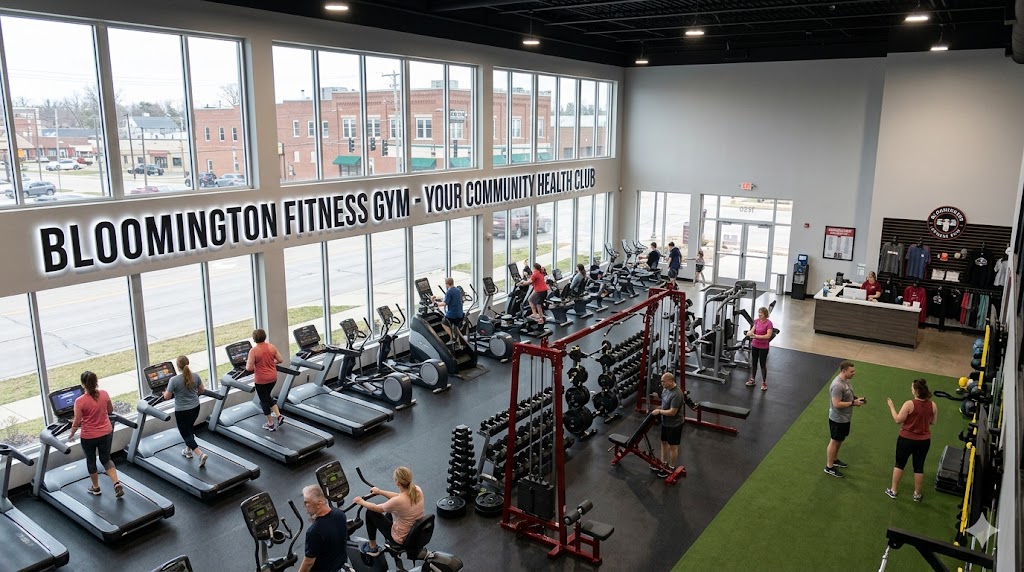
Senior Care in Bloomington
15 assisted living, nursing & memory care facilities in Bloomington.
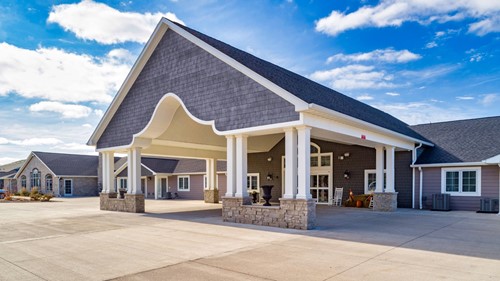 Assisted Living
Villas of Holly Brook and Reflections Bloomington, Illinois...
Bloomington, IL
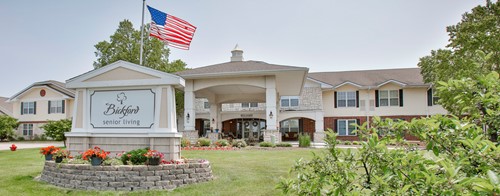 Senior Care
Bickford of Bloomington
Bloomington, IL
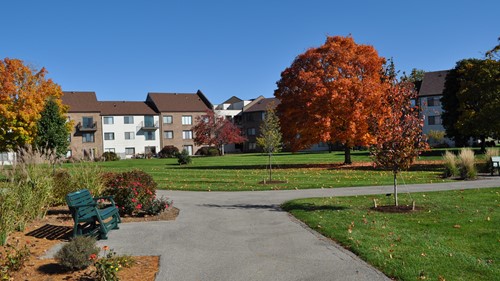 Senior Care
Independent & Assisted Living at Westminster Village
Bloomington, IL
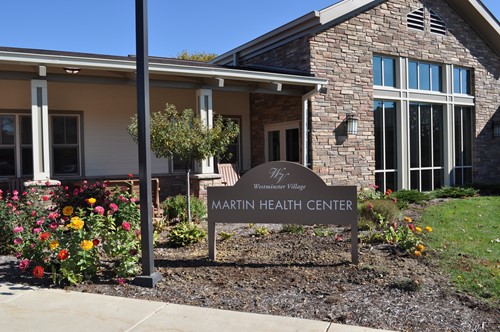 Assisted Living
Westminster Village - Martin Health Center
Bloomington, IL
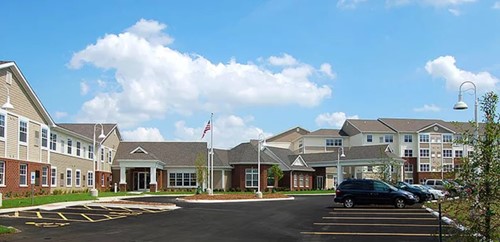 Senior Care
Luther Oaks - Independent and Assisted Living
Bloomington, IL
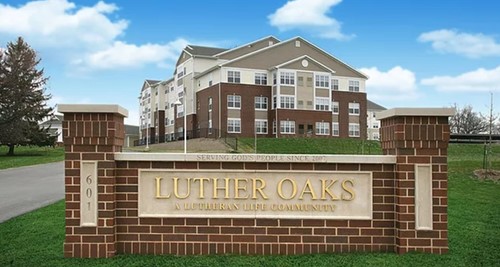 Assisted Living
Luther Oaks
Bloomington, IL
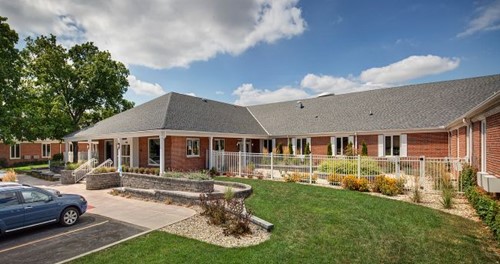 Assisted Living
Heritage Health-Bloomington
Bloomington, IL
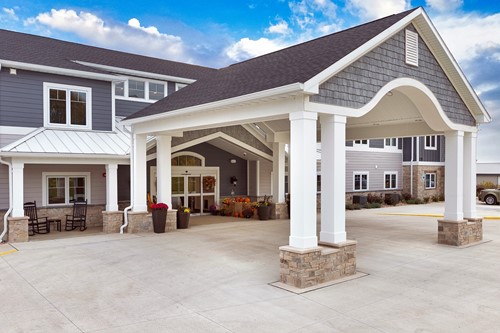 Assisted Living
Villas of Holly Brook and Reflections Bloomington, Illinois...
Bloomington, IL
Carriage Crossing Bloomington
Bloomington, IL
All Ways Caring HomeCare - Bloomington
Bloomington, IL
BrightStar Care - Bloomington & Springfield/Decatur
Bloomington, IL
Osf Hospice - Eastern Region
Bloomington, IL
City Guide
Explore Bloomington
Free Quotes
Get quotes from local pros in Bloomington
Tell us what you need and we’ll pass it to companies that serve your area. It’s free, and there’s no obligation.

Compare Bloomington with any city
See how it stacks up on cost, income, and quality of life.
Start Comparing