



City Profile
Champaign, Illinois
USA · Comprehensive city data and intelligence
Champaign, Illinois, is a vibrant mid-sized city known for its unique blend of bustling academic energy and quiet Midwestern charm. Home to the prestigious University of Illinois Urbana-Champaign, the area serves as a major hub for technological innovation, research, and cultural diversity. Residents enjoy a harmonious mix of urban amenities and suburban tranquility, making it an attractive destination for professionals, families, and students alike.
Illinois, known as the "Prairie State," offers a diverse character ranging from the bustling metropolis of Chicago to expansive farmlands. Its economy is among the largest and most diversified in the U.S., with major industries including advanced manufacturing, agriculture and food processing, life sciences, technology, and transportation and logistics. While the cost of living statewide is generally considered moderate, housing costs in Chicago can be higher than the national average. Illinois experiences all four seasons, with hot, humid summers and cold, snowy winters, and is susceptible to severe storms and tornadoes, particularly in spring. Residents enjoy a lifestyle that balances world-class cultural amenities and career opportunities with challenges such as high taxes and urban congestion.
How this 61/100 was calculated five components, with every reading behind them
| Component | Readings used | Points | Weight | Contributes |
|---|---|---|---|---|
| Safety | Safety score: 68 / 100 | 68.0 | 30% | 20.4 |
| Affordability | Cost of living index (100 = national baseline): 93.0 | 52.5 | 25% | 13.1 |
| Economy & jobs | Median household income: $61,200 Income needed to live here: $52,000 Unemployment rate: 4.1% | 60.4 | 20% | 12.1 |
| Growth | Population growth rate: 0.8% Job growth rate: 1.9% | 51.5 | 15% | 7.7 |
| Business climate assessment | Business climate assessment: 72 / 100 | 72.0 | 10% | 7.2 |
| Overall score | 60.5 | |||
Provenance.
These figures were produced by the research pass recorded as
Tier 2 (reasoned) (q=54, partial — below threshold), last refreshed
16 October 2026.
They are researched estimates drawn from public sources, not a licensed data feed.
Each component is scored against fixed published endpoints, so this number is comparable with any other city and does not move as the dataset grows. Scoring framework 2026.10 — full methodology, weights and accepted ranges.

Featured Events
Happening in Champaign
Featured and sponsored events in Champaign.
Local Directory
Businesses in Champaign
Featured local businesses in Champaign.

Performance
Quality Scores
Expenses
Cost of Living
The cost of living in Champaign remains slightly below the national average, offering residents a favorable economic climate compared to major metropolitan areas. Housing costs, utilities, and grocery prices are generally reasonable, though properties directly adjacent to the campus tend to command higher rental rates. Overall, the city provides an accessible economic entry point for young professionals and families looking to stretch their budgets without sacrificing lifestyle quality.
Income
Salary Insights
Champaign's economy is anchored by higher education, healthcare, and a rapidly expanding technology sector often referred to as the 'Silicon Prairie.' Major employers like the University of Illinois, Carle Foundation Hospital, and various ag-tech startups drive robust employment opportunities and innovation. The local job market benefits from a steady influx of skilled graduates, fostering a collaborative entrepreneurial ecosystem and resilient remote work culture.
The average salary in Champaign is $64,000 per year. You would need approximately $52,000 to live comfortably.
Employment
Top Industries
Weather
Climate
Mobility
Transport
Getting around Champaign is largely facilitated by automobiles, though the Champaign-Urbana Mass Transit District (MTD) provides an exceptionally robust and award-winning bus network. Walkability is high in the downtown core and campus areas, while suburban neighborhoods rely more heavily on personal vehicles. The city is also easily accessible via major highways and an regional airport connecting to Chicago and Dallas.

At a Glance
Pros & Cons
Advantages
Drawbacks
Head to Head
Compare Champaign
Community Q&A
Questions about Champaign
What people ask about living in and moving to Champaign, Illinois.
How does the cost of living in Champaign compare to the national average?
Champaign’s cost‑of‑living index is 93, meaning it is about 7 % cheaper than the national average of 100. Everyday expenses such as groceries, utilities, and transportation tend to be lower, while housing costs are also modest. With an average rent of $1,250 per month, you’ll likely spend less on rent than in many larger metros. Your salary expectations should also be considered; the average yearly income in Champaig...
What is the typical rent for a one‑bedroom apartment in Champaign?
The average rent across Champaign is $1,250 per month, which includes a mix of one‑bedroom apartments, studios, and larger units. Neighborhoods closer to the university and downtown tend to be on the higher end of that average, while outlying areas may be lower. When searching, use regional rental listings or the city’s housing portal to filter by size, price range, and proximity to amenities. Keep in mind that utili...
What are the main industries hiring in Champaign?
Champaign’s economy is anchored by higher education, research, and technology firms, as well as healthcare and manufacturing. The presence of a major university drives demand for faculty, staff, and research positions, while tech startups and software companies often cluster around campus. Healthcare providers and related services also employ a sizable workforce. For current openings, check the city’s employment reso...
How are the public schools rated in Champaign?
Public schools in Champaign are administered by the local school district, which publishes performance data on its website, including test scores, graduation rates, and student‑teacher ratios. Overall, the district’s schools perform around the state average, with some elementary and middle schools receiving higher ratings for academic achievement and extracurricular programs. You can review school report cards on the...
Is Champaign a safe place to live?
Champaign has a safety score of 68 out of 100, indicating a moderate level of safety relative to other U.S. cities. Crime tends to be concentrated in specific neighborhoods, while many residential areas experience low rates of violent crime. The city’s police department publishes annual crime statistics on its website, which can help you compare neighborhoods. Additionally, local community watch groups and neighborho...
What public transportation options are available in Champaign?
Champaign is served by a city transit authority that operates bus routes covering the downtown core, university campus, and surrounding residential neighborhoods. Buses run on regular schedules, with more frequent service during peak commuting hours. The system also offers reduced‑fare passes for students and seniors. For trips beyond the city, regional rail and intercity bus services have stations nearby. You can vi...
Where can I find hospitals or clinics in Champaign?
The city hosts a major medical center that includes a hospital, emergency department, and a network of outpatient clinics. In addition, there are several community health centers and specialty practices spread throughout the city. The medical center’s website lists locations, services offered, and how to schedule appointments. For urgent care, look for clinics that advertise extended hours and walk‑in availability. I...
What are the top free or low‑cost activities in Champaign?
Champaign offers a variety of free or inexpensive attractions. The city maintains several parks with walking trails, sports fields, and picnic areas that are open year‑round. Seasonal festivals, farmers’ markets, and outdoor concerts are often hosted on public grounds at little or no cost. The university’s cultural venues, such as galleries and lecture series, frequently welcome the public for free. You can find even...
What should I know about utilities and services when moving to Champaign?
When you move into a Champaign residence, you’ll need to set up accounts for electricity, water, natural gas (if applicable), and internet/phone. The city’s public works department provides information on the primary utility providers and how to start service, often allowing online enrollment. Many apartments include water in the rent, but it’s best to confirm with the landlord. Internet service is offered by several...
What’s the overall vibe of living in Champaign?
Champaign blends a college‑town atmosphere with a close‑knit Midwestern community. The presence of a large university brings a youthful energy, frequent cultural events, and diverse dining options, while the surrounding neighborhoods offer quieter, family‑friendly streets. Residents often cite a strong sense of community, with active neighborhood associations, volunteer opportunities, and local festivals that foster...
Some answers here were drafted as a starting point and may be out of date. Live in Champaign? Add your own.
FAQ
Frequently Asked Questions
Featured Businesses for Sale in Illinois
Explore active acquisition & franchise opportunities featured across Illinois — none listed in Champaign yet@else in Champaign, Illinois.

Senior Care in Champaign
12 assisted living, nursing & memory care facilities in Champaign.
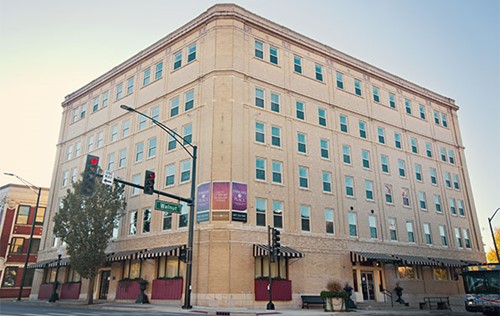 Senior Care
Inman Place Independent 55plus Living
Champaign, IL
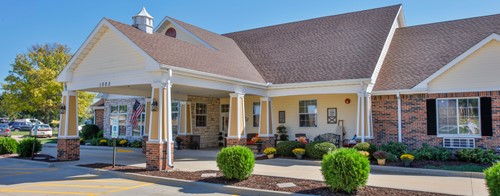 Assisted Living
Bickford of Champaign
Champaign, IL
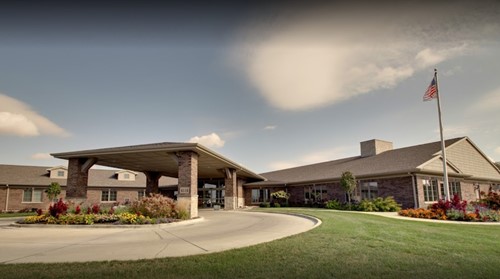 Assisted Living
Evergreen Place Champaign
Champaign, IL
Home Instead - Champaign
Champaign, IL
Transitions Hospice Central Illinois LLC
Champaign, IL
All Ways Caring HomeCare - Champaign
Champaign, IL
Carle Hospice
Champaign, IL
Carle Home Care
Champaign, IL
Illini Heritage Rehab & Health Care
Champaign, IL
Osf Hospice - Urbana
Champaign, IL
Osf Home Health - Urbana
Champaign, IL
Lhc-Illinois Home Health Care
Champaign, IL
Free Quotes
Get quotes from local pros in Champaign
Tell us what you need and we’ll pass it to companies that serve your area. It’s free, and there’s no obligation.

Compare Champaign with any city
See how it stacks up on cost, income, and quality of life.
Start Comparing