



City Profile
Gary, Indiana
USA · Comprehensive city data and intelligence
Gary, Indiana, situated along the southern shore of Lake Michigan in Lake County, was founded in 1906 by the United States Steel Corporation as the home for its massive Gary Works plant. Historically recognized as a quintessential American steel town, the city experienced rapid industrial growth and cultural prominence through the mid-20th century, notably producing legendary musical icons like The Jackson 5. In recent decades, deindustrialization and population decline have shaped a landscape of revitalization efforts, where community stakeholders and municipal leaders actively work to repurpose industrial heritage and attract modern economic investments.
Indiana, known as the "Hoosier State," offers a practical and community-oriented lifestyle with a cost of living generally below the national average. Its economy is diverse, with major industries including advanced manufacturing (automotive, steel, pharmaceuticals, medical devices), agriculture (corn, soybeans, hogs), life sciences, and logistics. The state experiences a humid continental climate, characterized by hot, muggy summers and cold, snowy winters, with spring and fall offering more moderate temperatures. Residents often value a relaxed pace of life, strong community ties, and access to outdoor activities and major metropolitan areas.
How this 42/100 was calculated five components, with every reading behind them
| Component | Readings used | Points | Weight | Contributes |
|---|---|---|---|---|
| Safety | Safety score: 35 / 100 | 35.0 | 30% | 10.5 |
| Affordability | Cost of living index (100 = national baseline): 82.0 | 66.3 | 25% | 16.6 |
| Economy & jobs | Median household income: $37,500 Income needed to live here: $42,000 Unemployment rate: 6.2% | 29.6 | 20% | 5.9 |
| Growth | Population growth rate: no usable reading Job growth rate: 0.5% | 30.0 | 15% | 4.5 |
| Business climate assessment | Business climate assessment: 48 / 100 | 48.0 | 10% | 4.8 |
| Overall score | 42.3 | |||
Provenance.
These figures were produced by the research pass recorded as
Tier 1 (fast) (q=52, partial — below threshold), last refreshed
16 October 2026.
They are researched estimates drawn from public sources, not a licensed data feed.
Each component is scored against fixed published endpoints, so this number is comparable with any other city and does not move as the dataset grows. Scoring framework 2026.10 — full methodology, weights and accepted ranges.

Featured Events
Happening in Gary
Featured and sponsored events in Gary.
Local Directory
Businesses in Gary
Featured local businesses in Gary.

Performance
Quality Scores
Expenses
Cost of Living
The cost of living in Gary is notably lower than the national average, heavily driven by depressed housing prices and economical property taxes relative to other metropolitan areas in the region. Everyday expenses such as groceries, utilities, and transportation remain affordable, aligning with regional trends across Northwest Indiana and the broader Rust Belt. While housing is exceptionally inexpensive compared to national figures, residents must account for utility expenses during cold winter months and potential maintenance costs on older housing stock.
Income
Salary Insights
Gary's economy has historically been anchored by heavy manufacturing, particularly steel production through U.S. Steel, alongside logistics, transportation, and healthcare services. Modern economic development initiatives are focused on diversifying the industrial base, leveraging the city's strategic proximity to Chicago via major interstate highways, rail lines, and the Gary/Chicago International Airport. Employment opportunities increasingly span warehousing, public administration, and regional healthcare networks, though the legacy of manufacturing remains central to the local labor market identity.
The average salary in Gary is $45,000 per year. You would need approximately $42,000 to live comfortably.
Employment
Top Industries
Weather
Climate
Mobility
Transport
Gary serves as a major transportation hub in Northwest Indiana, offering exceptional connectivity via the South Shore Line commuter rail, multiple interstate highways including I-90 and I-80/94, and the Gary/Chicago International Airport. Public transit options include local bus services managed by the Gary Public Transportation Corporation, facilitating movement throughout the city and to neighboring communities. While car ownership is common and convenient for regional travel, the city's grid layout supports moderate walkability in specific commercial corridors and residential pockets.

At a Glance
Pros & Cons
Advantages
Drawbacks
Community Q&A
Questions about Gary
What people ask about living in and moving to Gary, Indiana.
FAQ
Frequently Asked Questions
Senior Care in Gary
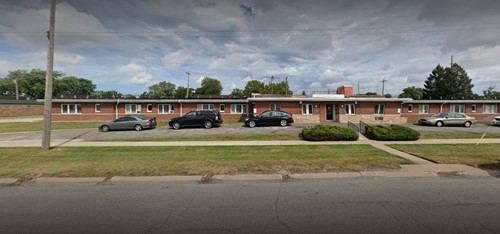
6 assisted living, nursing & memory care facilities in Gary.
 Assisted Living
Simmons Loving Care Health Facility
Gary, IN
Pediatric Infant & Family Personal Care Special
Gary, IN
Home Health Services Of Gary Inc
Gary, IN
Aperion Care Tolleston Park
Gary, IN
Bmo Home Health Care Inc
Gary, IN
South Shore Health & Rehabilitation Center
Gary, IN
Free Quotes
Get quotes from local pros in Gary
Tell us what you need and we’ll pass it to companies that serve your area. It’s free, and there’s no obligation.

Compare Gary with any city
See how it stacks up on cost, income, and quality of life.
Start Comparing