



City Profile
Lafayette, Indiana
USA · Comprehensive city data and intelligence
Lafayette, Indiana, situated along the Wabash River, is a vibrant mid-sized Midwestern city known for its rich industrial heritage and strong ties to neighboring West Lafayette, home of Purdue University. Founded in 1825, the city has evolved from a major regional shipping and railroad hub into a robust modern center for advanced manufacturing, healthcare, and education. Today, Lafayette offers residents a blend of historic charm, particularly in its revitalized downtown architectural districts, alongside modern residential developments and expansive park systems. People are increasingly drawn to the area for its family-friendly atmosphere, strong local economy, and lower cost of living compared to major national metropolitan areas.
Indiana, known as the "Hoosier State," offers a practical and community-oriented lifestyle with a cost of living generally below the national average. Its economy is diverse, with major industries including advanced manufacturing (automotive, steel, pharmaceuticals, medical devices), agriculture (corn, soybeans, hogs), life sciences, and logistics. The state experiences a humid continental climate, characterized by hot, muggy summers and cold, snowy winters, with spring and fall offering more moderate temperatures. Residents often value a relaxed pace of life, strong community ties, and access to outdoor activities and major metropolitan areas.
How this 65/100 was calculated five components, with every reading behind them
| Component | Readings used | Points | Weight | Contributes |
|---|---|---|---|---|
| Safety | Safety score: 70 / 100 | 70.0 | 30% | 21.0 |
| Affordability | Cost of living index (100 = national baseline): 89.0 | 57.5 | 25% | 14.4 |
| Economy & jobs | Median household income: $63,500 Income needed to live here: $48,000 Unemployment rate: 3.8% | 71.4 | 20% | 14.3 |
| Growth | Population growth rate: 1.1% Job growth rate: 1.9% | 55.3 | 15% | 8.3 |
| Business climate assessment | Business climate assessment: 70 / 100 | 70.0 | 10% | 7.0 |
| Overall score | 64.9 | |||
Provenance.
These figures were produced by the research pass recorded as
Tier 1 (fast) (q=52, partial — below threshold), last refreshed
16 October 2026.
They are researched estimates drawn from public sources, not a licensed data feed.
Each component is scored against fixed published endpoints, so this number is comparable with any other city and does not move as the dataset grows. Scoring framework 2026.10 — full methodology, weights and accepted ranges.

Featured Events
Happening in Lafayette
Featured and sponsored events in Lafayette.
Local Directory
Businesses in Lafayette
Featured local businesses in Lafayette.

Performance
Quality Scores
Expenses
Cost of Living
The cost of living in Lafayette remains notably lower than the national average, making it an attractive destination for families, young professionals, and retirees alike. Housing costs, including both median home purchase prices and average rental rates, are particularly favorable compared to coastal markets and even larger Indiana hubs like Indianapolis. Everyday expenses such as groceries, utilities, and transportation consistently track below national norms, allowing residents to stretch their household incomes further. While local property taxes and state tax structures fluctuate, the overall economic environment ensures high purchasing power for standard goods and services.
Income
Salary Insights
Lafayette boasts a diversified and resilient job market anchored by advanced manufacturing, automotive production, healthcare, and education. Major industrial employers like Subaru of Indiana Automotive and Caterpillar provide a strong manufacturing backbone, while the proximity to Purdue University injects continuous innovation and a steady stream of skilled graduates into the local workforce. The region has seen steady growth in sectors such as technology, engineering, and logistics, bolstered by proactive local economic development initiatives. Additionally, the rise of remote work has attracted professionals looking for affordable housing paired with high-speed fiber internet and community amenities.
The average salary in Lafayette is $61,000 per year. You would need approximately $48,000 to live comfortably.
Employment
Top Industries
Weather
Climate
Mobility
Transport
Getting around Lafayette is primarily car-dependent, though the city is actively investing in multi-modal infrastructure and pedestrian-friendly pathways. Public transportation is serviced by CityBus, which provides comprehensive routes connecting Lafayette and West Lafayette, including dedicated campus loops. The average commute time remains manageable at under twenty minutes, far below the national average. For regional and national travel, the Purdue University Airport and proximity to major interstate highways like I-65 ensure convenient access to Indianapolis and Chicago.

At a Glance
Pros & Cons
Advantages
Drawbacks
Head to Head
Compare Lafayette
Community Q&A
Questions about Lafayette
What people ask about living in and moving to Lafayette, Indiana.
FAQ
Frequently Asked Questions
Businesses for Sale in Lafayette
Explore active acquisition & franchise opportunities .

Senior Care in Lafayette
17 assisted living, nursing & memory care facilities in Lafayette.
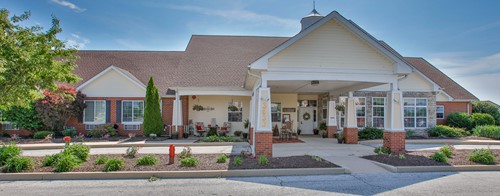 Assisted Living
Bickford of Lafayette
Lafayette, IN
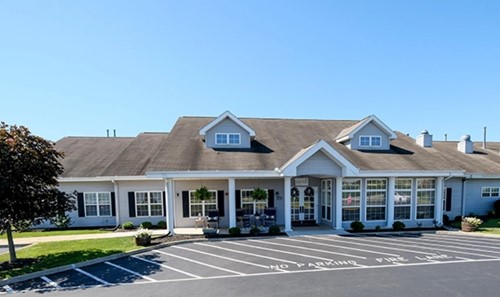 Assisted Living
Digby Place
Lafayette, IN
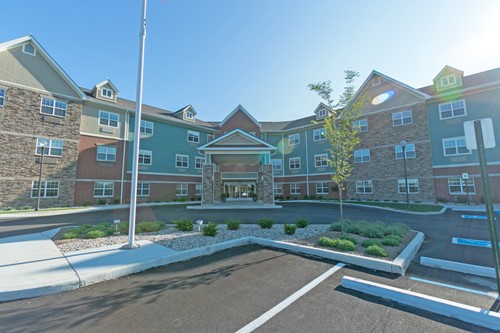 Assisted Living
Glasswater Creek of Lafayette
Lafayette, IN
 Assisted Living
Creasy Springs Assisted Living
Lafayette, IN
 Assisted Living
Creasy Springs Health Campus
Lafayette, IN
 Senior Care
Aster Place
Lafayette, IN
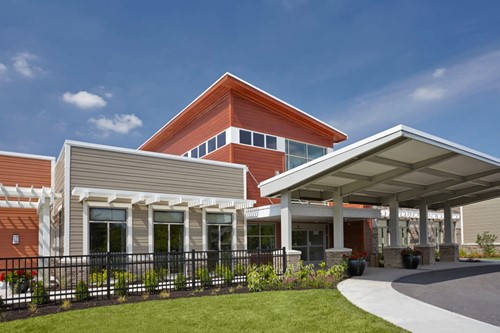 Assisted Living
The Springs at Lafayette Assisted Living
Lafayette, IN
 Assisted Living
The Springs At Lafayette
Lafayette, IN
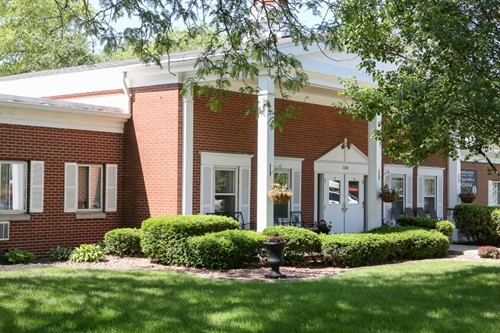 Assisted Living
St Mary Healthcare Center
Lafayette, IN
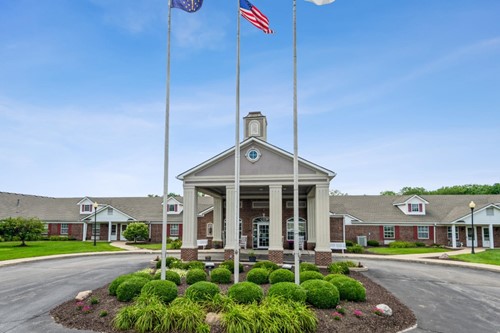 Senior Care
Five Star Residences of Lafayette
Lafayette, IN
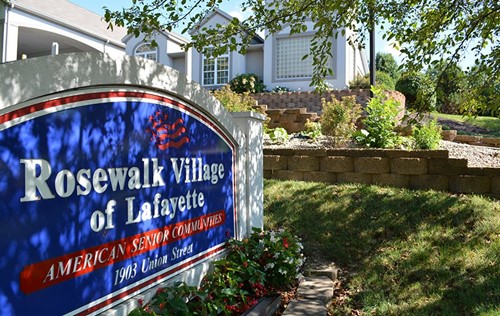 Assisted Living
Rosewalk Village At Lafayette
Lafayette, IN
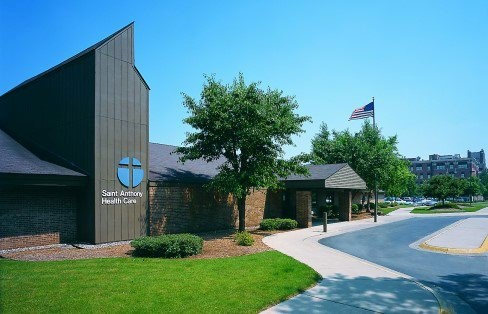 Assisted Living
Saint Anthony Rehab And Nursing Center
Lafayette, IN
Free Quotes
Get quotes from local pros in Lafayette
Tell us what you need and we’ll pass it to companies that serve your area. It’s free, and there’s no obligation.

Compare Lafayette with any city
See how it stacks up on cost, income, and quality of life.
Start Comparing